బతుకమ్మకు ముందు బొడ్డెమ్మ.. కనుమరుగవుతున్న తెలంగాణ జానపద సంస్కృతికి ముప్పు
బొడ్డెమ్మా బొడ్డెమ్మా.. బిడ్డలు ఎందరే..
బతుకమ్మ సంబురాలకు ముందు చిన్నారుల సందడితో మొదలయ్యే బొడ్డెమ్మ పండుగ.. మారుతున్న కాలంలో కనుమరుగయ్యే దశలో
తెలంగాణ వెబ్ డెస్క్:
తీరొక్క పూలతో తొమ్మిది రోజుల పాటు ప్రకృతితో మమేకమై, పూల జాతరగా మారే బతుకమ్మ పండుగ కోసం తెలంగాణ ఆడపడుచులు ఎంతో ఆసక్తిగా ఎదురుచూస్తుంటారు. తంగేడు, గునుగు, కట్లపూలు, గన్నేరు, మందారం, గుమ్మడి తదితర రకరకాల పూలతో పేర్చే బతుకమ్మ తెలంగాణ సంస్కృతికి ప్రతీకగా నిలిచింది. అయితే బతుకమ్మ పండుగకు ముందు జరిగే మరో ముఖ్యమైన సంప్రదాయం ‘బొడ్డెమ్మ పండుగ’ క్రమంగా కనుమరుగవుతున్న పరిస్థితి ఆందోళన కలిగిస్తోంది.
బతుకమ్మకు ముందు బొడ్డెమ్మ సంబురాలు నిర్వహించడం తెలంగాణలోని అనేక ప్రాంతాల్లో తరతరాలుగా వస్తున్న ఆచారం. ముఖ్యంగా చిన్నారులు, కన్నెపిల్లలు, యువతులు కలిసి బొడ్డెమ్మను తయారు చేసి, అలంకరించి, దాని చుట్టూ తిరుగుతూ పాటలు పాడుతూ కోలాటాలు ఆడటం ఈ పండుగ ప్రత్యేకత. ఒకప్పుడు ప్రతి గ్రామంలోనూ కనిపించిన ఈ బొడ్డెమ్మ సంస్కృతి ఇప్పుడు కొన్ని ప్రాంతాలకే పరిమితమవుతోంది.
బొడ్డెమ్మతోనే బతుకమ్మకు శ్రీకారం
పెత్ర అమావాస్య నుంచి ఎంగిలిపూల బతుకమ్మ ప్రారంభమయ్యే ముందు కొన్ని ప్రాంతాల్లో బొడ్డెమ్మ పండుగ మొదలవుతుంది. రాజన్న సిరిసిల్ల జిల్లాలోని కొన్ని ప్రాంతాల్లో బతుకమ్మకు తొమ్మిది రోజుల ముందు, మరికొన్ని ప్రాంతాల్లో ఏడు లేదా ఐదు రోజుల ముందు నుంచే బొడ్డెమ్మ ఆటలు ప్రారంభమవుతాయి.
సాయంత్రం వేళ చిన్నారులు, యువతులు ఇంటి వద్ద బొడ్డెమ్మను ఏర్పాటు చేసి పూజలు చేస్తారు. బొడ్డెమ్మ చుట్టూ తిరుగుతూ సంప్రదాయ పాటలు పాడుతారు. కోలాటాలు ఆడుతూ ఉత్సాహంగా గడుపుతారు. ఇలా బొడ్డెమ్మ పండుగ ముగిసిన తర్వాత బతుకమ్మ సంబురాలు ప్రారంభమవుతాయి.
ఎందుకు కనుమరుగవుతోంది?
తెలంగాణ ప్రభుత్వం బతుకమ్మ పండుగకు అధికారికంగా ప్రాధాన్యం కల్పించినప్పటికీ, బొడ్డెమ్మ పండుగకు అదే స్థాయిలో గుర్తింపు లేకపోవడం వల్ల ఈ సంప్రదాయం క్రమంగా చిన్నబోతుందనే అభిప్రాయాలు వ్యక్తమవుతున్నాయి.
పట్టణీకరణ, ఆధునిక జీవన విధానం, ఉమ్మడి కుటుంబాల సంఖ్య తగ్గడం, గ్రామీణ సంప్రదాయాలకు యువత దూరమవడం వంటి కారణాలతో బొడ్డెమ్మ సంస్కృతి భవిష్యత్ తరాలకు చేరడం కష్టంగా మారుతోంది.
ఇప్పటికైనా బొడ్డెమ్మ పండుగకు ప్రత్యేక గుర్తింపు, ప్రభుత్వ ప్రోత్సాహం, పాఠశాలలు–కళాశాలల్లో అవగాహన కార్యక్రమాలు, జానపద కళాకారులకు ప్రోత్సాహం కల్పిస్తే ఈ అరుదైన తెలంగాణ సంప్రదాయాన్ని పరిరక్షించవచ్చని సాంస్కృతిక వర్గాలు అభిప్రాయపడుతున్నాయి.
బొడ్డెమ్మ అంటే ఏమిటి?
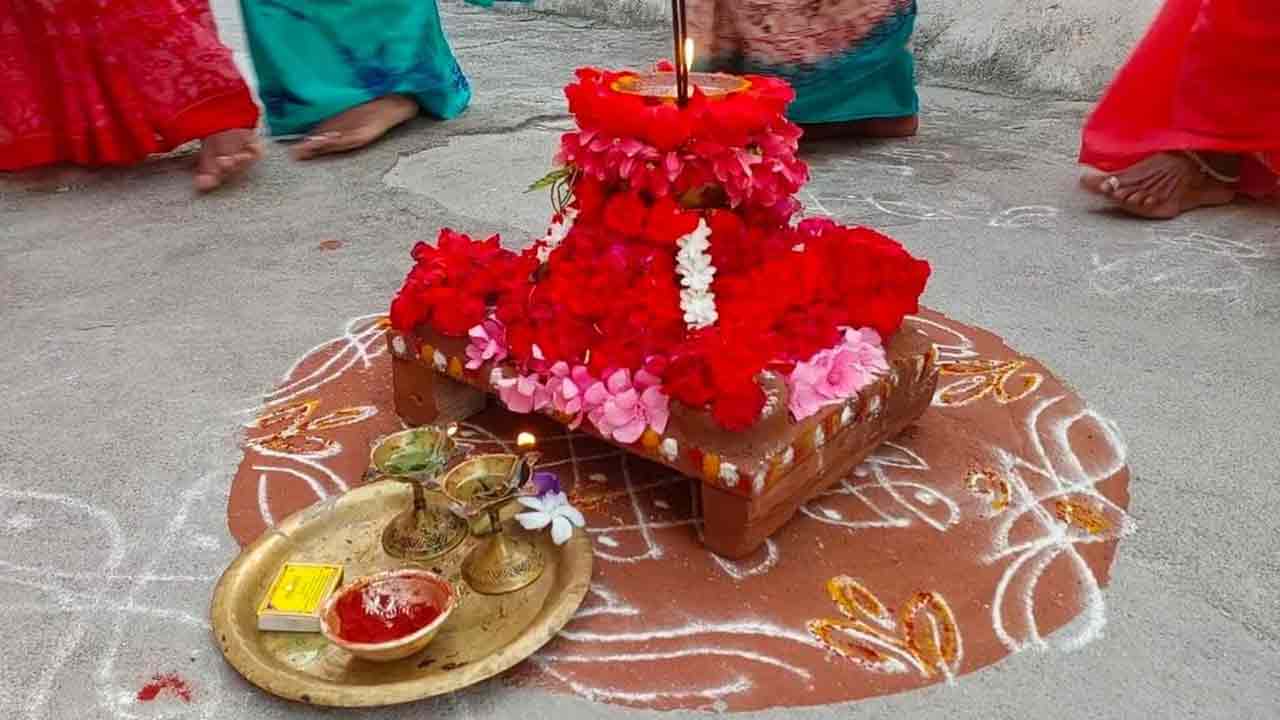
బొడ్డెమ్మ అనే పదాన్ని అమ్మవారి నామాలలో ఒకటిగా భావిస్తారు. పుట్టమన్ను లేదా ఎర్రమట్టితో చిన్నారులు, కన్నెపిల్లలు కలిసి బొడ్డెమ్మను తయారు చేస్తారు. పీఠంపై మట్టితో గుండ్రంగా, అంతస్తులుగా ఏర్పాటు చేసి అందంగా అలంకరిస్తారు.
ప్రాంతీయ ఆచారాలను బట్టి బొడ్డెమ్మను వివిధ రకాలుగా తయారు చేస్తారు. ప్రధానంగా పీఠ బొడ్డెమ్మ, గుంట బొడ్డెమ్మ, పందిరి బొడ్డెమ్మ, బాయిబొడ్డెమ్మ, అంతరాల బొడ్డెమ్మ వంటి రకాలు ఉన్నట్లు స్థానిక సంప్రదాయాల్లో చెబుతారు.
బీరపువ్వు, కట్లపూలు, గన్నేరు, నందివర్ధనం వంటి పూలతో బొడ్డెమ్మను అలంకరిస్తారు. ప్రతిరోజూ ఇంటిని శుభ్రం చేసి, ముగ్గులు వేసి, బొడ్డెమ్మకు అలంకరణ చేస్తారు.
తొమ్మిది రోజుల పాటు బొడ్డెమ్మ సందడి
బొడ్డెమ్మను ప్రతిరోజూ సాయంత్రం అలంకరించి దూపదీప నైవేద్యాలతో పూజిస్తారు. అనంతరం బొడ్డెమ్మ చుట్టూ తిరుగుతూ పాటలు పాడుతూ కోలాటాలు ఆడుతారు.
బొడ్డెమ్మ పాటలు ఈ పండుగకు ప్రధాన ఆకర్షణ. ముఖ్యంగా చందమామను ప్రస్తావిస్తూ, పిల్లల భవిష్యత్తు, కుటుంబ సౌభాగ్యం, పంటలు, సంపద వంటి అంశాలతో కూడిన జానపద గేయాలు పాడుతారు.
చివరి రోజు బొడ్డెమ్మను ఊరేగింపుగా తీసుకెళ్లి చెరువులు, వాగులు లేదా స్థానికంగా నిర్ణయించిన నీటి వనరుల్లో నిమజ్జనం చేస్తారు.
“బొడ్డెమ్మా బొడ్డెమ్మా.. బిడ్డలు ఎందరే..”
బొడ్డెమ్మ ఆటల్లో తరతరాలుగా వినిపించే ప్రసిద్ధ జానపద గీతాల్లో ఇది ఒకటి.
“బొడ్డెమ్మ బొడ్డెమ్మ కోల్..
నీ బిడ్డ పేరేమీ కోల్
నీ బిడ్డ పేరు నీలగౌరు కోల్..
నిచ్చమల్ల చెట్టేసి కోల్…”
అంటూ చిన్నారులు, యువతులు పాటలు పాడుతూ బొడ్డెమ్మ చుట్టూ తిరుగుతారు.
నిచ్చమల్ల చెట్టుకు నీళ్లు పోయడం, కాయలు–పిందెలు కాయడం, వాటిని సేకరించడం, పండ్లను బండ్లలో వేసి పంపించడం, శ్రీగౌరికి నగలు సమర్పించడం వంటి ప్రతీకలతో ఈ జానపద గేయం సాగుతుంది.
ఈ పాటలో గ్రామీణ జీవితం, ప్రకృతి, వ్యవసాయం, సంపద, కుటుంబ సౌభాగ్యం వంటి అనేక అంశాలు ప్రతిబింబిస్తాయి.
బొడ్డెమ్మ తర్వాత బతుకమ్మ
బొడ్డెమ్మ పండుగ ముగిసిన తర్వాత బతుకమ్మ సంబురాలు ప్రారంభమవుతాయి. పెత్ర అమావాస్య తర్వాత ఎంగిలిపూల బతుకమ్మతో తొమ్మిది రోజుల బతుకమ్మ వేడుకలు మొదలవుతాయి.
బతుకమ్మ 2026లో తొమ్మిది రోజుల పండుగ
ఈసారి బతుకమ్మ పండుగ అక్టోబర్ 10 నుంచి ప్రారంభం కానుంది. ఒక్కో రోజుకు ప్రత్యేకమైన పేరు, ప్రత్యేకమైన నైవేద్యం ఉంటుంది.
అక్టోబర్ 10 – ఎంగిలిపూల బతుకమ్మ:
నువ్వులు, బెల్లం, మొక్కజొన్న పేలాలతో నైవేద్యం సమర్పిస్తారు.
అక్టోబర్ 11 – అటుకుల బతుకమ్మ:
సప్పిడి పప్పు, బెల్లం, అటుకులతో ప్రసాదం తయారు చేస్తారు.
అక్టోబర్ 12 – ముద్దపప్పు బతుకమ్మ:
ముద్దపప్పు, బెల్లం, పాలను నైవేద్యంగా సమర్పిస్తారు.
అక్టోబర్ 13 – నానబియ్యం బతుకమ్మ:
నానబెట్టిన బియ్యం, బియ్యంపిండి, పాలు, బెల్లంతో ప్రసాదం చేస్తారు.
అక్టోబర్ 14 – అట్ల బతుకమ్మ:
బియ్యం నానబెట్టి దంచిన పిండితో అట్లు తయారు చేస్తారు.
అక్టోబర్ 15 – అలిగిన బతుకమ్మ:
కొన్ని ప్రాంతాల్లో ఈ రోజున బతుకమ్మను పేర్చరు. బతుకమ్మ అలిగిందనే విశ్వాసంతో వేడుకలకు విరామం ఇస్తారు.
అక్టోబర్ 16 – వేపకాయల బతుకమ్మ:
సకినాల పిండితో వేపకాయల ఆకారంలో తయారు చేసి నూనెలో వేయించి నైవేద్యంగా సమర్పిస్తారు.
అక్టోబర్ 17 – వెన్నముద్దల బతుకమ్మ:
నువ్వులు, వెన్న, బెల్లం, నెయ్యితో ఫలహారం తయారు చేస్తారు.
అక్టోబర్ 18 – సద్దుల బతుకమ్మ:
తొమ్మిది రోజుల బతుకమ్మ వేడుకల్లో చివరి రోజు. పెద్ద బతుకమ్మను పేర్చి, వివిధ రకాల పిండి వంటలు, సద్దులతో నైవేద్యాలు సమర్పించి ఉత్సాహంగా వేడుకలు నిర్వహిస్తారు.
ప్రకృతితో మమేకమయ్యే పండుగ బతుకమ్మ
బతుకమ్మ పండుగ అంటే కేవలం మహిళల పండుగ మాత్రమే కాదు.. ప్రకృతితో మానవ జీవనానికి ఉన్న అనుబంధాన్ని చాటే పండుగ.
బతుకమ్మ సమయంలో తెలంగాణ పల్లెల్లో ప్రకృతి సరికొత్త అందాలను సంతరించుకుంటుంది. పల్లెబాటలకు ఇరువైపులా పసుపు రంగులో తంగేడు పూలు కనిపిస్తాయి. కట్లపూలు, గునుగు పూలు, గన్నేరు, మందారం, గుమ్మడి వంటి పూలతో తెలంగాణ పల్లెలు కళకళలాడుతాయి.
ఆడపడుచులు పుట్టింటికి చేరుకోవడం, కుటుంబ సభ్యులంతా కలిసి బతుకమ్మను పేర్చడం, మగవారు పూలను సేకరించి తీసుకురావడం.. ఇలా బతుకమ్మ పండుగ కుటుంబ బంధాలను మరింత బలోపేతం చేసే వేడుకగా నిలుస్తోంది.
బతుకమ్మ పాటల్లో తెలంగాణ జీవన సంస్కృతి
బతుకమ్మ చుట్టూ తిరుగుతూ మహిళలు పాడే పాటల్లో తెలంగాణ గ్రామీణ జీవన విధానం, ప్రకృతి, వ్యవసాయం, కుటుంబ సంబంధాలు, సామాజిక జీవనం ప్రతిబింబిస్తాయి.
“బతుకమ్మ బతుకమ్మ ఉయ్యాలో..
బంగారు గౌరమ్మ ఉయ్యాలో..
పడిపంటలను ఉయ్యాలో..
సల్లంగా సూడమ్మ ఉయ్యాలో…”
అంటూ మహిళలు గౌరీదేవిని కీర్తిస్తారు.
చివరగా బతుకమ్మను చెరువు లేదా వాగు వద్దకు తీసుకెళ్లి నిమజ్జనం చేస్తారు. “నిదురబో బొడ్డెమ్మ.. నిద్రబోవమ్మా..” వంటి పాటలతో బొడ్డెమ్మ, బతుకమ్మ సంప్రదాయాలకు వీడ్కోలు పలుకుతారు.
బొడ్డెమ్మను కాపాడుకోవాల్సిన బాధ్యత
బతుకమ్మకు ప్రపంచవ్యాప్తంగా గుర్తింపు పెరుగుతున్న సమయంలో బొడ్డెమ్మ మాత్రం కనుమరుగయ్యే దశకు చేరుకోవడం ఆందోళనకరం. తెలంగాణ జానపద సంస్కృతిలో బొడ్డెమ్మకు ఉన్న ప్రత్యేకతను గుర్తించి, దీనిని కూడా సంరక్షించాల్సిన అవసరం ఉంది.
బొడ్డెమ్మ పండుగను పాఠశాల స్థాయిలో పరిచయం చేయడం, గ్రామాల్లో అధికారికంగా నిర్వహించడం, జానపద కళాకారులను ప్రోత్సహించడం, బొడ్డెమ్మ పాటలను డిజిటల్ రూపంలో భద్రపరచడం, పరిశోధనలు చేయడం వంటి చర్యలు చేపట్టాలి.
బొడ్డెమ్మను కాపాడితేనే బతుకమ్మకు ముందు తరతరాలుగా వస్తున్న తెలంగాణ జానపద వారసత్వాన్ని కాపాడినట్టవుతుంది.
బతుకమ్మ పూలతో ప్రకృతిని పూజించే పండుగ అయితే..
బొడ్డెమ్మ చిన్నారుల పాటల్లో, ఆటల్లో, మట్టిలో, పూలలో జీవించే తెలంగాణ జానపద సంస్కృతికి ప్రతిరూపం.
అందుకే “బొడ్డెమ్మా బొడ్డెమ్మా.. బిడ్డలు ఎందరే..” అనే పాట రాబోయే తరాల్లోనూ వినిపించాలంటే బొడ్డెమ్మ పండుగను గుర్తించి, ఆదరించి, సంరక్షించాల్సిన అవసరం ఉంది.
To get more interesting news, click the link below.
Boddemma Festival Telangana’s Traditional Celebration Before Bathukamma Faces the Risk of Disappearing
Boddemma Festival in Telangana: The Folk Tradition That Comes Before Bathukamma
Hyderabad: Telangana is preparing for the colourful Bathukamma festival, a nine-day celebration closely associated with flowers, nature, women, family traditions and the cultural identity of the state. But before the vibrant Bathukamma celebrations begin, another lesser-known and equally significant Telangana tradition takes centre stage — the Boddemma festival.
The Boddemma festival is a traditional folk celebration in which children, young girls and women come together to create and worship a clay representation of Boddemma, decorate it with seasonal flowers, sing traditional folk songs and perform Kolatam around it.
While Bathukamma festival has gained widespread recognition in Telangana and beyond, the Boddemma tradition is gradually disappearing from several parts of the state. In Rajanna Sircilla district, the festival is still observed in some villages, but the number of communities following the traditional practice is reportedly declining.
The gradual disappearance of the Boddemma festival has raised concerns among cultural enthusiasts who believe that preserving Boddemma is essential for protecting Telangana’s traditional folk heritage.
What Is the Boddemma Festival?
Boddemma is traditionally regarded as one of the names associated with the Goddess. As part of the Boddemma festival, children and unmarried girls prepare Boddemma using clay or red soil.
The clay structure is traditionally placed on a platform and decorated with flowers. Depending on the region and local customs, Boddemma is prepared in different forms.
Traditional accounts identify five forms of Boddemma:
- Peeta Boddemma
- Gunta Boddemma
- Pandiri Boddemma
- Baayi Boddemma
- Antaraala Boddemma
The Boddemma is beautifully decorated with seasonal flowers such as Beeram flowers, Katla flowers, Nerium, Nandivardhanam and other locally available flowers.
This makes the Boddemma festival closely connected with nature, seasonal flowers and the agricultural life of rural Telangana.
Boddemma Comes Before Bathukamma
One of the most important aspects of the Boddemma festival is its connection with Bathukamma.
In several parts of Telangana, Boddemma celebrations begin five, seven or even nine days before the Bathukamma festival. However, the exact number of days varies from one region to another.
In some areas of Rajanna Sircilla district, Boddemma celebrations begin nine days before Bathukamma. In other areas, the celebrations begin seven or five days before.
Every evening, children and young women gather around Boddemma, perform traditional dances, sing folk songs and offer prayers.
The festival traditionally continues for several days before Boddemma is immersed in a nearby pond, stream or other water body.
“Boddemma Boddemma… Biddalu Endare”
The traditional Boddemma songs are one of the most important features of the festival.
Children traditionally sing:
“Boddemma Boddemma Kol…
Nee Bidda Peremee Kol…”
These folk songs are not merely entertainment. They reflect the rural lifestyle, agricultural practices, family relationships, nature and traditional aspirations of Telangana communities.
References to trees, flowers, fruits, crops, ornaments, prosperity and Goddess Gowri can be found in the traditional Boddemma songs.
The songs have traditionally been passed from one generation to another through oral tradition.
Why Is Boddemma Culture Disappearing?
Despite its cultural importance, the Boddemma festival is gradually losing prominence in several parts of Telangana.
Cultural observers point to several reasons:
- Rapid urbanisation
- Changing lifestyles
- Decline of joint families
- Reduced participation of children in traditional village festivals
- Lack of awareness among younger generations
- Limited institutional recognition
- Weak documentation of Boddemma songs and rituals
While Bathukamma festival has received considerable public recognition and large-scale promotion, the Boddemma festival has not received the same level of visibility.
As a result, the traditional knowledge associated with Boddemma — including its different forms, songs, rituals and methods of preparation — could gradually disappear.
Rajanna Sircilla Keeps the Tradition Alive
Rajanna Sircilla district continues to preserve the Boddemma tradition in several areas.
Despite changing lifestyles, communities in some parts of the district continue to prepare Boddemma, decorate it with flowers and conduct traditional celebrations.
On Monday, Boddemma celebrations began in Sircilla and some other parts of Telangana, with local communities continuing the traditional practices.
Such celebrations demonstrate that the Boddemma festival still has a place in Telangana’s cultural landscape.
Boddemma and the Nine-Day Bathukamma Festival
Following the Boddemma celebrations, women across Telangana begin preparing for the Bathukamma festival.
Bathukamma is celebrated for nine days with different forms of the festival and different traditional offerings.
The 2026 Bathukamma celebrations are scheduled to begin on October 10, beginning with Engili Poola Bathukamma.
The traditional sequence includes:
October 10 – Engili Poola Bathukamma
Sesame seeds, jaggery and puffed corn are traditionally offered as prasadam.
October 11 – Atukula Bathukamma
Flattened rice, jaggery and lentils form part of the traditional offering.
October 12 – Muddapappu Bathukamma
Muddapappu, jaggery and milk are traditionally prepared.
October 13 – Nanabiyyam Bathukamma
Soaked rice and rice flour preparations mixed with milk and jaggery are offered.
October 14 – Atla Bathukamma
Rice-based pancakes or atlu are traditionally prepared as offerings.
October 15 – Aligina Bathukamma
In some communities, Bathukamma is not prepared or celebrated traditionally on this day, based on the belief that Bathukamma has “become angry.”
October 16 – Vepakayala Bathukamma
Rice-flour preparations shaped like neem fruits are deep-fried and offered as prasadam.
October 17 – Vennamuddala Bathukamma
Sesame seeds, butter, jaggery and ghee are used to prepare the traditional offering.
October 18 – Saddula Bathukamma
The final and grand celebration is Saddula Bathukamma. Families prepare the large Bathukamma, offer different traditional foods and participate in community celebrations before immersing Bathukamma in water.
Bathukamma: Telangana’s Festival of Flowers and Nature
The Bathukamma festival is widely regarded as an important symbol of Telangana culture.
During the festival season, Telangana’s villages and towns become colourful with seasonal flowers.
Tangedu flowers, Gunugu flowers, Katla flowers, marigold-like seasonal flowers, Nerium, hibiscus and other flowers become part of the colourful celebrations.
Women return to their parental homes, families gather together and communities celebrate Bathukamma with traditional songs and dances.
Men also play an important role by collecting flowers from fields and open spaces and bringing them home for the preparation of Bathukamma.
Thus, Bathukamma festival is not only a women’s celebration but also a community festival that connects families, nature and rural traditions.
The Cultural Connection Between Boddemma and Bathukamma
The relationship between Boddemma and Bathukamma is particularly important.
Boddemma comes before Bathukamma in several traditional practices. Children and young girls take part in Boddemma celebrations, while women take centre stage during the nine-day Bathukamma celebrations.
Together, the two traditions represent different dimensions of Telangana’s cultural heritage.
Boddemma represents clay, children, folk songs and local traditions, while Bathukamma represents flowers, women, nature and community celebration.
Both traditions are deeply connected with the seasonal cycle and the cultural life of Telangana.
Traditional Boddemma Songs Preserve Rural Memory
The traditional Boddemma songs contain references to trees, fruits, crops, prosperity, ornaments and Goddess Gowri.
One traditional song begins with:
“Boddemma Boddemma Kol…
Nee Bidda Peremee Kol…”
The song continues with references to planting a jasmine tree, watering it, harvesting fruits and presenting wealth and ornaments to Gowri.
Such songs serve as oral records of Telangana’s rural social and cultural history.
With fewer children learning these songs today, there is a growing need to document and digitally preserve them.
Why Boddemma Needs Official Recognition
Cultural activists and heritage enthusiasts argue that the Boddemma festival deserves greater recognition and promotion.
Possible measures include:
- Documenting traditional Boddemma songs.
- Recording different regional forms of Boddemma.
- Introducing Boddemma cultural programmes in schools.
- Encouraging village-level Boddemma celebrations.
- Supporting folk artists who preserve Boddemma songs.
- Creating digital archives of Boddemma traditions.
- Promoting Boddemma along with Bathukamma during the festival season.
- Conducting cultural research on the history and regional variations of Boddemma.
Such efforts could help ensure that the Boddemma tradition is passed on to future generations.
A Tradition That Must Not Disappear
The growing popularity of Bathukamma festival has helped place Telangana’s cultural identity on a larger platform. But the lesser-known Boddemma festival also deserves attention.
If Boddemma songs, rituals and traditional practices disappear, Telangana could lose an important part of its intangible cultural heritage.
The sound of children singing “Boddemma Boddemma Kol…”, the sight of clay Boddemma decorated with flowers and the traditional Kolatam performed around it are all part of Telangana’s living cultural memory.
Bathukamma may be the grand festival of flowers, but Boddemma is an important cultural tradition that comes before it.
Preserving Boddemma means preserving the songs, memories, rituals, folk knowledge and cultural identity of generations of Telangana people.
As Telangana prepares for the colourful Bathukamma 2026 celebrations, the call to preserve Boddemma festival is equally important.
Boddemma must not remain merely a memory of the past. It must continue to live in the songs, celebrations and traditions of future generations.
Satya Telangana is a Telugu daily newspaper delivering the latest news and updates