తెలంగాణ లోకల్ రిజర్వేషన్పై సుప్రీంకోర్టు కీలక స్పష్టత.. నాలుగేళ్ల విద్యాభ్యాసం తప్పనిసరి
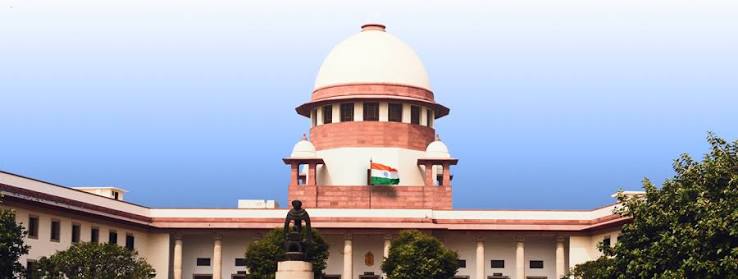
హైదరాబాద్: తెలంగాణలో లోకల్ రిజర్వేషన్, ముఖ్యంగా MBBS/BDS వైద్య ప్రవేశాల్లో స్థానిక అభ్యర్థి అర్హతపై సుప్రీంకోర్టు కీలక స్పష్టత ఇచ్చింది. తెలంగాణ లోకల్ రిజర్వేషన్కు నాలుగు వరుస విద్యా సంవత్సరాల నిబంధన వర్తిస్తుందని న్యాయస్థానం స్పష్టం చేసింది. రాష్ట్రపతి ఉత్తర్వులు, వాటి ఆధారంగా రూపొందించిన తెలంగాణ ప్రవేశ నిబంధనల ప్రకారమే స్థానిక అభ్యర్థిత్వాన్ని నిర్ణయించాల్సి ఉంటుందని తేల్చిచెప్పింది.
ఈ నేపథ్యంలో తెలంగాణ MBBS లోకల్ రిజర్వేషన్, NEET UG 2026 స్థానిక కోటా, తెలంగాణలో నాలుగేళ్ల విద్యాభ్యాసంకు సంబంధించిన నిబంధనపై దాఖలైన పిటిషన్ను కోర్టు కొట్టివేసింది. నాలుగేళ్ల నిబంధన ఏకపక్షంగా, రాజ్యాంగ విరుద్ధంగా ఉందన్న వాదనకు న్యాయస్థానం అంగీకరించలేదు.
నాలుగేళ్ల విద్యాభ్యాసమే కీలకం
ప్రస్తుత నిబంధనల ప్రకారం తెలంగాణలో Competent Authority Quota కింద MBBS/BDS వంటి అండర్గ్రాడ్యుయేట్ వైద్య కోర్సుల్లో Local Candidateగా పరిగణించబడాలంటే, సంబంధిత అర్హత పరీక్షకు ముందు ముగిసే నాలుగు వరుస విద్యా సంవత్సరాల్లో తెలంగాణలోని విద్యాసంస్థల్లో చదివి ఉండాలి.
విద్యాసంస్థలో చదవని సందర్భంలో, నిబంధనల్లో పేర్కొన్న పరిస్థితులకు అనుగుణంగా నాలుగు సంవత్సరాల నివాసం వంటి ప్రత్యామ్నాయ అర్హత కూడా ఉంది. అయితే సంబంధిత అర్హత పరీక్షను తెలంగాణలోనే రాయాల్సిన నిబంధన కూడా వర్తిస్తుంది.
అందువల్ల కేవలం తెలంగాణలో శాశ్వత నివాసం ఉండటం లేదా గతంలో ఎక్కువ సంవత్సరాలు తెలంగాణలో చదివినంత మాత్రాన MBBS లోకల్ రిజర్వేషన్కు అర్హత వస్తుందని భావించలేం. సంబంధిత నాలుగు వరుస విద్యా సంవత్సరాల నిబంధనను పరిశీలించాల్సి ఉంటుంది.
రాష్ట్రపతి ఉత్తర్వులే ప్రాతిపదిక
తెలంగాణ లోకల్ రిజర్వేషన్ వ్యవస్థకు ఆర్టికల్ 371-D కింద జారీ చేసిన రాష్ట్రపతి ఉత్తర్వులు కీలక ప్రాతిపదికగా ఉన్నాయి. స్థానిక అభ్యర్థి నిర్వచనంలో నాలుగు వరుస విద్యా సంవత్సరాల ప్రమాణం చాలా కాలంగా ఉంది. (Indian Kanoon)
2025 సెప్టెంబర్లో State of Telangana vs. Kalluri Naga Narasimha Abhiram కేసులో సుప్రీంకోర్టు నాలుగేళ్ల విద్యాభ్యాసం/నివాసానికి సంబంధించిన నిబంధన చెల్లుబాటును సమర్థించింది. స్థానిక అభ్యర్థిని నిర్ణయించే విషయంలో తెలంగాణ ప్రభుత్వం రూపొందించిన నిబంధనలు రాష్ట్రపతి ఉత్తర్వులకు అనుగుణంగా ఉన్నాయని సుప్రీంకోర్టు పేర్కొంది.
హైకోర్టు తీర్పుల నేపథ్యంలో కీలక పరిణామం
గతంలో తెలంగాణ హైకోర్టు కొన్ని కేసుల్లో రెసిడెన్స్ సర్టిఫికెట్ ఆధారంగా స్థానిక అభ్యర్థిత్వాన్ని పరిగణించాల్సిన పరిస్థితులు ఉన్నాయని తీర్పులు ఇచ్చింది. అయితే అనంతరం సుప్రీంకోర్టు 2025లో ఇచ్చిన తీర్పుతో ఈ అంశంపై న్యాయస్థితిలో కీలక మార్పు వచ్చింది.
సుప్రీంకోర్టు తీర్పు ప్రకారం, కేవలం రెసిడెన్స్ సర్టిఫికెట్ ఉండటం ఒక్కటే తెలంగాణ లోకల్ రిజర్వేషన్కు సరిపోదు. సంబంధిత చట్టబద్ధమైన నాలుగు సంవత్సరాల అర్హత ప్రమాణాలు కూడా నెరవేర్చాలి.
NEET UG 2026 విద్యార్థులకు ఏమిటి ప్రభావం?
NEET UG 2026 ద్వారా తెలంగాణలో MBBS/BDS అడ్మిషన్లు కోరుతున్న విద్యార్థులు తమ Local Candidate Statusను జాగ్రత్తగా పరిశీలించుకోవాల్సి ఉంటుంది.
ముఖ్యంగా:
- తెలంగాణలో నాలుగు వరుస విద్యా సంవత్సరాల చదువు ఉందా?
- ఆ నాలుగు సంవత్సరాలు సంబంధిత qualifying examinationకు ముందు ముగిసే కాలానికి చెందినవేనా?
- అవసరమైన సందర్భంలో తెలంగాణలో నాలుగు సంవత్సరాల నివాసం ఉందా?
- అర్హత పరీక్షను నిబంధనల ప్రకారం తెలంగాణలోనే రాశారా?
- తల్లిదండ్రుల ప్రభుత్వ ఉద్యోగం, రక్షణ శాఖ సేవలు తదితర కారణాలతో తెలంగాణ వెలుపల చదివిన వారికి వర్తించే ప్రత్యేక మినహాయింపులు ఉన్నాయా?
అనే అంశాలను పరిశీలించాలి. ప్రస్తుత నిబంధనల్లో తెలంగాణ వెలుపల చదివిన కొన్ని ప్రత్యేక వర్గాలకు మినహాయింపులు కూడా ఉన్నాయి. వీటిలో తెలంగాణ ప్రభుత్వ ఉద్యోగులు, తెలంగాణ క్యాడర్కు చెందిన All India Services అధికారులు, కొన్ని రక్షణ/పారా మిలిటరీ సిబ్బంది పిల్లలు తదితర వర్గాలు ఉన్నాయి.
పాత చదువు మాత్రమే ఉంటే స్థానిక హోదా వస్తుందా?
ఇది విద్యార్థులు ముఖ్యంగా గమనించాల్సిన అంశం. ఉదాహరణకు ఒక విద్యార్థి తెలంగాణలో 10 లేదా 12 సంవత్సరాలు చదివినా, అర్హత పరీక్షకు ముందు వరుసగా ఉండాల్సిన నాలుగు విద్యా సంవత్సరాల్లో అవసరమైన ప్రమాణాన్ని పూర్తి చేయకపోతే, కేవలం గతంలో తెలంగాణలో ఎక్కువ సంవత్సరాలు చదివిన కారణంతోనే Local Candidate హోదా ఆటోమేటిక్గా లభించదు.
ఇటీవలి తెలంగాణ హైకోర్టు కేసుల్లో కూడా 2026 NEET అడ్మిషన్లకు సంబంధించి నాలుగు వరుస సంవత్సరాల నిబంధనను అమలు చేస్తున్న తీరు స్పష్టంగా కనిపిస్తోంది.
ప్రభుత్వ GOకు న్యాయపరమైన బలం
తెలంగాణ ప్రభుత్వం GO Ms.No.33 (19-07-2024) ద్వారా MBBS/BDS అడ్మిషన్లకు సంబంధించిన స్థానిక అభ్యర్థి నిబంధనల్లో మార్పులు చేసింది. అనంతరం GO Ms.No.150 (08-09-2025) ద్వారా మరిన్ని నిబంధనలు/మినహాయింపులు ప్రవేశపెట్టబడ్డాయి.
ఈ నిబంధనల ప్రకారం తెలంగాణ లోకల్ రిజర్వేషన్, MBBS/BDS Local Candidate, Competent Authority Quota వంటి అంశాల్లో నాలుగు వరుస విద్యా సంవత్సరాల ప్రమాణం ప్రాధాన్యత పొందింది.
విద్యార్థులు తప్పనిసరిగా తెలుసుకోవాల్సిన విషయం
తెలంగాణలో MBBS/BDS లోకల్ రిజర్వేషన్ = కేవలం నివాసం కాదు; నిబంధనల ప్రకారం నిర్దిష్ట విద్యాభ్యాసం/నివాస అర్హత అవసరం.
సుప్రీంకోర్టు తీర్పుల నేపథ్యంలో NEET UG 2026 తెలంగాణ లోకల్ కోటా కింద దరఖాస్తు చేసుకునే విద్యార్థులు తమ విద్యా రికార్డులు, రెసిడెన్స్ వివరాలు, తల్లిదండ్రుల ఉద్యోగ సంబంధిత పత్రాలు, మినహాయింపులకు సంబంధించిన ఆధారాలను ముందుగానే పరిశీలించుకోవడం కీలకం.
సారాంశంగా, తెలంగాణ లోకల్ రిజర్వేషన్ నాలుగేళ్ల రూల్, రాష్ట్రపతి ఉత్తర్వులు, MBBS/BDS అడ్మిషన్ నిబంధనలు పరస్పరం అనుసంధానమై ఉన్నాయి. సుప్రీంకోర్టు ఇప్పటికే నాలుగేళ్ల ప్రమాణం చెల్లుబాటును సమర్థించిన నేపథ్యంలో, తెలంగాణలో వైద్య ప్రవేశాల స్థానిక కోటాకు ఈ నిబంధన అత్యంత కీలకంగా మారింది.
To get more interesting news, click the link below.
Telangana Local Reservation Supreme Court Reaffirms Four-Year Education Rule for Local Status
Hyderabad: The Supreme Court has once again reaffirmed the four-year education requirement for Telangana local reservation, making it clear that eligibility for local status in medical admissions must be determined in accordance with the applicable Presidential Order and Telangana admission rules.
The development is significant for students seeking MBBS and BDS admissions in Telangana under the Competent Authority Quota, particularly those appearing for the NEET-UG examination and claiming Telangana local-candidate status.
The Supreme Court’s position follows its earlier judgment in State of Telangana v. Kalluri Naga Narasimha Abhiram, delivered on September 1, 2025, in which the Court upheld the validity of the rules defining a local candidate for medical admissions.
Four consecutive years of study is the key requirement
Under the applicable rules, a candidate seeking Telangana local reservation for undergraduate medical admissions must generally have studied in educational institutions in the local area for not less than four consecutive academic years ending with the academic year in which the candidate appeared or first appeared for the relevant qualifying examination.
The rules also provide an alternative situation for candidates who have resided in the local area during the relevant four-year period without studying in an educational institution, subject to the requirement that they appeared for the qualifying examination in Telangana.
Therefore, Telangana local reservation is not determined merely by nativity or possession of a residence certificate. The prescribed study/residence conditions have to be satisfied under the applicable rules.
Supreme Court had already upheld the Telangana rules
The Supreme Court’s September 2025 judgment examined the definition of a local candidate under the Telangana Medical & Dental Colleges Admission Rules, 2017, as amended.
The Court held that the four-year requirement was consistent with the Presidential Order issued under Article 371-D of the Constitution and that there was no justification for expanding the definition of a local candidate merely on the basis of a residence certificate.
The judgment specifically noted that the purpose of the local reservation framework is connected to continued education and residence in the local area, culminating in the relevant qualifying examination in Telangana.
Petition challenging four-year rule dismissed
The latest development came after a petition challenging the four-year education requirement for Telangana local reservation.
The petitioner argued that the requirement was arbitrary and should not prevent a candidate from claiming local status. The Supreme Court, however, reaffirmed the legal position governing Telangana local candidate eligibility.
The development has particular relevance to candidates seeking admission through the 85% state quota/Competent Authority Quota, while the remaining 15% seats are allocated to the All-India quota framework. The Supreme Court’s earlier judgment recorded this distinction while upholding the local-candidate rules.
What the rule means for MBBS and BDS aspirants
For students applying for MBBS/BDS admissions in Telangana, the ruling makes the local-candidate criteria especially important.
Students should verify:
- Whether they studied in Telangana for the required four consecutive academic years.
- Whether those four years end with the academic year in which they appeared for the relevant qualifying examination.
- Whether they satisfy the alternative residence requirement, wherever applicable.
- Whether they fall under any of the specific exceptions provided under the amended rules.
- Whether the documents submitted to the admission authorities establish their eligibility as a Telangana local candidate.
The Telangana rules also contain specific provisions for certain candidates who studied outside Telangana because of their parents’ government, defence, paramilitary or specified state-instrumentality employment, subject to the conditions prescribed by the rules.
Residence certificate alone may not be enough
One of the important aspects of the Telangana local reservation dispute is the distinction between nativity and local-candidate eligibility.
The Supreme Court’s earlier ruling rejected an approach under which a residence certificate could by itself expand the definition of a local candidate. The Court held that the applicable statutory rules provide the framework for determining local status.
This means that students and parents should not assume that being a Telangana native or holding a residence-related document automatically establishes eligibility for Telangana local reservation in medical admissions.
Article 371-D and Presidential Order
The legal foundation of the Telangana local reservation system is closely linked to Article 371-D of the Constitution and the Presidential Order governing equitable opportunities in education and other areas.
The Supreme Court held in 2025 that the Telangana Medical & Dental Colleges Admission Rules derive their authority from the relevant legal framework and that the definition of a local candidate is consistent with the Presidential Order. (Indian Kanoon)
The judgment therefore provides an important legal basis for continuing the four-year local eligibility rule for medical admissions in Telangana.
Impact on NEET-UG admissions
The issue is particularly important for students appearing for NEET-UG and seeking MBBS admission in Telangana under the state quota.
Students who have moved between Telangana and other states during their schooling should carefully examine their academic records before claiming Telangana local candidate status.
Recent Telangana High Court proceedings have also referred to the four-consecutive-year requirement while considering challenges involving MBBS/BDS admissions and the amended rules.
Bottom Line
The latest Supreme Court development reinforces the existing legal position: the four-year eligibility framework remains central to determining Telangana local-candidate status for medical admissions.
For Telangana local reservation, MBBS admissions, BDS admissions and NEET-UG state-quota admissions, students must therefore satisfy the conditions prescribed under the applicable rules rather than relying solely on nativity or residence documents.
The ruling is expected to provide further clarity to students, parents and admission authorities dealing with Telangana local reservation and local candidate eligibility.
Satya Telangana is a Telugu daily newspaper delivering the latest news and updates