
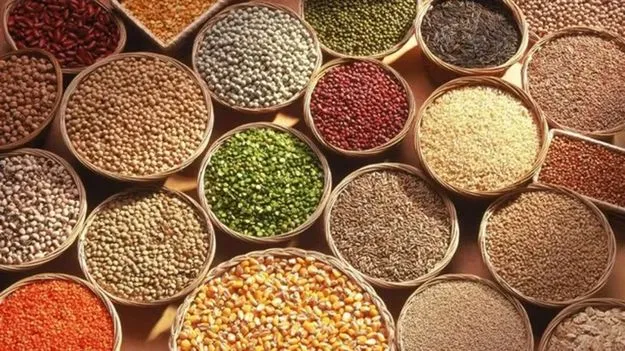
పాత రుచులకు కొత్త ఆదరణ.. తిరిగి వస్తున్న తృణధాన్యాల సంస్కృతి
మిల్లెట్లకు పెరుగుతున్న డిమాండ్.. నెలకు 2–3 క్వింటాళ్ల విక్రయాలు
జొన్నరొట్టె, రాగిజావ, కొర్రల ఉప్మాకు పట్టణాల్లోనూ ఆదరణ
ఆరోగ్యంపై అవగాహనతో మారుతున్న ఆహార అలవాట్లు
చొప్పదండి: ఒకప్పుడు గ్రామీణ ప్రాంతాల్లో ప్రతి ఇంటి వంటగదిలో కనిపించిన తృణధాన్యాలు ఇప్పుడు మళ్లీ ఆధునిక ఆహార సంస్కృతిలోకి ప్రవేశిస్తున్నాయి. ఆరోగ్యంపై ప్రజల్లో పెరుగుతున్న అవగాహన, మారుతున్న జీవనశైలి, సంప్రదాయ ఆహారాలపై ఆసక్తి పెరగడంతో మిల్లెట్ల వినియోగం క్రమంగా పెరుగుతోంది. ఉమ్మడి కరీంనగర్ జిల్లా చొప్పదండిలోని ఓ సూపర్మార్కెట్లో నిత్యావసర సరుకులతో పాటు వివిధ రకాల తృణధాన్యాలు (మిల్లెట్లు) విక్రయిస్తున్నారు. ఏడాది క్రితం వరకు మిల్లెట్ల అమ్మకాలు అంతంత మాత్రంగానే ఉండగా.. గత ఆరు నెలలుగా మిల్లెట్లకు డిమాండ్ గణనీయంగా పెరిగినట్లు వ్యాపార వర్గాలు చెబుతున్నాయి.
ప్రస్తుతం నెలకు సుమారు రెండు నుంచి మూడు క్వింటాళ్ల మిల్లెట్లు విక్రయమవుతున్నాయి. ముఖ్యంగా తెల్లజొన్నలు, పచ్చజొన్నలు, కొర్రలు, రాగులు, సజ్జలు, అరికెలు, అండుకొర్రలకు వినియోగదారుల నుంచి మంచి స్పందన కనిపిస్తోంది. గ్రామీణ ప్రాంతాలతో పాటు పట్టణ ప్రాంతాల్లోనూ మిల్లెట్ ఆహారం తీసుకునే వారి సంఖ్య పెరుగుతోంది.
పాత వంటకాల వైపు మళ్లీ చూపు
ఒకప్పుడు వరి అన్నం కంటే జొన్నలు, రాగులు, సజ్జలు, కొర్రలు, ఇతర చిరుధాన్యాలే అనేక కుటుంబాల ప్రధాన ఆహారంగా ఉండేవి. ముఖ్యంగా వర్షాభావ పరిస్థితుల్లోనూ తక్కువ నీటితో సాగు చేయగల పంటలుగా మిల్లెట్లు రైతులకు ఎంతో ఉపయోగపడేవి.
జనాభా పెరుగుదల, సాగునీటి వసతుల విస్తరణ, వరి సాగు పెరగడంతో క్రమంగా వరి అన్నం వినియోగం పెరిగింది. ఫలితంగా సంప్రదాయ మిల్లెట్ ఆహారాలు వెనుకబడిపోయాయి. అనంతరం ఫాస్ట్ఫుడ్ సంస్కృతి విస్తరించడంతో సంప్రదాయ వంటకాలు మరింత కనుమరుగయ్యాయి.
అయితే ఇప్పుడు పరిస్థితి మారుతోంది. ఆరోగ్యంపై అవగాహన పెరగడం, సంప్రదాయ ఆహారాలపై ఆసక్తి పెరగడం, మిల్లెట్ల పోషక విలువలపై ప్రచారం విస్తరించడం వంటి కారణాలతో పాత తృణధాన్యాల ఆహార సంస్కృతి మళ్లీ తిరిగి వస్తోంది.
జొన్నరొట్టె నుంచి కొర్రల కిచిడి వరకు..
ప్రస్తుతం అనేక కుటుంబాలు తమ రోజువారీ ఆహారంలో కనీసం ఒక పూట అయినా మిల్లెట్లను చేర్చుకునేందుకు ప్రయత్నిస్తున్నాయి. రాత్రి వేళల్లో జొన్నరొట్టె, సజ్జరొట్టెతో పాటు కొర్రలు, అరికెలు, సామలు వంటి మిల్లెట్లతో తయారుచేసిన వంటకాలను తీసుకుంటున్నారు.
రాగి సంకటి, జొన్నరొట్టె, సజ్జరొట్టె, కొర్రల ఉప్మా, కొర్రల కిచిడి, అండుకొర్రల వంటకాలు మళ్లీ ప్రజల ఆహారంలో చోటు సంపాదిస్తున్నాయి. దీంతో ఇళ్లలోనే కాకుండా హోటళ్లు, టిఫిన్ సెంటర్లు, రోడ్డు పక్కన స్టాళ్లలోనూ మిల్లెట్ ఫుడ్ అందుబాటులోకి వస్తోంది.
వాడవాడలా రాగిజావ స్టాళ్లు
పట్టణాలు, నగరాల్లో టీ స్టాళ్ల తరహాలోనే ఇప్పుడు రాగిజావ స్టాళ్లు కూడా కనిపిస్తున్నాయి. ఉదయం, సాయంత్రం వేళల్లో రాగిజావ, జొన్నజావ, బార్లీ జావ, గటుక వంటి సంప్రదాయ పానీయాలను విక్రయిస్తున్నారు.
మండల కేంద్రాలకు కూడా ఈ సంస్కృతి విస్తరిస్తోంది. కొన్ని ప్రాంతాల్లో జొన్నరొట్టె, రాగిజావ, గటుక వంటి ఆహారాలను ప్రత్యేకంగా విక్రయించే స్టాళ్లు ఏర్పడుతున్నాయి. ఆరోగ్యకరమైన ఆహారం తీసుకోవాలనుకునే వారు వీటిని రోజువారీ ఆహారంలో భాగం చేసుకుంటున్నారు.
సూపర్మార్కెట్లలో మిల్లెట్ మిక్సులకు డిమాండ్
మారుతున్న వినియోగదారుల అభిరుచులకు అనుగుణంగా సూపర్మార్కెట్లు కూడా మిల్లెట్ ఉత్పత్తులను అందుబాటులోకి తీసుకొస్తున్నాయి. రాగులు, జొన్నలు, సజ్జలు, గోధుమలు, కొర్రలు, అరికెలు, సామలు, ఊదలు తదితర ధాన్యాలను కలిపిన మిల్లెట్ మిక్స్లు వినియోగదారులకు అందుబాటులో ఉన్నాయి.
మిల్లెట్ రవ్వతో ఉప్మా, కిచిడి వంటి వంటకాలను తయారుచేసుకునే వారి సంఖ్య కూడా పెరుగుతోంది. దీంతో సంప్రదాయ ధాన్యాలకు కొత్త మార్కెట్ ఏర్పడుతోంది.
ఆరోగ్యంపై అవగాహనే ప్రధాన కారణం
మిల్లెట్ల వినియోగం పెరగడానికి ప్రధాన కారణాల్లో ఆరోగ్యంపై ప్రజల్లో పెరుగుతున్న అవగాహన ఒకటి. ఆధునిక జీవనశైలిలో శారీరక శ్రమ తగ్గిపోవడం, ప్రాసెస్డ్ ఫుడ్, ఫాస్ట్ఫుడ్ వినియోగం పెరగడం వంటి పరిణామాలతో ఆహారపు అలవాట్లపై ప్రజలు మరోసారి ఆలోచిస్తున్నారు.
దీంతో తక్కువగా ప్రాసెస్ చేసిన సంప్రదాయ ధాన్యాలు, అధిక ఫైబర్ కలిగిన ఆహార పదార్థాలు, స్థానికంగా లభించే ధాన్యాల వైపు ప్రజల దృష్టి మళ్లుతోంది. ఈ నేపథ్యంలో మిల్లెట్లు, రాగులు, జొన్నలు, సజ్జలు, కొర్రలు వంటి తృణధాన్యాలకు ప్రాధాన్యం పెరుగుతోంది.
అయితే మిల్లెట్లు ఆరోగ్యానికి ఉపయోగకరమైన ఆహారంలో భాగం కావచ్చన్నది వైద్య, పోషకాహార నిపుణుల సాధారణ అభిప్రాయం అయినప్పటికీ.. ఏ ఒక్క ఆహారం అన్ని అనారోగ్యాలను నివారిస్తుందని చెప్పడం శాస్త్రీయంగా సరైనది కాదు. సమతుల్య ఆహారం, శారీరక శ్రమ, వ్యక్తిగత ఆరోగ్య పరిస్థితులకు అనుగుణమైన ఆహార ప్రణాళిక అవసరం.
‘ఇయర్ ఆఫ్ మిల్లెట్స్’తో మరింత ప్రచారం
చిరుధాన్యాల సాగు, వినియోగాన్ని ప్రోత్సహించేందుకు కేంద్ర ప్రభుత్వం **2023 సంవత్సరాన్ని ‘ఇంటర్నేషనల్ ఇయర్ ఆఫ్ మిల్లెట్స్’**గా నిర్వహించింది. దీంతో దేశవ్యాప్తంగా మిల్లెట్లపై అవగాహన కార్యక్రమాలు, సాగు ప్రోత్సాహం, మిల్లెట్ ఆధారిత ఆహారాలపై ప్రచారం మరింత విస్తరించింది.
ఈ ప్రచారంతో పాటు ఆరోగ్యకరమైన ఆహారం పట్ల వినియోగదారుల్లో పెరుగుతున్న ఆసక్తి మిల్లెట్ల మార్కెట్కు కొత్త ఊపునిస్తోంది. ఒకప్పుడు పేదల ఆహారంగా భావించిన అనేక సంప్రదాయ ధాన్యాలు ఇప్పుడు పట్టణాల్లో ‘హెల్త్ ఫుడ్’గా కొత్త గుర్తింపును పొందుతున్నాయి.
రైతులకు కూడా కొత్త అవకాశాలు
మిల్లెట్లకు డిమాండ్ పెరగడం రైతులకు కూడా కొత్త మార్కెట్ అవకాశాలను కల్పించే అవకాశం ఉంది. తక్కువ నీటి వనరులతో సాగు చేయగల అనేక చిరుధాన్యాలు వర్షాధార ప్రాంతాల్లో ఉపయోగకరమైన పంటలుగా ఉన్నాయి.
వినియోగం పెరిగితే మిల్లెట్ ఆధారిత విలువ ఆధారిత ఉత్పత్తులు, ప్రాసెసింగ్, ప్యాకేజింగ్, రెడీ-టు-కుక్ ఉత్పత్తులకు కూడా మార్కెట్ విస్తరించే అవకాశం ఉంది. దీంతో రైతులు, మహిళా సంఘాలు, చిన్న వ్యాపారులు, ఫుడ్ ప్రాసెసింగ్ సంస్థలకు కొత్త అవకాశాలు ఏర్పడవచ్చు..
To get more interesting news, click the link below.
Millets Make a Strong Comeback in Telangana as Traditional Food Culture Returns
Demand for Jowar, Ragi, Foxtail Millet and Other Traditional Grains Rises | Choppadandi Supermarket Records 2–3 Quintals in Monthly Millet Sales
CHOPPADANDI, KARIMNAGAR: Traditional grains that once formed the backbone of rural diets are making a noticeable comeback in Telangana. Millet consumption has been steadily increasing in both rural and urban areas, with growing awareness about healthy food, changing dietary preferences and renewed interest in traditional recipes driving demand.
A supermarket in Choppadandi of the erstwhile Karimnagar district is witnessing a significant increase in the sale of millets. Until about a year ago, millet sales were relatively low. However, over the past six months, demand has increased considerably. The supermarket is currently selling around two to three quintals of millets every month, indicating a renewed consumer interest in traditional grains.
White jowar, green jowar, foxtail millet, ragi, pearl millet, arikelu and andu korralu are among the millets witnessing increased consumption.
Traditional Millet Food Culture Makes a Comeback
For generations, millets were an important part of the traditional food culture of Telangana and other parts of India. Before and after Independence, many households relied on jowar, ragi, pearl millet, foxtail millet and other traditional grains instead of rice.
Jowar roti, ragi-based dishes and millet-based meals were common in rural households. Many of these crops could also be cultivated under relatively dry conditions, making them important food grains in areas with limited rainfall.
Over time, however, the expansion of paddy cultivation and changes in agricultural practices resulted in a major shift towards rice consumption. As rice became more widely available, traditional grains such as jowar, ragi, bajra and foxtail millet gradually disappeared from everyday menus.
The rapid growth of fast-food culture further changed eating habits.
Now, the trend appears to be moving in the opposite direction.
Growing awareness about nutrition and traditional foods is encouraging consumers to bring millets back into their daily diet.
Jowar Roti, Ragi Java and Millet Meals Gain Popularity
The revival of millet consumption is not limited to supermarkets. Traditional millet-based foods are increasingly becoming available at roadside food stalls, tiffin centres and small eateries.
In cities and towns, ragi java stalls are emerging in locations where tea and other beverages are traditionally sold. Ragi java, jowar java, barley java and gatuka are being consumed during morning and evening hours.
Similarly, jowar roti and other millet-based dishes are finding new customers.
Many consumers are now incorporating at least one millet-based meal into their daily routine. Ragi java in the morning, millet upma or millet khichdi during the day and jowar roti in the evening are becoming part of the changing food habits of some households.
The trend is also spreading beyond cities. Millet food stalls are reportedly becoming available in mandal headquarters and smaller towns, bringing traditional food choices closer to consumers.
Millet Mixes Find Space on Supermarket Shelves
The changing demand for millet food is also reflected in supermarket shelves.
Multi-millet rava is now available for preparing upma and other dishes. Millet mixes containing ragi, jowar, pearl millet, wheat, foxtail millet, arikelu, samalu and oodalu are also being marketed to consumers.
These ready-to-use and mixed-grain products are making it easier for urban households to include millets in their diet without having to prepare each grain separately.
The growing availability of millet-based products indicates that millets are gradually moving from being viewed purely as traditional rural food to becoming part of the modern health-food market.
Why Are More People Turning Towards Millets?
One of the major factors behind the rise in millet consumption is increasing awareness about healthy eating.
Modern lifestyles have reduced physical activity for many people, while consumption of processed foods and fast food has increased. This has prompted consumers to reconsider their eating habits and explore traditional food options.
Millets are naturally rich in dietary fibre and provide several nutrients, making them a useful component of a balanced diet. Their nutritional profile has contributed to growing interest in ragi, jowar, bajra, foxtail millet and other traditional grains.
However, nutrition experts generally emphasize that no single food can guarantee protection from diseases. The health value of millets depends on the overall diet, preparation method, portion size and an individual’s nutritional needs.
From Traditional Staple to Modern Health Food
Interestingly, the perception of millets has changed significantly.
There was a period when many traditional grains were associated mainly with rural households and older generations. Today, the same grains are increasingly being promoted as nutritious and traditional food choices.
Ragi, jowar, bajra and foxtail millet are appearing in modern menus in the form of rotis, porridges, upma, khichdi, snacks and multi-millet products.
The renewed interest in traditional food culture is therefore creating a new market for millet-based products.
Government Push Gives Millets a Wider Platform
The promotion of millets has also received policy support in recent years. The Government of India promoted 2023 as the International Year of Millets, helping increase awareness about millet cultivation, consumption, nutrition and value-added millet products.
The campaign brought greater attention to traditional grains and their potential role in diversified agriculture and food systems.
With increasing consumer awareness and demand, the millet sector now has opportunities not only in farming but also in processing, packaging, retail and ready-to-cook food products.
New Opportunities for Farmers and Food Businesses
The rise in millet demand could also create opportunities for farmers in dryland and rain-fed regions.
Several millet varieties are suitable for cultivation in areas where water availability is relatively limited. If consumer demand continues to grow, farmers could benefit from stronger markets for millet grains and value-added products.
Small food businesses, women’s self-help groups and food-processing enterprises could also explore opportunities in millet-based foods, including ready-to-cook mixes, millet flour, snacks and traditional dishes.
A New Chapter for an Old Food Tradition
The growing popularity of millets in Telangana reflects a broader change in food preferences. Foods that once disappeared from urban menus are now returning in new forms.
From jowar roti and ragi java to foxtail millet upma and millet khichdi, traditional recipes are finding new consumers.
The experience of the Choppadandi supermarket, where monthly millet sales have reportedly reached two to three quintals, provides a local indication of this changing consumer trend.
The revival of millet consumption is not simply about bringing an old grain back to the kitchen. It also represents renewed interest in traditional food, diversified diets and locally familiar grains.
As awareness about nutrition and traditional foods continues to grow, millets are once again finding a place on the plates of both rural and urban consumers.