Squats Mistakes స్క్వాట్స్ చేస్తున్నారా? ఈ 7 తప్పులు చేస్తే వ్యాయామ ఫలితాలు తగ్గిపోవచ్చు
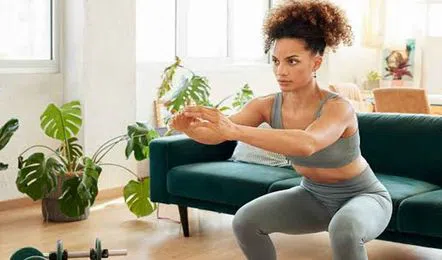
హైదరాబాద్: ఫిట్నెస్పై ఆసక్తి ఉన్నవారు క్రమం తప్పకుండా చేసే వ్యాయామాల్లో స్క్వాట్స్ (Squats) ముఖ్యమైనవి. కాళ్ల కండరాల బలోపేతం, తొడలు–తుంటి కండరాల అభివృద్ధి, శరీర సమతుల్యత మెరుగుదల వంటి ప్రయోజనాలను స్క్వాట్స్ ద్వారా పొందవచ్చు. అలాగే సరైన విధానంలో, క్రమం తప్పకుండా స్క్వాట్స్ చేయడం వల్ల శారీరక దృఢత్వాన్ని పెంచుకోవడంలో కూడా సహాయపడుతుంది.
అయితే స్క్వాట్స్ ఎలా చేయాలి?, స్క్వాట్స్ చేసేటప్పుడు ఏ తప్పులు చేయకూడదు? అనే విషయాలు కూడా అంతే ముఖ్యమైనవి. సరైన ఫారమ్ లేకుండా స్క్వాట్స్ చేయడం వల్ల ఆశించిన ఫలితాలు రాకపోవడంతో పాటు శరీరంపై అనవసర ఒత్తిడి పడే అవకాశం ఉంటుంది. ముఖ్యంగా అధిక బరువులు ఉపయోగించడం, మోకాళ్లను తప్పుగా కదపడం, మడమలను పైకి ఎత్తడం వంటి పొరపాట్లు చేయకూడదని ఫిట్నెస్ నిపుణులు సూచిస్తున్నారు.
స్క్వాట్స్లో చేయకూడని 7 ముఖ్యమైన తప్పులు
1. సామర్థ్యానికి మించి బరువులు ఎత్తకండి
స్క్వాట్స్ వ్యాయామం చేస్తున్నప్పుడు ఎక్కువ బరువును ఉపయోగించడం వల్ల మోకాళ్లు, కీళ్లపై అదనపు ఒత్తిడి పడే అవకాశం ఉంటుంది. అంతేకాకుండా అధిక బరువును నియంత్రించేందుకు ప్రయత్నించినప్పుడు సరైన స్క్వాట్ ఫారమ్ దెబ్బతినవచ్చు.
అందువల్ల ప్రారంభంలో మీకు సౌకర్యంగా, నియంత్రణలో ఉండే బరువుతో స్క్వాట్స్ ప్రారంభించడం మంచిది. వ్యాయామంపై నియంత్రణ పెరిగిన తర్వాత క్రమంగా బరువును పెంచుకోవచ్చు.
2. మోకాళ్లు లోపలికి వంగకుండా చూసుకోండి
నీ-వాల్గస్ (Knee Valgus) అనేది స్క్వాట్స్లో కనిపించే సాధారణ తప్పుల్లో ఒకటి. స్క్వాట్స్ చేసేటప్పుడు మోకాళ్లు లోపలికి ఒకదానివైపు మరొకటి కదలడం వల్ల కదలికలో సరైన అమరిక దెబ్బతినవచ్చు.
స్క్వాట్స్ చేస్తున్నప్పుడు మోకాళ్లు సాధారణంగా పాదాల దిశను అనుసరించేలా కదిలేలా జాగ్రత్త తీసుకోవాలి. తొడలు, తుంటి కండరాల బలం మరియు కదలిక నియంత్రణ కూడా ఇందులో కీలక పాత్ర పోషిస్తాయి.
3. స్క్వాట్స్లో మడమలను పైకి ఎత్తకండి
స్క్వాట్స్ ఎలా చేయాలి అనే విషయంలో పాదాల స్థిరత్వం చాలా ముఖ్యం. స్క్వాట్స్ చేస్తున్నప్పుడు మడమలు నేలపై స్థిరంగా ఉండాలి. మడమలను పైకి ఎత్తడం వల్ల శరీర సమతుల్యత దెబ్బతినవచ్చు.
చీలమండల కదలిక పరిమితంగా ఉన్నప్పుడు కొంతమందికి ఈ సమస్య ఎదురవుతుంది. అందువల్ల స్క్వాట్స్ సమయంలో పాదాలను స్థిరంగా ఉంచుతూ, శరీర బరువును నియంత్రితంగా పంపిణీ చేయడం అవసరం.
4. నడుమును అతిగా వంచకండి
స్క్వాట్స్లో మరో ముఖ్యమైన అంశం సరైన భంగిమ (Squat Form). కిందకు వెళ్లే సమయంలో నడుము భాగాన్ని అతిగా వంచడం లేదా వెన్నెముక సహజ స్థితిని కోల్పోవడం వల్ల కదలికపై నియంత్రణ తగ్గవచ్చు.
దీనిని సాధారణంగా ‘బట్ వింక్’ వంటి కదలికలతో అనుసంధానిస్తారు. ముఖ్యంగా అధిక బరువుతో స్క్వాట్స్ చేస్తున్నప్పుడు శరీర భంగిమపై మరింత శ్రద్ధ అవసరం. మీ కదలిక పరిధికి అనుగుణంగా, నియంత్రణతో స్క్వాట్స్ చేయడం మంచిది.
5. స్క్వాట్స్ను చాలా వేగంగా చేయకండి
స్క్వాట్స్లో వేగం కంటే కంట్రోల్ ముఖ్యం. కొందరు కిందికి ఒకేసారి వేగంగా వెళ్లి, అదే వేగంతో పైకి లేవడానికి ప్రయత్నిస్తారు. ఇలా చేయడం వల్ల వ్యాయామ కదలికపై నియంత్రణ తగ్గవచ్చు.
కిందికి వెళ్లేటప్పుడు స్థిరమైన వేగాన్ని పాటించి, పైకి వస్తున్నప్పుడు కూడా నియంత్రిత కదలికను కొనసాగించడం మంచిది. ముఖ్యంగా ప్రారంభ దశలో స్క్వాట్స్ ఫారమ్పై దృష్టి పెట్టాలి.
6. షాలో స్క్వాట్స్కే పరిమితం కావద్దు
మోకాళ్లను తక్కువగా వంచి కొద్దిదూరం మాత్రమే కిందికి వెళ్లే స్క్వాట్స్ను షాలో స్క్వాట్స్ (Shallow Squats) అంటారు. కొన్ని సందర్భాల్లో ఇవి ఉపయోగపడవచ్చు. అయితే మీ శారీరక సామర్థ్యం, కదలిక పరిధి అనుమతించిన మేరకు తగిన లోతుతో స్క్వాట్స్ చేయడం వల్ల కండరాలపై మరింత సమగ్రంగా పని చేయవచ్చు.
అయితే అందరూ ఒకే లోతు వరకు స్క్వాట్స్ చేయాల్సిన అవసరం లేదు. సరైన ఫారమ్ను కాపాడుకుంటూ మీ శరీర సామర్థ్యానికి అనుగుణంగా లోతును నిర్ణయించుకోవాలి.
7. వార్మప్, రికవరీని నిర్లక్ష్యం చేయకండి
స్క్వాట్స్కు ముందు వార్మప్ చేయడం వ్యాయామానికి శరీరాన్ని సిద్ధం చేయడంలో సహాయపడుతుంది. ముఖ్యంగా ఎక్కువసేపు కూర్చునే జీవనశైలి ఉన్నవారు వ్యాయామానికి ముందు శరీరాన్ని కదిలించడం, తగిన మొబిలిటీ వ్యాయామాలు చేయడం ఉపయోగకరంగా ఉంటుంది.
అదేవిధంగా వ్యాయామం తర్వాత రికవరీ, విశ్రాంతి కూడా అవసరం. శరీరానికి తగిన విశ్రాంతి, నిద్ర, పోషకాహారం అందించడం కండరాల పునరుద్ధరణకు సహాయపడుతుంది.
స్క్వాట్స్తో మంచి ఫలితాల కోసం ఏం చేయాలి?
స్క్వాట్స్ ప్రయోజనాలు పొందాలంటే కేవలం ఎక్కువ రిపిటేషన్లు చేయడం మాత్రమే ముఖ్యం కాదు. సరైన ఫారమ్, నియంత్రిత కదలిక, తగిన బరువు, సరైన వార్మప్, తగిన విశ్రాంతి కూడా ముఖ్యమే.
ప్రారంభంలో తక్కువ రిపిటేషన్లతో సరైన టెక్నిక్ను అలవాటు చేసుకుని, క్రమంగా వ్యాయామ తీవ్రతను పెంచుకోవడం మంచిది. మోకాళ్లు లేదా వెన్ను వంటి ప్రాంతాల్లో నొప్పి కనిపిస్తే వ్యాయామాన్ని ఆపి ఫిట్నెస్ నిపుణుడు లేదా వైద్య నిపుణుడి సలహా తీసుకోవాలి.
To get more interesting news, click the link below.
Squats 7 Common Mistakes to Avoid for Better Results and Safer Workouts
Hyderabad: Squats are among the most popular and effective exercises for strengthening the lower body. Regular squats can help strengthen the legs, thighs and hip muscles while also improving balance and overall body stability. When performed correctly, squat exercises can become an important part of a strength-training and fitness routine.
However, doing squats incorrectly may reduce the effectiveness of the exercise and can place unnecessary stress on the joints and muscles. Many people make common mistakes while performing squats, especially when using weights.
For those looking to get better results from their squat workout, maintaining proper form, choosing an appropriate weight and controlling every movement are essential. Here are seven common squat mistakes that should be avoided.
1. Avoid Using Excessive Weight
One of the most common squat mistakes is attempting to lift more weight than the body can safely control.
Using excessive weight during squats can make it difficult to maintain proper form and may increase stress on the knees and other joints. It can also force the body to compensate during the movement.
Beginners should start with a manageable weight and focus on learning the correct squat form. Once the movement becomes comfortable and controlled, the resistance can be gradually increased.
2. Do Not Let the Knees Collapse Inward
Another common mistake during squats is allowing the knees to move inward while bending. This movement is commonly referred to as knee valgus.
During a proper squat exercise, the knees should generally track in the same direction as the feet rather than collapsing inward. Poor control of the hips and thighs can contribute to this movement pattern.
Maintaining proper knee alignment is therefore an important part of squat form. Paying attention to foot position and controlled movement can help improve technique.
3. Keep Your Heels on the Floor
Lifting the heels during squats can affect balance and stability. Your feet should remain firmly planted on the floor throughout the movement.
Limited ankle mobility can sometimes make it difficult for a person to keep the heels down while performing a deep squat. Instead of forcing the movement, work within a comfortable range and gradually improve mobility.
Maintaining stable contact between the feet and the floor is an important part of performing squats correctly.
4. Avoid Excessive Lower-Back Rounding
Maintaining control of the spine is another important aspect of squat form. Excessive rounding of the lower back during the bottom portion of a squat is sometimes referred to as a “butt wink.”
This can become more noticeable when a person attempts to squat beyond their comfortable range of motion or uses excessive weight.
Rather than forcing a deeper squat, focus on maintaining controlled movement and a stable spine. The appropriate squat depth can vary depending on an individual’s mobility, body structure and training experience.
5. Do Not Perform Squats Too Quickly
Speed is another factor that can affect the quality of a squat workout. Some people quickly drop down and immediately push themselves back up without controlling the movement.
Performing squats at a controlled pace allows better awareness of body position and movement. The downward and upward phases should be performed with control rather than relying on momentum.
For beginners especially, learning proper squat technique should take priority over completing a high number of repetitions quickly.
6. Do Not Always Limit Yourself to Shallow Squats
A shallow squat involves moving through a relatively limited range of motion. Shallow squats can have a place in certain training routines, but consistently avoiding a deeper range of motion may limit the muscles being challenged.
However, there is no single squat depth that is appropriate for everyone. The ideal range depends on mobility, anatomy, fitness level and the ability to maintain good technique.
Rather than forcing a full squat, aim for the deepest comfortable range that allows you to maintain proper squat form and control.
7. Never Ignore Warm-Up and Recovery
A proper warm-up is an important part of any squat workout. Warming up can prepare the body for exercise and help improve movement readiness before performing more demanding exercises.
Recovery is equally important. After strength training, muscles need adequate rest, nutrition and sleep to recover and adapt.
Therefore, people who regularly perform squats should not focus only on the number of repetitions or the amount of weight lifted. A balanced approach that includes warm-up, proper technique, progressive training and recovery can support long-term fitness.
How to Perform Squats More Effectively
Getting the maximum benefit from squats is not simply about doing more repetitions or lifting heavier weights. Proper squat form, controlled movement and an appropriate range of motion are key factors.
Before increasing the weight, make sure you can perform the movement comfortably and consistently. If you experience persistent pain in the knees, back, hips or ankles while doing squats, stop the exercise and seek advice from a qualified fitness professional or healthcare professional.
Why Proper Squat Form Matters
Squats can be an effective lower-body exercise, but technique matters. Avoiding common squat mistakes such as excessive weight, inward knee movement, lifted heels, uncontrolled speed and poor spinal positioning can help you perform the exercise more effectively.
For beginners, mastering squat form should come before increasing resistance or workout intensity.
Satya Telangana is a Telugu daily newspaper delivering the latest news and updates