
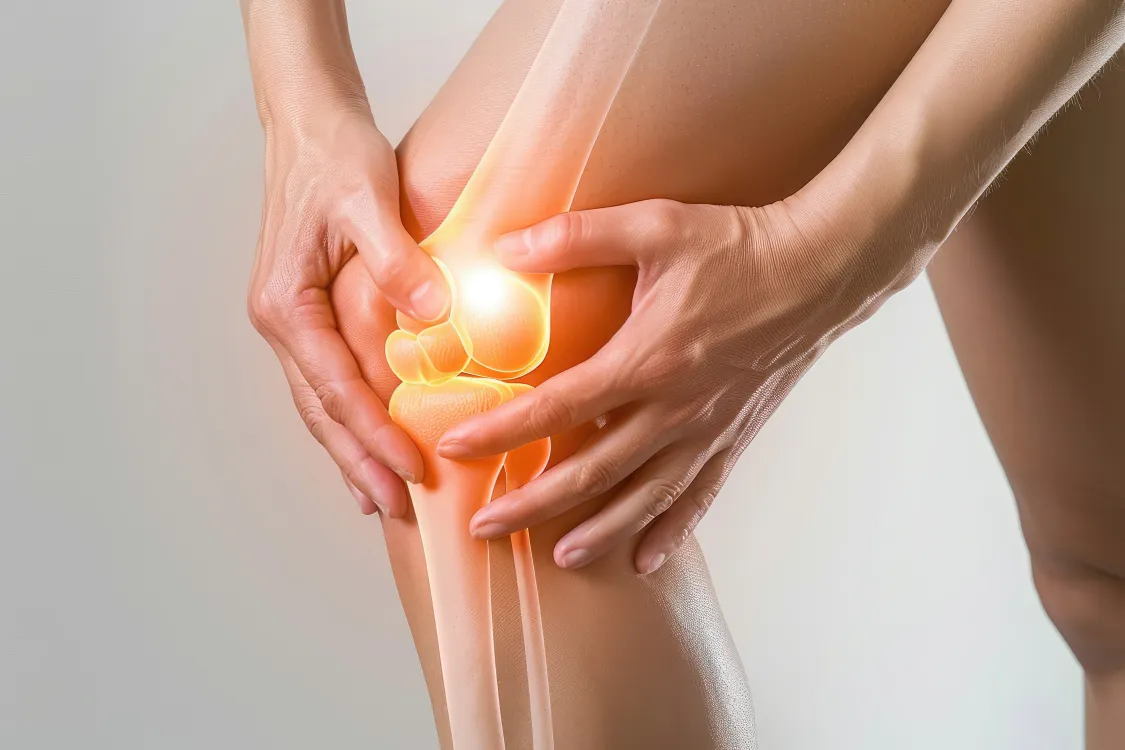
మోకాళ్ల నొప్పికి వయసే కారణం కాదు.. ఈ రోజువారీ అలవాట్లే అసలు సమస్య!
హైదరాబాద్: మోకాళ్ల నొప్పి, మోకాళ్ల సమస్యలు వయసు పెరగడం లేదా గాయం కారణంగానే వస్తాయని చాలామంది భావిస్తారు. అయితే మోకాళ్ల ఆరోగ్యంపై మన రోజువారీ జీవనశైలి, నడిచే విధానం, కూర్చునే పద్ధతి, వ్యాయామం చేసే తీరు, శరీర బరువు వంటి అనేక అంశాలు కూడా ప్రభావం చూపుతాయి. మోకాళ్లు మన శరీర బరువును మోస్తూ నడవడం, నిలబడటం, కూర్చోవడం, మెట్లు ఎక్కడం వంటి రోజువారీ పనుల్లో కీలక పాత్ర పోషిస్తాయి.
మోకాళ్లపై పదేపదే అధిక ఒత్తిడి పడటం, ఎక్కువసేపు ఒకే భంగిమలో ఉండటం, సరైన పద్ధతి లేకుండా వ్యాయామం చేయడం వంటి అలవాట్లు కాలక్రమంలో మోకాళ్ల నొప్పి, మోకాళ్ల బిగుతు, కదలికల్లో ఇబ్బంది, కండరాల బలహీనత వంటి సమస్యలకు దారితీయవచ్చు.
మోకాళ్లపై రోజూ పడే ఒత్తిడి ఎందుకు ముఖ్యమంటే?
మోకాలి కీలు శరీరంలోని ప్రధాన బరువు మోసే కీళ్లలో ఒకటి. నడక, మెట్లు ఎక్కడం, పరుగెత్తడం, కూర్చోవడం, లేవడం వంటి ప్రతి కదలికలో మోకాలి కీలు పనిచేస్తాయి.
ముఖ్యంగా అధిక శరీర బరువు ఉన్నప్పుడు మోకాళ్లపై అదనపు ఒత్తిడి పడుతుంది. అధిక బరువు మోకాళ్లపై ఒత్తిడిని పెంచడమే కాకుండా ఆస్టియోఆర్థరైటిస్ ప్రమాదాన్ని కూడా పెంచవచ్చని వైద్య నిపుణుల సమాచారం చెబుతోంది.
ఎక్కువసేపు కదలకుండా కూర్చోవడం కూడా సమస్యే
రోజంతా ఎక్కువసేపు కూర్చుని ఉండే జీవనశైలి మోకాళ్ల కదలికలను తగ్గించవచ్చు. ఎక్కువసేపు ఒకే భంగిమలో ఉండటం వల్ల కీళ్లలో బిగుతు, అసౌకర్యం పెరగవచ్చు.
డెస్క్ వద్ద ఎక్కువసేపు పనిచేసేవారు మధ్య మధ్యలో లేచి కొద్దిసేపు నడవడం, కాళ్లను కదిలించడం వంటి అలవాట్లు చేసుకోవడం ఉపయోగకరంగా ఉంటుంది. ఒకే భంగిమలో ఎక్కువసేపు ఉండకుండా, సరైన భంగిమను పాటించాలని NHS సూచిస్తోంది. (nhs.uk)
వ్యాయామం మంచిదే.. కానీ సరైన పద్ధతిలో చేయాలి
మోకాళ్ల నొప్పి ఉందని పూర్తిగా వ్యాయామం మానేయడం కూడా సరైన విధానం కాదు. సరైన వ్యాయామం మోకాళ్ల చుట్టూ ఉన్న కండరాలను బలోపేతం చేసి కీళ్లకు మెరుగైన మద్దతు ఇవ్వడంలో సహాయపడుతుంది.
అయితే ఒక్కసారిగా అధిక తీవ్రతతో వ్యాయామం ప్రారంభించడం, శరీరం సిద్ధంగా లేకుండానే ఎక్కువ పరుగులు, జంపింగ్ లేదా స్క్వాట్స్ చేయడం వంటి చర్యలు మోకాళ్లపై ఒత్తిడిని పెంచవచ్చు. సరైన టెక్నిక్, క్రమంగా పెంచే వ్యాయామం, అవసరమైనప్పుడు నిపుణుల మార్గదర్శకత్వం ముఖ్యమని వైద్య వనరులు సూచిస్తున్నాయి.
స్క్వాట్స్, మెట్లు, కూర్చోవడం.. జాగ్రత్త అవసరం
స్క్వాట్స్, మెట్లు ఎక్కడం, పదేపదే కిందికి వంగడం వంటి కదలికలు తప్పనిసరిగా హానికరమైనవి కావు. అయితే తప్పు కదలిక విధానం, అధిక భారం లేదా ఒక్కసారిగా పెంచిన వ్యాయామ తీవ్రత మోకాళ్లపై ఒత్తిడిని పెంచవచ్చు.
ఉదాహరణకు స్క్వాట్ చేసేటప్పుడు మోకాళ్లు లోపలికి ఎక్కువగా వంగే కదలికలు కొన్ని సందర్భాల్లో మోకాలి ముందు భాగంలో నొప్పికి సంబంధం కలిగి ఉండవచ్చని Mayo Clinic పేర్కొంటోంది.
కండరాలు బలంగా ఉంటే మోకాళ్లకు మద్దతు
మోకాలి చుట్టూ ఉన్న కండరాలు బలంగా ఉండటం కీళ్లకు స్థిరత్వాన్ని అందించడంలో సహాయపడుతుంది. ముఖ్యంగా తొడ ముందు, వెనుక భాగంలోని కండరాలను బలోపేతం చేయడం, సరైన స్ట్రెచింగ్ చేయడం మోకాళ్ల కదలికలకు మద్దతు ఇవ్వవచ్చు.
అందుకే మోకాళ్ల నొప్పి నివారణకు కేవలం నొప్పి తగ్గించడం కాకుండా, మోకాళ్ల చుట్టూ ఉన్న కండరాల బలం, ఫ్లెక్సిబిలిటీ, శరీర బరువు, వ్యాయామ పద్ధతి వంటి అంశాలపై కూడా దృష్టి పెట్టాలి.
మోకాళ్ల ఆరోగ్యానికి ఏ వ్యాయామాలు ఉపయోగకరం?
మోకాళ్లపై తక్కువ ప్రభావం చూపే వ్యాయామాలు కొన్ని సందర్భాల్లో ఉపయోగకరంగా ఉంటాయి. ఉదాహరణకు:
- నెమ్మదిగా నడక
- సైక్లింగ్
- ఈత
- వాటర్ ఎక్సర్సైజ్
- కండరాలను బలోపేతం చేసే వ్యాయామాలు
- ఫ్లెక్సిబిలిటీ, బ్యాలెన్స్ వ్యాయామాలు
ఆస్టియోఆర్థరైటిస్ ఉన్నవారిలో కూడా సరైన వ్యాయామం నొప్పి, బిగుతు తగ్గించడంలో మరియు కదలికలను మెరుగుపరచడంలో సహాయపడవచ్చు. అయితే కొత్తగా వ్యాయామ కార్యక్రమాన్ని ప్రారంభించే ముందు వ్యక్తిగత పరిస్థితికి అనుగుణంగా వైద్యుడు లేదా ఫిజియోథెరపిస్ట్ సలహా తీసుకోవడం మంచిది.
మోకాళ్ల నొప్పి ఉంటే పూర్తిగా విశ్రాంతి తీసుకోవాలా?
ప్రతి సందర్భంలోనూ పూర్తి విశ్రాంతి అవసరం ఉండదు. ఆస్టియోఆర్థరైటిస్ వంటి పరిస్థితుల్లో సరైన స్థాయిలో శారీరక చలనం కొనసాగించడం సాధారణంగా చికిత్సలో ముఖ్యమైన భాగంగా పరిగణించబడుతుంది. అయితే నొప్పి పెరిగేలా అధిక వ్యాయామం చేయడం కూడా సరికాదు.
అందువల్ల “కదలకపోవడం” మరియు “అతిగా కదలడం” రెండింటి మధ్య సరైన సమతుల్యత అవసరం.
మోకాళ్ల నొప్పిని నిర్లక్ష్యం చేయొద్దు
మోకాళ్ల నొప్పికి ఆస్టియోఆర్థరైటిస్ మాత్రమే కారణం కాదు. గాయాలు, లిగమెంట్ సమస్యలు, మెనిస్కస్ గాయాలు, బర్సైటిస్, గౌట్, టెండినైటిస్ వంటి అనేక కారణాలు ఉండవచ్చు. కాబట్టి దీర్ఘకాలంగా కొనసాగుతున్న మోకాళ్ల నొప్పిని స్వయంగా నిర్ధారించుకోవడం కంటే వైద్య నిపుణుడిని సంప్రదించడం అవసరం.
మోకాలు అకస్మాత్తుగా వాచిపోవడం, తీవ్రమైన నొప్పి, మోకాలిపై బరువు మోయలేకపోవడం, మోకాలు స్థిరంగా లేకపోవడం, ఎర్రగా లేదా వేడిగా మారడం, జ్వరంతో పాటు మోకాలి నొప్పి రావడం వంటి లక్షణాలు ఉంటే వైద్య సహాయం తీసుకోవాలి.
మోకాళ్ల ఆరోగ్యానికి 5 ముఖ్యమైన జాగ్రత్తలు
1. ఎక్కువసేపు ఒకే భంగిమలో ఉండకండి: మధ్య మధ్యలో లేచి కదలండి.
2. శరీర బరువును నియంత్రించండి: అధిక బరువు మోకాళ్లపై అదనపు ఒత్తిడిని కలిగిస్తుంది.
3. సరైన వ్యాయామం చేయండి: క్రమం తప్పకుండా, మీ సామర్థ్యానికి తగిన వ్యాయామాన్ని ఎంచుకోండి.
4. వ్యాయామ టెక్నిక్పై శ్రద్ధ పెట్టండి: తప్పు కదలిక విధానం మోకాళ్లపై అనవసర ఒత్తిడిని పెంచవచ్చు.
5. నొప్పిని నిర్లక్ష్యం చేయకండి: నొప్పి కొనసాగితే లేదా రోజువారీ పనులకు ఇబ్బంది కలిగిస్తే వైద్య నిపుణుడిని సంప్రదించండి.
To get more interesting news, click the link below.
Knee Pain It’s Not Just Age or Injury — These Daily Habits May Be Affecting Your Knees
Hyderabad: When people experience knee pain, they often assume that ageing or an old injury is the only reason. However, several everyday factors—including body weight, physical activity, muscle strength, exercise technique and repetitive stress—can influence knee health and contribute to discomfort.
The knees are among the body’s major weight-bearing joints. Walking, climbing stairs, standing, sitting down and getting up all place demands on the knee joint. When these movements are repeatedly performed with excessive load or poor technique, they may contribute to knee pain and knee problems over time.
Knee Pain: Why Everyday Habits Matter
Knee pain can have many causes. Injuries involving ligaments or cartilage, arthritis, gout and other medical conditions can cause knee symptoms. The risk of knee problems can also be influenced by excess body weight, reduced muscle strength or flexibility, previous injuries and activities that place repeated stress on the knees.
This means that knee pain is not necessarily caused by age alone. Lifestyle and movement patterns can also play an important role.
Sitting for Long Periods May Affect Knee Comfort
Modern lifestyles often involve prolonged sitting—whether at a desk, while travelling or while watching television. Remaining in the same position for too long can contribute to stiffness and discomfort, particularly in people who already have joint problems.
The NHS advises maintaining good posture and avoiding staying in the same position for too long. People who work at a desk are encouraged to take regular breaks and move around.
For people experiencing knee pain, regular gentle movement may be preferable to completely avoiding movement, depending on the underlying cause.
Excess Weight Can Increase Stress on the Knees
Body weight is another important factor in knee health. Excess weight increases the mechanical stress placed on weight-bearing joints, including the knees. It is also associated with a higher risk of osteoarthritis.
For people who are overweight, achieving a healthy weight can therefore form part of a broader approach to managing knee pain and protecting joint health.
Exercise Is Important — But Technique Matters
Exercise can help strengthen the muscles that support the knee. However, exercising too intensely, increasing training suddenly or using improper movement patterns may increase the risk of knee problems.
For example, repetitive running and jumping can place additional stress on the knees. Mayo Clinic notes that overuse, sudden increases in activity and muscle weakness or imbalance can contribute to certain forms of knee pain.
That does not mean people with knee pain should automatically stop exercising. Instead, exercise should generally be appropriate to the person’s fitness level and condition, with intensity increased gradually.
Strong Muscles Can Help Support the Knee
Muscle strength and flexibility are important components of knee health. Strong muscles around the knee can help stabilize and protect the joint, while flexibility helps maintain an appropriate range of movement.
Strengthening exercises for the legs and hips may therefore form part of a knee-care program. For people with persistent knee pain, a physiotherapist can help determine which exercises are appropriate.
Don’t Suddenly Increase Your Workout
One common mistake is going from little or no exercise to a demanding workout routine overnight.
A sudden increase in running, jumping, squatting or other high-impact activities can place additional stress on the knees. Mayo Clinic recommends building activity gradually, warming up before exercise and paying attention to movement technique.
People with existing knee pain may also benefit from lower-impact activities such as swimming or water-based exercise, depending on their individual condition.
What About Stairs, Squats and Bending?
Climbing stairs, squatting and bending the knees are normal movements and are not automatically harmful. However, these activities can become uncomfortable when the knee is already affected by an underlying condition or when exercise is performed with excessive load or poor technique.
Some forms of knee pain can specifically become worse during activities such as climbing stairs, running, jumping, squatting or sitting for long periods with the knees bent.
Therefore, persistent knee pain should not simply be dismissed as a normal consequence of exercise or ageing.
Knee Pain Can Have Many Causes
It is important to remember that knee pain is a symptom rather than a single disease.
Possible causes include:
- Osteoarthritis
- Ligament injuries
- Meniscus injuries
- Tendinitis
- Bursitis
- Gout
- Patellofemoral pain
- Previous knee injuries
- Overuse and repetitive stress
The exact cause can only be determined through appropriate medical assessment.
When Should You See a Doctor for Knee Pain?
Occasional mild knee pain may improve with appropriate self-care. However, medical evaluation is important if knee pain persists, interferes with daily activities or is associated with significant swelling or difficulty moving the knee.
Urgent medical attention may be necessary when knee pain is severe, the knee cannot bear weight, there is sudden major swelling, the joint has changed shape, or severe pain follows a significant injury. Redness, warmth and fever accompanying knee pain can also require prompt medical assessment.
Simple Ways to Protect Knee Health
To support knee health, experts recommend paying attention to several basic habits:
1. Stay physically active: Avoid prolonged inactivity and incorporate appropriate movement into your routine.
2. Maintain a healthy weight: Reducing excess weight can reduce stress on weight-bearing joints.
3. Strengthen supporting muscles: Strong leg and hip muscles can provide better support for the knees.
4. Increase exercise gradually: Avoid suddenly increasing workout duration or intensity.
5. Use proper exercise technique: Correct movement patterns can help reduce unnecessary stress on the knee.
6. Avoid staying in one position too long: Take regular movement breaks, especially during desk work.
Bottom Line
Knee pain should not always be blamed on ageing or injury. Everyday habits, excess weight, muscle weakness, inactivity, repetitive stress and improper exercise techniques can all influence knee health.
Taking care of your knee health means maintaining appropriate physical activity, building supporting muscle strength, managing body weight and paying attention to persistent symptoms. If knee pain continues or becomes severe, professional medical evaluation is important rather than relying on self-diagnosis.
Satya Telangana is a Telugu daily newspaper delivering the latest news and updates