
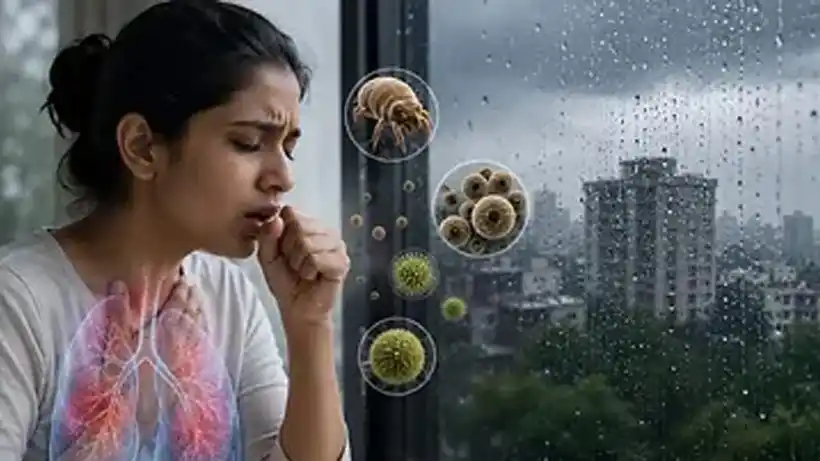
వాతావరణ మార్పులు.. ఊపిరితిత్తులపై ప్రభావం
సెప్టెంబర్–అక్టోబర్లో శ్వాసకోశ సమస్యలపై అప్రమత్తత అవసరం
సెప్టెంబర్, అక్టోబర్ నెలల్లో వాతావరణంలో తరచుగా మార్పులు చోటుచేసుకుంటాయి. ఉష్ణోగ్రతల్లో హెచ్చుతగ్గులు, అధిక తేమ, బూజు, దుమ్ము, వాయు కాలుష్యం, వైరల్ ఇన్ఫెక్షన్లు వంటి కారణాలు ఈ సమయంలో శ్వాసకోశ వ్యవస్థపై ప్రభావం చూపే అవకాశం ఉంటుంది.
ముఖ్యంగా ఆస్తమా, COPD, అలర్జీలు లేదా ఇతర శ్వాసకోశ సమస్యలు ఉన్నవారు ఈ కాలంలో మరింత జాగ్రత్తగా ఉండాలి. వర్షాకాలం తగ్గి వాతావరణం మారుతున్న సమయంలో కొంతమందిలో దగ్గు, జలుబు, ఆయాసం, ఛాతి బిగుతు, శ్వాస తీసుకోవడంలో ఇబ్బంది వంటి లక్షణాలు కనిపించవచ్చు.
దుమ్ము, పొగతో జాగ్రత్త
దుమ్ము, పొగ, వాహనాల కాలుష్యం, అగరబత్తులు, దోమల కాయిల్స్, పెయింట్ లేదా ఇతర ఘాటైన వాసనలు శ్వాసనాళాలను చికాకు పెట్టవచ్చు. గాలిలో అలర్జీ కారకాలు పెరగడం వల్ల ఇప్పటికే అలర్జీ లేదా ఆస్తమా ఉన్నవారిలో లక్షణాలు మరింత ఎక్కువయ్యే అవకాశం ఉంటుంది.
అదే సమయంలో జలుబు, ఫ్లూ వంటి వైరల్ ఇన్ఫెక్షన్లు కూడా వ్యాపించవచ్చు. ఊపిరితిత్తుల సమస్యలు లేని వారిలోనూ వైరల్ శ్వాసకోశ ఇన్ఫెక్షన్లు సంభవించే అవకాశం ఉంటుంది.
ఇంటి వాతావరణం కూడా ముఖ్యమే
ఊపిరితిత్తులను ఆరోగ్యంగా ఉంచుకోవడానికి ఇంటిని శుభ్రంగా, పొడిగా ఉంచాలి. గాలి బాగా ప్రసరించేలా చూసుకోవాలి. గోడలు లేదా పైకప్పుల్లో కనిపించే బూజు, తేమ, నీటి లీకేజీలను వెంటనే తొలగించాలి.
కాలుష్యం ఎక్కువగా ఉన్న సమయంలో బయట ఎక్కువసేపు ఉండకుండా జాగ్రత్తపడటం మంచిది. అవసరమైన సందర్భాల్లో సరైన మాస్క్ ధరించడం, బయట నుంచి వచ్చిన తర్వాత చేతులను శుభ్రంగా కడుక్కోవడం వంటి సాధారణ జాగ్రత్తలు పాటించాలి.
ఆస్తమా, COPD ఉన్నవారు ప్రత్యేక జాగ్రత్తలు తీసుకోవాలి
ఆస్తమా లేదా ఇతర ఊపిరితిత్తుల సమస్యలు ఉన్నవారు వైద్యులు సూచించిన మందులను క్రమం తప్పకుండా ఉపయోగించాలి. వాతావరణం మారిందనే కారణంతో మందులను స్వయంగా ఆపడం లేదా మోతాదును మార్చడం చేయకూడదు.
ఈ లక్షణాలు కనిపిస్తే నిర్లక్ష్యం చేయకండి:
- తీవ్రమైన ఆయాసం
- శ్వాస తీసుకోవడంలో తీవ్ర ఇబ్బంది
- ఛాతి బిగుతు లేదా తీవ్రమైన అసౌకర్యం
- తగ్గని లేదా ఎక్కువకాలం కొనసాగే జ్వరం
- రక్తంతో కూడిన దగ్గు
- సాధారణం కంటే అకస్మాత్తుగా శ్వాస సమస్యలు పెరగడం
ఇలాంటి లక్షణాలు కనిపిస్తే ఆలస్యం చేయకుండా వైద్యులను సంప్రదించాలి. ముఖ్యంగా తీవ్రమైన శ్వాస ఇబ్బంది ఉంటే అత్యవసర వైద్య సహాయం పొందాలి.
వాతావరణ మార్పులను నిర్లక్ష్యం చేయకుండా.. ముందస్తు జాగ్రత్తలతో ఊపిరితిత్తుల ఆరోగ్యాన్ని కాపాడుకుందాం.
To get more interesting news, click the link below.
September–October Weather Changes May Trigger Lung Problems; Experts Advise Caution
Hyderabad: As the weather transitions through September and October, fluctuations in temperature, humidity, indoor dampness, mold, dust, allergens and air pollution can create conditions that aggravate respiratory symptoms in some people. Those living with asthma, COPD and respiratory allergies may need to take particular care during periods of changing weather.
Weather itself is not the only factor. Changes in humidity, exposure to mold and pollen, air pollution and respiratory infections can interact with existing conditions and trigger symptoms such as coughing, wheezing, chest tightness and shortness of breath. The U.S. Centers for Disease Control and Prevention (CDC) lists high humidity, cold or dry air, infections, mold, pollen, smoke and air pollution among potential asthma triggers. (CDC)
Why September and October Can Be Important for Lung Health
The transition from the rainy season to drier conditions can change indoor and outdoor air quality. Areas that remain damp after rainfall may develop mold, while changes in temperature and humidity can influence allergens in the environment.
For people who are sensitive to mold, exposure can cause coughing, wheezing, nasal symptoms and other respiratory complaints. People with asthma or chronic lung disease can be particularly sensitive to damp and moldy environments.
This makes September–October weather changes and lung health an important seasonal health-awareness issue, particularly for people who already experience breathing difficulties.
Asthma Symptoms May Worsen With Weather and Air Pollution
Asthma and weather changes are closely linked for some individuals. CDC guidance identifies weather conditions such as high humidity, thunderstorms and cold, dry air as possible asthma triggers. Viral infections associated with colds and flu can also trigger asthma symptoms.
Air pollution is another important concern. Fine particulate matter, including PM2.5, can penetrate deep into the lungs, while pollution can aggravate symptoms in people with asthma and other lung diseases such as COPD.
Therefore, people searching for information on lung health, asthma symptoms, COPD care, breathing problems and respiratory health should pay attention not only to temperature but also to air quality and potential environmental triggers.
Dust, Smoke and Strong Odours Can Irritate the Airways
Dust, vehicle emissions, smoke, incense, mosquito coils and strong chemical fragrances can irritate the respiratory tract. For people with sensitive airways, repeated exposure may worsen coughing, wheezing or breathing discomfort.
Particle pollution includes dust, soot and smoke. According to the CDC, people with asthma or COPD can be particularly affected by particle pollution, and symptoms may become worse when pollution levels are high.
Reducing unnecessary exposure to dust and air pollution can therefore form an important part of respiratory health management.
Mold and Humidity: A Hidden Indoor Risk
One of the important lung health tips during weather changes is to control indoor moisture.
Mold commonly develops in damp areas, particularly around leaking roofs, walls, pipes and water-damaged materials. CDC guidance recommends addressing moisture problems and keeping indoor humidity at or below 50% where possible to reduce mold growth.
Homes should therefore be kept clean, dry and adequately ventilated. Water leaks should be repaired promptly, while visible or musty-smelling mold should not be ignored.
Viral Respiratory Infections Can Also Affect Lung Health
Seasonal changes can coincide with increased circulation of respiratory viruses. Colds and flu can produce symptoms such as cough, congestion, fever and fatigue, while respiratory infections may be more significant for people who already have asthma or chronic lung conditions.
People with underlying respiratory conditions should follow their healthcare provider’s treatment plan and take prescribed medicines as directed. Asthma should not be managed by stopping or changing prescribed medication without medical advice. (CDC)
Simple Ways to Protect Your Lungs
Health experts generally recommend reducing exposure to known respiratory triggers and maintaining good indoor air quality. Important lung health tips include:
- Keep the home clean, dry and well ventilated.
- Identify and repair water leaks quickly.
- Remove or safely address visible mold and moisture problems.
- Avoid cigarette smoke and unnecessary exposure to dust and fumes.
- Reduce exposure to heavy air pollution when possible.
- Use appropriate respiratory protection when exposure to dust or pollution cannot be avoided.
- Maintain good hand hygiene.
- Follow prescribed asthma or COPD treatment plans.
- Monitor symptoms when weather or air-quality conditions change.
- Seek medical advice when respiratory symptoms are persistent or worsening.
For people with pollen sensitivity, limiting outdoor exposure when pollen levels are high and following prescribed allergy or asthma medication plans may also help. (CDC)
When Should You Seek Medical Attention?
A mild cough or cold may settle with time, but certain symptoms require prompt medical attention. Severe shortness of breath, significant chest tightness, persistent or worsening symptoms, coughing up blood, or difficulty breathing should not be ignored.
People with asthma or COPD who experience a significant worsening of their usual symptoms should follow their individual medical action plan and contact a healthcare professional when necessary.
September–October Weather Changes and Lung Health: Prevention Is Key
September–October weather changes and lung health deserve attention because several factors—including humidity, mold, allergens, respiratory infections and air pollution—can affect breathing at the same time.
Taking practical precautions at home, limiting exposure to known triggers and following prescribed treatment can help people with asthma, COPD and respiratory allergies manage their risks. At the same time, persistent or severe breathing symptoms should be evaluated by a qualified healthcare professional rather than being attributed solely to seasonal weather changes.
Satya Telangana is a Telugu daily newspaper delivering the latest news and updates