
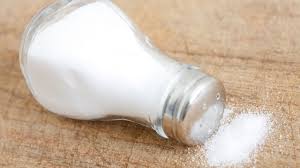
అధిక ఉప్పు వాడకం వల్ల కాల్షియం లోపం, ఆరోగ్య సమస్యలు పెరుగుతున్నాయి
మన రోజువారీ ఆహారంలో ఉప్పు (Salt) ఎంతో ముఖ్యమైనది. ఏ వంటలోనైనా ఉప్పు లేకపోతే రుచి అసలు తెలియదు. కానీ ఈ ఉప్పు ఆరోగ్యానికి ఎంత అవసరమో, అదే సమయంలో ఎక్కువగా తీసుకుంటే అంతే ప్రమాదకరమని ఆరోగ్య నిపుణులు చెబుతున్నారు. ముఖ్యంగా అధిక ఉప్పు వాడకం (High Salt Intake) వల్ల శరీరంలో పలు సమస్యలు తలెత్తే అవకాశం ఉంది.
World Health Organization (WHO) సూచనల ప్రకారం, రోజుకు 5 గ్రాముల కంటే తక్కువ ఉప్పు తీసుకోవడం ఆరోగ్యానికి మంచిది. కానీ చాలా మంది ఈ పరిమితిని మించి ఉప్పు తీసుకుంటున్నారు. ఇది హై బీపీ (High Blood Pressure), గుండె జబ్బులు (Heart Disease), కిడ్నీ సమస్యలు (Kidney Problems) వంటి తీవ్రమైన సమస్యలకు దారితీస్తుంది.
అదేవిధంగా, అధికంగా ఉప్పు తీసుకోవడం వల్ల శరీరంలోని కాల్షియం లోపం (Calcium Deficiency) పెరుగుతుంది. ఎక్కువ ఉప్పు వాడకం వల్ల మూత్రం ద్వారా కాల్షియం బయటకు వెళ్లిపోతుంది. దీంతో ఎముకలు బలహీనపడటం, దంతాల సమస్యలు రావడం జరుగుతుంది. ముఖ్యంగా ఎముకల బలహీనత (Bone Weakness), ఆస్టియోపోరోసిస్ (Osteoporosis) వంటి సమస్యలు పెరిగే ప్రమాదం ఉంటుంది.
ఈ సమస్యలు ఎక్కువగా మహిళలు, వృద్ధులు, ఇప్పటికే కాల్షియం లోపం ఉన్నవారు వద్ద ఎక్కువగా కనిపిస్తాయి. కాబట్టి ఉప్పు వినియోగం తగ్గించడం (Reduce Salt Intake) చాలా అవసరం.
అయితే, ఉప్పును పూర్తిగా మానేయాల్సిన అవసరం లేదు. మితంగా ఉప్పు వాడకం (Moderate Salt Consumption) ఆరోగ్యానికి మంచిది. అదే సమయంలో కాల్షియం అధికంగా ఉండే ఆహారం (Calcium Rich Foods) తీసుకోవడం కూడా ఎంతో ముఖ్యం. పాలు, పెరుగు, ఆకుకూరలు, బాదం వంటి ఆహారాలు ఎముకల బలాన్ని పెంచుతాయి.
ముఖ్య సూచనలు (Health Tips):
- రోజుకు 5 గ్రాముల కంటే ఎక్కువ ఉప్పు తీసుకోకండి
- ప్యాకేజ్డ్ ఫుడ్స్, జంక్ ఫుడ్ తగ్గించండి
- కాల్షియం అధికంగా ఉన్న ఆహారం తీసుకోండి
- ఆరోగ్యకరమైన జీవనశైలి పాటించండి
మొత్తానికి, ఉప్పు ఆరోగ్యం (Salt and Health) మధ్య సమతుల్యత చాలా ముఖ్యం. సరైన ఆహార అలవాట్లు పాటిస్తే హై బీపీ, కాల్షియం లోపం, గుండె జబ్బులు వంటి సమస్యలను సులభంగా నివారించవచ్చు.
To get more interesting news, click the link below.
High Salt Intake Linked to Calcium Deficiency and Health Risks

Excessive salt consumption has become a growing health concern worldwide, especially with the increasing intake of processed and packaged foods. While salt is a basic and essential ingredient in daily meals, experts warn that high salt intake can silently damage overall health if not controlled.
Salt plays a crucial role in maintaining fluid balance, supporting nerve function, and helping muscles work properly. However, when salt consumption exceeds recommended limits, it begins to negatively impact the body. According to the World Health Organization (WHO), adults should limit their daily salt intake to less than 5 grams. Unfortunately, most people consume far more than this, often without realizing it.
One of the major health risks associated with high salt intake is high blood pressure (hypertension). Excess sodium causes the body to retain water, which increases pressure on blood vessels. Over time, this can lead to serious conditions such as heart disease, stroke, and kidney problems. These are among the leading causes of death globally, making salt reduction a critical public health priority.
In addition to cardiovascular issues, high salt intake also affects bone health. Studies show that consuming too much salt can increase calcium loss through urine, leading to calcium deficiency. Calcium is essential for maintaining strong bones and teeth, and its deficiency can result in bone weakness, reduced bone density, and a higher risk of osteoporosis, especially in older adults and women.
The impact is even more significant in people who already have low calcium levels or poor dietary habits. For them, continued excess salt consumption can accelerate bone loss and increase the chances of fractures and long-term skeletal problems.
Health experts emphasize that salt should not be completely eliminated from the diet, as it is necessary in small amounts. Instead, the focus should be on reducing salt intake and making healthier food choices. Avoiding processed foods, fast food, and high-sodium snacks can significantly lower daily salt consumption.
At the same time, increasing the intake of calcium rich foods is equally important. Foods such as milk, yogurt, cheese, leafy green vegetables, almonds, and fortified foods help maintain calcium balance and support bone health. Combining a low-salt diet with adequate calcium intake can effectively reduce the risk of both cardiovascular and bone-related diseases.
Simple lifestyle changes can make a big difference. Reading food labels, cooking meals at home with controlled salt levels, and choosing fresh ingredients over processed ones are practical steps toward better health.
In conclusion, while salt remains an essential part of the diet, high salt intake poses serious risks including high blood pressure, calcium deficiency, and bone health issues. By maintaining a balanced healthy diet, reducing salt consumption, and increasing calcium intake, individuals can protect their long-term health and well-being.
Satya Telangana is a Telugu daily newspaper delivering the latest news and updates.