రోజుకు 60 సెకన్ల ప్లాంక్.. బీపీ కంట్రోల్ అవుతుందా? నిపుణులు ఏమంటున్నారంటే!
హైదరాబాద్: అధిక రక్తపోటు లేదా హై బీపీ (High Blood Pressure) ప్రస్తుతం చాలామందిని వేధిస్తున్న ఆరోగ్య సమస్యల్లో ఒకటి. బీపీని నియంత్రించేందుకు మందులతో పాటు జీవనశైలిలో మార్పులు, సమతుల్య ఆహారం, తగిన శారీరక వ్యాయామం ఎంతో ముఖ్యమని వైద్య నిపుణులు చెబుతున్నారు. రోజూ జిమ్కు వెళ్లడం సాధ్యం కానివారికి ఇంట్లోనే చేయగలిగే సులభమైన వ్యాయామాలు కూడా ఉపయోగకరంగా ఉంటాయి. అలాంటి వ్యాయామాల్లో ప్లాంక్ ఎక్సర్సైజ్ (Plank Exercise) ఒకటి.
ప్లాంక్ సాధారణంగా పొట్ట, వీపు, భుజాలు, చేతులు, కాళ్ల కండరాలను బలోపేతం చేయడానికి చేసే వ్యాయామంగా చాలామందికి తెలుసు. అయితే ప్లాంక్ వంటి ఐసోమెట్రిక్ వ్యాయామాలు (Isometric Exercises) రక్తపోటును నియంత్రించడంలో కూడా కొంత ప్రయోజనం కలిగించవచ్చని పరిశోధనలు సూచిస్తున్నాయి.
అయితే కేవలం 60 సెకన్ల ప్లాంక్ చేస్తే బీపీ వెంటనే తగ్గిపోతుంది అని భావించడం సరైంది కాదు. బీపీ నియంత్రణ అనేది ఆహారం, వ్యాయామం, బరువు, నిద్ర, ఒత్తిడి నియంత్రణ, మందులు వంటి అనేక అంశాలపై ఆధారపడి ఉంటుంది.
ప్లాంక్ అంటే ఏమిటి?
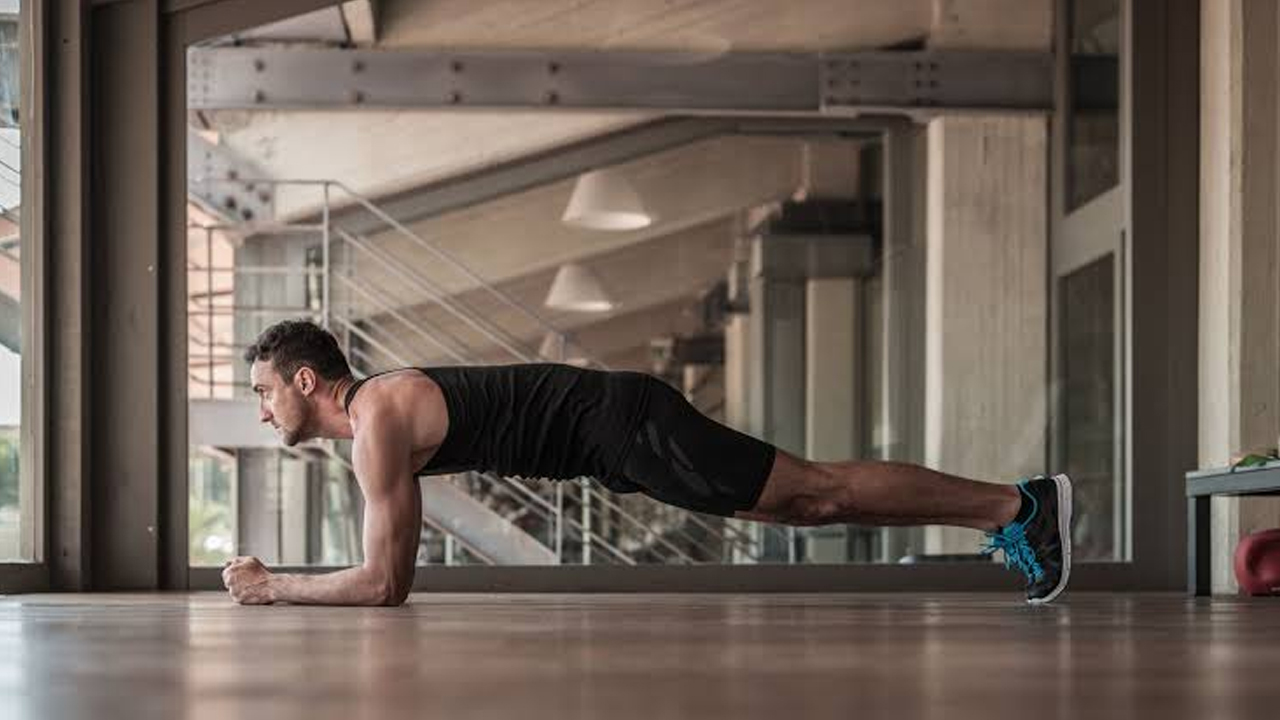
ప్లాంక్ అనేది ఐసోమెట్రిక్ వ్యాయామం. ఇందులో శరీరాన్ని ఒక స్థిరమైన భంగిమలో ఉంచి కండరాలను బిగించి ఉంచుతారు. ఇతర వ్యాయామాల మాదిరిగా ఎక్కువగా కదలిక ఉండదు. కానీ కండరాలు నిరంతరం పనిచేస్తూనే ఉంటాయి.
ప్లాంక్ చేస్తున్నప్పుడు ముఖ్యంగా కోర్ మసిల్స్, పొట్ట కండరాలు, భుజాలు, వీపు, చేతులు, కాళ్ల కండరాలు పనిచేస్తాయి. అందువల్ల ఇది శరీరంలోని అనేక కండరాలను ఒకేసారి ఉపయోగించే వ్యాయామంగా పరిగణిస్తారు.
వాల్ సిట్, హ్యాండ్ గ్రిప్ హోల్డ్ వంటి వ్యాయామాలు కూడా ఐసోమెట్రిక్ వ్యాయామాలే.
60 సెకన్ల ప్లాంక్తో బీపీ తగ్గుతుందా?
ఇది చాలామందికి ఉన్న ముఖ్యమైన సందేహం. ప్లాంక్ చేయడం వల్ల రక్తపోటు నియంత్రణకు సహాయం లభించే అవకాశం ఉందని కొన్ని పరిశోధనలు సూచిస్తున్నాయి. ముఖ్యంగా ఐసోమెట్రిక్ వ్యాయామాలపై జరిగిన పరిశోధనల్లో రక్తపోటుపై సానుకూల ప్రభావాలు కనిపించాయి.
270 క్లినికల్ ట్రయల్స్ నుంచి సేకరించిన డేటాను విశ్లేషించిన ఒక అధ్యయనంలో ఐసోమెట్రిక్ వ్యాయామాలు సిస్టోలిక్ మరియు డయాస్టోలిక్ బీపీ తగ్గించడంలో ప్రయోజనకరంగా ఉండవచ్చని సూచించింది.
అయితే ఇక్కడ ఒక విషయం గుర్తుంచుకోవాలి. ప్లాంక్ ఒక్కటే హై బీపీకి చికిత్స కాదు. 60 సెకన్ల పాటు ప్లాంక్ చేయడం వల్ల వెంటనే రక్తపోటు సాధారణ స్థాయికి వస్తుందని చెప్పడానికి తగిన ఆధారాలు లేవు.
క్రమం తప్పకుండా, సరైన పద్ధతిలో వ్యాయామం చేయడం ద్వారా దీర్ఘకాలికంగా బీపీ నియంత్రణకు సహాయం లభించవచ్చు.
ప్లాంక్ సమయంలో శరీరంలో ఏం జరుగుతుంది?
ప్లాంక్లో శరీరాన్ని స్థిరంగా ఉంచడానికి అనేక కండరాలు ఒకేసారి పనిచేస్తాయి. దీనివల్ల కండరాలపై నిరంతర ఒత్తిడి ఏర్పడుతుంది.
ఐసోమెట్రిక్ వ్యాయామాల సమయంలో రక్తనాళాలు, రక్తప్రసరణపై తాత్కాలిక మార్పులు చోటుచేసుకోవచ్చు. వ్యాయామం పూర్తయ్యాక రక్తనాళాల పనితీరులో ఏర్పడే అనుకూల మార్పులు దీర్ఘకాలంలో విశ్రాంతి సమయంలో ఉండే బ్లడ్ ప్రెజర్ను తగ్గించడంలో సహాయపడే అవకాశం ఉందని పరిశోధనలు సూచిస్తున్నాయి.
అయితే ప్రతి వ్యక్తిలో ఫలితం ఒకే విధంగా ఉండదు. వయస్సు, ఆరోగ్య పరిస్థితి, ఫిట్నెస్ స్థాయి, బీపీ స్థాయి, తీసుకుంటున్న మందులు వంటి అంశాలు ప్రభావితం చేస్తాయి.
రోజూ ప్లాంక్ ఎంతసేపు చేయాలి?
ప్లాంక్కు కొత్తగా అలవాటు పడుతున్నవారు ఎక్కువ సమయం ప్లాంక్ చేయడానికి ప్రయత్నించకూడదు.
ప్రారంభంలో:
- 20–30 సెకన్ల పాటు ప్లాంక్ చేయవచ్చు.
- శరీరానికి అలవాటు అయిన తర్వాత సమయాన్ని క్రమంగా పెంచుకోవచ్చు.
- సాధ్యమైతే 45–60 సెకన్ల వరకు తీసుకెళ్లవచ్చు.
- సరైన భంగిమను కొనసాగించడం సమయం కంటే ముఖ్యం.
- ప్లాంక్ చేస్తున్నప్పుడు శ్వాసను బిగబట్టకూడదు.
- శరీరాన్ని సాధ్యమైనంత వరకు నిటారుగా ఉంచాలి.
60 సెకన్ల ప్లాంక్ చేయగలగడం కంటే సరైన టెక్నిక్తో ప్లాంక్ చేయడం ముఖ్యం.
ప్లాంక్ చేసేటప్పుడు సాధారణంగా చేసే తప్పులు
ప్లాంక్ సులభమైన వ్యాయామంలా కనిపించినప్పటికీ తప్పుగా చేస్తే శరీరంపై అనవసర ఒత్తిడి పడవచ్చు.
ముఖ్యంగా ఈ తప్పులు చేయకండి:
- నడుమును ఎక్కువగా కిందికి వంచడం.
- నడుమును పైకి ఎక్కువగా ఎత్తడం.
- మెడను ఎక్కువగా పైకి ఎత్తడం.
- శ్వాసను బిగబట్టడం.
- శరీరం కంపిస్తున్నప్పటికీ బలవంతంగా ఎక్కువసేపు కొనసాగించడం.
- నొప్పి వచ్చినా వ్యాయామాన్ని ఆపకుండా చేయడం.
అధిక రక్తపోటు ఉన్నవారు ప్లాంక్ చేయవచ్చా?
హై బీపీ ఉన్నవారు వ్యాయామం ప్రారంభించే ముందు వైద్యుల సలహా తీసుకోవడం మంచిది. ముఖ్యంగా బీపీ చాలా ఎక్కువగా ఉండటం, గుండె సంబంధిత సమస్యలు ఉండటం, ఛాతి నొప్పి, శ్వాస తీసుకోవడంలో ఇబ్బంది లేదా ఇతర ఆరోగ్య సమస్యలు ఉన్నవారు స్వయంగా కఠినమైన వ్యాయామాలు ప్రారంభించకూడదు.
ఐసోమెట్రిక్ వ్యాయామాల సమయంలో వ్యాయామం చేస్తున్న క్షణంలో రక్తపోటు తాత్కాలికంగా పెరగవచ్చు. అందువల్ల హై బీపీ ఉన్న ప్రతి ఒక్కరికీ ఒకే విధమైన వ్యాయామ విధానం సరిపోదు.
బీపీ నియంత్రణకు ప్లాంక్ ఒక్కటే సరిపోతుందా?
లేదు. రక్తపోటు నియంత్రణకు సమగ్ర జీవనశైలి మార్పులు అవసరం.
నియమిత శారీరక వ్యాయామంతో పాటు:
- ఉప్పు తీసుకోవడం తగ్గించడం
- కూరగాయలు, పండ్లు అధికంగా తీసుకోవడం
- ఆరోగ్యకరమైన బరువును కొనసాగించడం
- ధూమపానం, పొగాకు నివారించడం
- మద్యపానాన్ని పరిమితం చేయడం
- తగినంత నిద్రపోవడం
- ఒత్తిడిని తగ్గించడం
- వైద్యులు సూచించిన బీపీ మందులను క్రమం తప్పకుండా తీసుకోవడం
వంటి చర్యలు హై బీపీ నియంత్రణలో ముఖ్యమైనవి.
ప్లాంక్తో పాటు మరే వ్యాయామాలు చేయవచ్చు?
బీపీ నియంత్రణ కోసం కేవలం ప్లాంక్పైనే ఆధారపడకుండా, మీ శారీరక సామర్థ్యానికి అనుగుణంగా ఇతర వ్యాయామాలను కూడా కలపవచ్చు.
వాకింగ్, సైక్లింగ్, స్విమ్మింగ్, తేలికపాటి ఏరోబిక్ వ్యాయామాలు, స్ట్రెంగ్త్ ట్రైనింగ్ వంటి వ్యాయామాలు కూడా ఆరోగ్యానికి ఉపయోగకరంగా ఉంటాయి.
వ్యాయామం ప్రారంభించే ముందు మీ వయస్సు, ఆరోగ్య పరిస్థితి, ఫిట్నెస్ స్థాయికి అనుగుణంగా సరైన వ్యాయామ విధానాన్ని ఎంచుకోవడం మంచిది.
చివరగా…
ప్లాంక్ వ్యాయామం బీపీ నియంత్రణకు సహాయపడగల సులభమైన ఐసోమెట్రిక్ వ్యాయామాల్లో ఒకటి కావచ్చు. అయితే రోజుకు 60 సెకన్ల ప్లాంక్ చేస్తే అధిక రక్తపోటు పూర్తిగా తగ్గిపోతుందని లేదా బీపీ మందులు అవసరం ఉండవని భావించడం తప్పు.
క్రమం తప్పకుండా వ్యాయామం + ఆరోగ్యకరమైన ఆహారం + బరువు నియంత్రణ + ఒత్తిడి తగ్గింపు + వైద్యుల సూచనలు కలిసి పనిచేసినప్పుడే రక్తపోటును మెరుగ్గా నియంత్రించుకోవచ్చు.
To get more interesting news, click the link below.
Can a 60-Second Plank Help Lower Blood Pressure? Know the Benefits of Plank Exercise for Heart Health
New Delhi: Regular physical activity plays an important role in maintaining healthy blood pressure and reducing the risk of several lifestyle-related health problems. While many people associate exercise with going to the gym, several simple exercises can be performed at home without expensive equipment. Plank exercise is one such workout that can help strengthen multiple muscle groups and may also support cardiovascular health.
Recent research on isometric exercises has highlighted their potential role in blood pressure control. However, experts caution that doing a plank for 60 seconds does not mean that high blood pressure will immediately return to normal. Plank exercise should be considered part of an overall healthy lifestyle rather than a replacement for prescribed blood pressure treatment.
What Is Plank Exercise?
A plank is an isometric exercise in which a person holds the body in a fixed position while keeping the muscles engaged. Unlike exercises that involve repeated movement, an isometric exercise involves maintaining muscle tension without significant movement of the joints.
During a plank, several muscle groups work simultaneously, including the core, abdominal muscles, shoulders, back and legs.
Other common examples of isometric exercises include wall sits and hand-grip holds.
These exercises can improve muscular strength and endurance. Research also suggests that regular isometric exercise may influence vascular function and could contribute to improvements in blood pressure over time.
Can a 60-Second Plank Lower Blood Pressure?
One of the most common questions surrounding plank exercise and blood pressure is whether holding a plank for 60 seconds can actually lower BP.
Research suggests that regular isometric exercise may help reduce both systolic and diastolic blood pressure in some people.
An analysis of data from 270 clinical trials examined the effects of different types of exercise on blood pressure. The findings indicated that isometric exercise can produce significant reductions in blood pressure and may be particularly useful as part of an exercise programme.
However, this does not mean that a 60-second plank will immediately lower high blood pressure.
Blood pressure naturally changes during exercise. Holding a plank can temporarily affect cardiovascular responses because several large muscle groups are working simultaneously. Following regular exercise, adaptations in vascular function may contribute to better resting blood pressure over time.
Therefore, the potential benefit comes from consistent exercise over time, rather than from completing one 60-second plank session.
How Does Plank Exercise Work?
When performing a plank, the abdominal and core muscles contract continuously to keep the body stable. The shoulders, arms, back and legs also contribute to maintaining the position.
Because the muscles remain under tension, the exercise places a different type of demand on the cardiovascular system compared with dynamic exercises.
Studies investigating isometric exercise and blood pressure suggest that repeated sessions may help improve blood pressure regulation.
However, individual responses can vary depending on age, fitness level, existing medical conditions, medications and the intensity of exercise.
How to Do a Plank Correctly
People who are new to plank exercise should begin with a manageable duration instead of trying to hold the position for as long as possible.
Follow these basic steps:
- Start with a plank hold of around 20–30 seconds.
- Gradually increase the duration as your strength improves.
- Keep your body as straight as possible from your shoulders to your legs.
- Engage your abdominal and core muscles.
- Keep your neck in a neutral position.
- Continue breathing normally throughout the exercise.
- Stop if you experience significant pain, dizziness, unusual breathlessness or discomfort.
Once you become comfortable with the exercise, you may gradually work towards a 60-second plank, provided you can maintain proper form.
Why Is Breathing Important During a Plank?
One common mistake during plank exercise is holding the breath.
Breathing normally is important because deliberately holding your breath during an isometric exercise can affect blood pressure and increase cardiovascular strain.
Instead of concentrating only on how long you can hold a plank, focus on proper posture, controlled breathing and safe technique.
Can People With High Blood Pressure Do Planks?
People with high blood pressure or hypertension should be cautious when starting a new exercise routine.
Isometric exercises can temporarily increase blood pressure during the effort itself. Therefore, people with uncontrolled hypertension or existing cardiovascular conditions should discuss their exercise plan with a healthcare professional before starting strenuous isometric exercises.
Anyone experiencing chest pain, severe breathlessness, dizziness or other concerning symptoms during exercise should stop exercising and seek appropriate medical attention.
Is Plank Exercise Enough to Control High Blood Pressure?
No. Plank exercise alone is not a treatment for hypertension.
Effective blood pressure control generally involves a combination of healthy lifestyle measures and, when prescribed, appropriate medication.
Important measures can include:
- Regular physical activity
- Maintaining a healthy body weight
- Following a balanced diet
- Reducing excessive salt intake
- Eating more fruits and vegetables
- Getting adequate sleep
- Managing stress
- Avoiding tobacco
- Limiting alcohol intake
- Taking prescribed blood pressure medicines regularly
Plank exercise can potentially form one component of an overall fitness programme, but it should not replace medical treatment.
What Other Exercises Can Help With Blood Pressure?
People looking to improve their blood pressure through exercise can consider a variety of activities depending on their fitness level and medical condition.
These may include:
- Brisk walking
- Cycling
- Swimming
- Aerobic exercise
- Strength training
- Moderate-intensity physical activity
- Isometric exercises
A combination of aerobic and strength-based activity may provide broader health benefits than relying on a single exercise.
Plank Exercise and Heart Health
Regular physical activity is widely recognised as an important component of cardiovascular health. Plank exercise primarily targets muscular strength and core stability, while its potential effects on blood pressure are being studied in the broader context of isometric exercise.
The important point is consistency.
A person does not need to spend hours in a gym to become physically active. Simple home-based exercises, regular walking and other forms of physical activity can help build a healthier daily routine.
60-Second Plank: What Should You Remember?
A 60-second plank can be a useful fitness target for some people, but the goal should not be to hold the position at any cost.
For beginners, 20–30 seconds may be sufficient initially. As strength and technique improve, the duration can gradually increase.
More importantly, maintaining proper form and breathing normally is essential.
The Bottom Line
Plank exercise may offer more than just stronger abdominal and core muscles. Research on isometric exercise suggests that regular practice may also support blood pressure control.
However, there is an important distinction between saying that isometric exercise can help lower blood pressure over time and claiming that a single 60-second plank can immediately lower high blood pressure. The latter should not be assumed.
For people with hypertension, heart disease or other cardiovascular conditions, professional medical advice is recommended before beginning a new exercise programme.
Regular exercise, a healthy diet, weight management, stress control and appropriate medical treatment remain the key pillars of long-term blood pressure management.
Satya Telangana is a Telugu daily newspaper delivering the latest news and updates