
ఏపీ స్థానిక సంస్థల ఎన్నికల్లో బీసీ 34% రిజర్వేషన్లకు బ్రేక్?
34% బీసీ రిజర్వేషన్ జీవోలు కొట్టివేత.. 50% పరిమితి దాటరాదన్న సుప్రీంకోర్టు మార్గదర్శకాలు కీలకం
ఆరు వారాల్లో స్థానిక సంస్థల ఎన్నికల ప్రక్రియ పూర్తి చేయాలని ఎస్ఈసీకి ఆదేశాలు.. బీసీ జనగణన తర్వాతే ఎన్నికలు నిర్వహించాలన్న పిటిషన్ కొట్టివేత
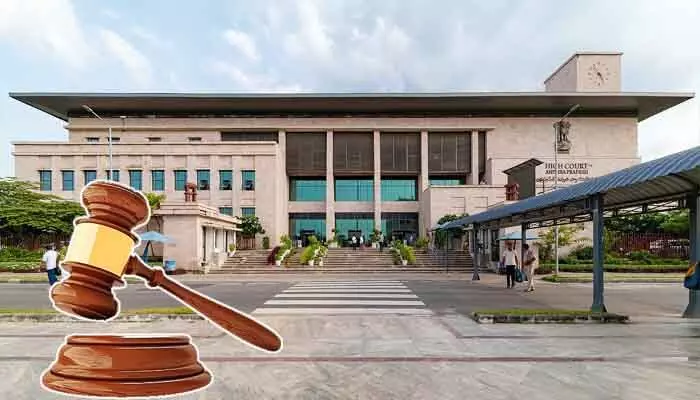
అమరావతి: ఆంధ్రప్రదేశ్లో స్థానిక సంస్థల ఎన్నికల నిర్వహణ, బీసీ రిజర్వేషన్ల అంశంపై హైకోర్టు కీలక తీర్పు వెలువరించింది. స్థానిక సంస్థల ఎన్నికల్లో బీసీలకు 34 శాతం రిజర్వేషన్లు కల్పిస్తూ రాష్ట్ర ప్రభుత్వం జారీ చేసిన రెండు జీవోలను హైకోర్టు కొట్టివేసినట్లు కోర్టు పరిణామాలపై అందిన సమాచారం వెల్లడిస్తోంది. అదే సమయంలో గ్రామ పంచాయతీలు, పట్టణ స్థానిక సంస్థలకు ఎన్నికలు నిర్వహించడంలో జాప్యం చేయరాదని స్పష్టం చేస్తూ, ఆరు వారాల్లో ఎన్నికల ప్రక్రియను పూర్తి చేయాలని రాష్ట్ర ఎన్నికల సంఘాన్ని (SEC) ఆదేశించినట్లు సమాచారం.
34% బీసీ రిజర్వేషన్లపై న్యాయపోరాటం
స్థానిక సంస్థల ఎన్నికల్లో బీసీలకు 34% రిజర్వేషన్ కల్పిస్తూ ప్రభుత్వం జారీ చేసిన ఉత్తర్వులను సవాల్ చేస్తూ న్యాయవాది తాండవ యోగేష్ ఆంధ్రప్రదేశ్ హైకోర్టులో ప్రజాప్రయోజన వ్యాజ్యం దాఖలు చేశారు. పంచాయతీరాజ్ సంస్థల్లో 34 శాతం, పట్టణ స్థానిక సంస్థల్లో 33.33 శాతం బీసీ రిజర్వేషన్ కల్పించేలా ప్రభుత్వం నిర్ణయం తీసుకున్న నేపథ్యంలో ఈ పిటిషన్లు దాఖలయ్యాయి.
ఈ వ్యవహారంపై విచారణ సందర్భంగా హైకోర్టు గతంలోనే ప్రభుత్వం నుంచి 34 శాతం రిజర్వేషన్కు సంబంధించిన గణాంకాలు, ఆధారాలు, నిర్ణయ ప్రక్రియ వివరాలను కోరింది. రాజీవ్ రంజన్ మిశ్రా కమిషన్ నివేదిక, యూనిఫైడ్ ఫ్యామిలీ సర్వే వంటి అంశాలను ప్రభుత్వం తన వాదనలో ప్రస్తావించింది.
50 శాతం రిజర్వేషన్ పరిమితి కీలక అంశం
ఈ కేసులో ప్రధానంగా చర్చకు వచ్చిన అంశం స్థానిక సంస్థల్లో మొత్తం రిజర్వేషన్లు 50 శాతం దాటవచ్చా? అన్నదే.
సుప్రీంకోర్టు రాజ్యాంగ ధర్మాసనం K. Krishnamurthy కేసులో స్థానిక స్వపరిపాలనా సంస్థల్లో SC, ST, OBCలకు కలిపిన vertical reservation సాధారణంగా 50 శాతం పరిమితిని మించకూడదని స్పష్టం చేసింది. Scheduled Areasలో STలకు సంబంధించిన ప్రత్యేక పరిస్థితులకు మినహాయింపులు ఉన్నప్పటికీ, సాధారణ ప్రాంతాల్లో BC రిజర్వేషన్లను సమర్థించేందుకు నిర్దిష్ట empirical data అవసరమని తదుపరి తీర్పుల్లోనూ న్యాయస్థానం పేర్కొంది.
అంతేకాకుండా, OBC రిజర్వేషన్ల విషయంలో dedicated commission, సమకాలీన empirical inquiry, స్థానిక సంస్థల వారీగా అవసరమైన రిజర్వేషన్ పరిమాణం నిర్ణయించడం వంటి అంశాలు కీలకంగా మారాయి.
‘బీసీ జనగణన తర్వాతే ఎన్నికలు’ పిటిషన్కు నో
బీసీలకు సంబంధించిన సమగ్ర జనగణన నిర్వహించి, ఆ గణాంకాల ఆధారంగా రిజర్వేషన్లు ఖరారు చేసిన తరువాతే ఆంధ్రప్రదేశ్ స్థానిక సంస్థల ఎన్నికలు నిర్వహించాలని కోరుతూ దాఖలైన ప్రజాప్రయోజన వ్యాజ్యాన్ని కూడా హైకోర్టు తిరస్కరించినట్లు సమాచారం.
అంటే, బీసీ జనగణన – బీసీ రిజర్వేషన్ – స్థానిక సంస్థల ఎన్నికలు అనే మూడు అంశాలను ఒకదానితో ఒకటి అనుసంధానించి ఎన్నికలను వాయిదా వేయాలన్న అభ్యర్థనకు కోర్టు అంగీకరించలేదు.
‘SIR’ పేరుతో ఎన్నికల వాయిదా వద్దు
ఇక ఓటర్ల జాబితా సవరణకు సంబంధించిన Special Intensive Revision (SIR) ప్రక్రియ కొనసాగుతున్నందున స్థానిక సంస్థల ఎన్నికలను వాయిదా వేయాలని కోరిన పిటిషన్పైనా హైకోర్టు కీలక వ్యాఖ్యలు చేసినట్లు సమాచారం.
SIR ప్రక్రియ జరుగుతోంది అన్న కారణంతో స్థానిక సంస్థల ఎన్నికలను వాయిదా వేయడం సముచితం కాదని కోర్టు స్పష్టం చేసినట్లు తెలుస్తోంది.
అయితే తుది ఓటర్ల జాబితా ప్రచురణ విషయంలో పంచాయతీరాజ్, పురపాలక శాఖలు సంబంధిత చట్టాలు, నిబంధనలకు అనుగుణంగా వ్యవహరించాలని హైకోర్టు సూచించింది.
ఆరు వారాల్లో ఎన్నికల ప్రక్రియ పూర్తి
గ్రామ పంచాయతీలు, పట్టణ స్థానిక సంస్థలకు తక్షణమే ఎన్నికలు నిర్వహించాలని కోరుతూ దాఖలైన ప్రజాహిత వ్యాజ్యాలను హైకోర్టు అనుమతించినట్లు సమాచారం.
ఈ నేపథ్యంలో ఆరు వారాల్లో స్థానిక సంస్థల ఎన్నికల ప్రక్రియను పూర్తి చేయాలని రాష్ట్ర ఎన్నికల సంఘానికి (AP SEC) ఆదేశాలు జారీ చేసినట్లు పేర్కొంటున్నారు.
దీంతో రాష్ట్రంలో పెండింగ్లో ఉన్న గ్రామ పంచాయతీ ఎన్నికలు, మున్సిపల్ ఎన్నికలు, స్థానిక సంస్థల ఎన్నికల షెడ్యూల్పై ఆసక్తి పెరిగింది.
వైసీపీ పిటిషన్ డిస్పోజ్
SIR ప్రక్రియ పూర్తయిన తర్వాతే స్థానిక సంస్థల ఎన్నికలు నిర్వహించేలా రాష్ట్ర ఎన్నికల సంఘాన్ని ఆదేశించాలని కోరుతూ వైఎస్సార్సీపీ తరఫున దాఖలైన వ్యాజ్యాన్ని ధర్మాసనం డిస్పోజ్ చేసినట్లు సమాచారం.
తుది ఓటర్ల జాబితా, ఎన్నికల ప్రక్రియ, SIR తదితర అంశాలపై రాజకీయ పార్టీల మధ్య భిన్నాభిప్రాయాలు వ్యక్తమైనప్పటికీ, ఎన్నికల ప్రక్రియను నిరవధికంగా వాయిదా వేయడానికి కోర్టు అంగీకరించలేదనే విషయం ఈ పరిణామంలో ప్రధానంగా నిలిచింది.
సర్పంచ్ ఎన్నికల్లో BC ఉపవర్గీకరణ పిటిషన్ కూడా కొట్టివేత
సర్పంచ్ ఎన్నికల్లో బీసీలను ఉపవర్గీకరణ చేసి, ఆ మేరకు రిజర్వేషన్లు ఖరారు చేయాలని కోరుతూ దాఖలైన మరో పిటిషన్ను కూడా హైకోర్టు కొట్టివేసినట్లు సమాచారం.
దీంతో BC reservation, BC sub-categorisation, local body elections అంశాలపై దాఖలైన పలు పిటిషన్లకు ఈ తీర్పుతో ఒకేసారి పరిష్కారం లభించినట్లయింది.
వార్డుల పునర్విభజనపై జోక్యానికి నిరాకరణ
స్థానిక సంస్థల ఎన్నికలకు ముందు చేపట్టిన వార్డుల పునర్విభజన (ward delimitation) ప్రక్రియలో జోక్యం చేసుకునేందుకు కూడా హైకోర్టు నిరాకరించింది.
వార్డుల పునర్విభజనలో జోక్యం చేసుకోవడానికి నిరాకరిస్తూ సింగిల్ జడ్జి ఇచ్చిన తీర్పును సవాల్ చేస్తూ దాఖలైన అప్పీళ్లలోనూ ధర్మాసనం జోక్యం చేసుకోలేదని సమాచారం.
అలాగే సెన్సెస్ కమిషనర్ జారీ చేసిన సర్క్యులర్ వార్డుల పునర్విభజన ప్రక్రియపై ప్రభావం చూపదని కోర్టు స్పష్టం చేసినట్లు తెలుస్తోంది.
గ్రామ పంచాయతీల విలీనంపై పిటిషన్లు కొట్టివేత
రాష్ట్రంలోని కొన్ని గ్రామ పంచాయతీలను సమీపంలోని మున్సిపాలిటీల్లో విలీనం చేస్తూ 2021 జూన్ 9న తీసుకొచ్చిన ఆంధ్రప్రదేశ్ మున్సిపాలిటీల సవరణ చట్టం – Act 5 of 2021ను సవాల్ చేస్తూ దాఖలైన పిటిషన్లను కూడా ఆంధ్రప్రదేశ్ హైకోర్టు కొట్టివేసినట్లు సమాచారం.
దీంతో స్థానిక సంస్థల పరిధి, వార్డుల పునర్విభజన, గ్రామాల విలీనం, ఓటర్ల జాబితా, బీసీ రిజర్వేషన్లు వంటి పలు అంశాలపై కొనసాగుతున్న న్యాయపరమైన వివాదాలకు ఈ దశలో స్పష్టత వచ్చినట్లు భావిస్తున్నారు.
ప్రభుత్వ వాదన ఏంటి?
34 శాతం బీసీ రిజర్వేషన్ నిర్ణయం సమకాలీన గణాంకాల ఆధారంగానే తీసుకున్నామని రాష్ట్ర ప్రభుత్వం గత విచారణల్లో హైకోర్టుకు తెలిపింది.
యూనిఫైడ్ ఫ్యామిలీ సర్వే ద్వారా బీసీల జనాభా, వారి సామాజిక పరిస్థితులు, భౌగోళిక విస్తరణ, వివిధ బీసీ వర్గాల పరిస్థితులను పరిగణనలోకి తీసుకున్నామని ప్రభుత్వం తన వాదనలో పేర్కొంది. ప్రభుత్వం వెల్లడించిన వివరాల ప్రకారం ఆ సర్వేలో రాష్ట్ర జనాభాలో బీసీల వాటా సుమారు 50.42 శాతంగా ఉందని తెలిపింది.
అయితే కోర్టు విచారణలో 34 శాతం బీసీ రిజర్వేషన్ను ఏ గణాంకాల ఆధారంగా నిర్ణయించారు? ఆ నిర్ణయానికి చట్టపరమైన ఆధారం ఏమిటి? మొత్తం రిజర్వేషన్లు 50 శాతాన్ని దాటితే దాన్ని ఎలా సమర్థిస్తారు? వంటి ప్రశ్నలు ప్రధానంగా నిలిచాయి.
ఇప్పుడు ఏం జరగనుంది?
హైకోర్టు తాజా ఆదేశాల నేపథ్యంలో ఆంధ్రప్రదేశ్లో స్థానిక సంస్థల ఎన్నికలు మళ్లీ కీలక దశలోకి ప్రవేశించాయి.
ప్రధానంగా ఈ అంశాలు ఇప్పుడు ప్రాధాన్యం సంతరించుకున్నాయి:
- 34% BC reservation in AP local body elections
- AP local body elections
- Andhra Pradesh High Court judgment
- BC reservation in local body elections
- 50% reservation ceiling
- BC caste census
- AP SEC local body elections
- Gram Panchayat elections in Andhra Pradesh
- Municipal elections in Andhra Pradesh
- SIR voter revision
- Ward delimitation
- BC political reservation
- SC ST BC reservation
- BC reservation legal case
- Tandava Yogesh PIL
మొత్తంగా, బీసీలకు 34 శాతం రిజర్వేషన్లు కల్పిస్తూ ఆంధ్రప్రదేశ్ ప్రభుత్వం జారీ చేసిన జీవోలు, వాటి చట్టబద్ధత, 50 శాతం రిజర్వేషన్ పరిమితి, సమకాలీన బీసీ గణాంకాలు, స్థానిక సంస్థల ఎన్నికలు వంటి అంశాల చుట్టూ సాగిన న్యాయపోరాటం కీలక మలుపు తిరిగింది. తదుపరి దశలో రాష్ట్ర ఎన్నికల సంఘం ఎన్నికల ప్రక్రియను ఏ విధంగా అమలు చేస్తుంది? రిజర్వేషన్ కేటాయింపులు ఏ ప్రాతిపదికన జరుగుతాయి? అన్నది ఆసక్తికరంగా మారింది.
To get more interesting news, click the link below.
AP Local Body Elections High Court Quashes 34% BC Reservation GOs, Orders Poll Process Within Six Weeks
Andhra Pradesh High Court rules on BC quota, local body elections, SIR, voter lists and ward delimitation
VIJAYAWADA: The Andhra Pradesh High Court has delivered a significant judgment on the proposed AP local body elections, setting aside the government orders providing 34% reservation for Backward Classes (BCs), according to the details of the judgment provided for this report. The ruling has major implications for BC reservation in Andhra Pradesh local body elections, the election schedule and the reservation framework to be followed by the State Election Commission.
The case assumes significance as the Andhra Pradesh government had issued orders restoring 34% BC reservation in rural local bodies and 33.33% in urban local bodies ahead of the local body polls. Advocate Tandava Yogesh had challenged the government orders through a Public Interest Litigation (PIL).
34% BC reservation challenged in High Court
The government had issued G.O. Ms. No. 105 for reservations in Panchayat Raj institutions and another order relating to urban local bodies. The orders provided for enhanced BC reservation in AP local body elections.
Advocate Tandava Yogesh challenged the orders, arguing that the reservation arrangement could take the overall reservation beyond the permissible constitutional ceiling.
During the proceedings, the High Court sought detailed data and the legal and factual basis on which the government had fixed the 34% BC quota. The court also questioned how the government proposed to justify the quota if the overall reservation crossed 50%.
The government, on the other hand, told the court that the 34% BC reservation was based on contemporary data, including the Unified Family Survey and material associated with the Rajiv Ranjan Mishra Commission. According to the government, the survey indicated that BCs constituted around 50.42% of the state’s population.
Supreme Court’s reservation ceiling becomes key issue
The central legal issue in the case was the ceiling on reservations in local government institutions.
The petitioner relied on Supreme Court Constitution Bench judgments, including the K. Krishnamurthy case, and earlier Andhra Pradesh High Court proceedings concerning BC reservations in local bodies. The petitioner argued that the combined reservation for SCs, STs and BCs should ordinarily remain within the 50% ceiling.
The High Court had specifically sought an explanation from the State on the legal basis for providing 34% BC reservation and the circumstances in which total reservations could exceed 50%.
According to the judgment details supplied for this report, the High Court has now held that the challenged government orders could not stand in view of the applicable constitutional and Supreme Court principles and has quashed the two GOs providing the 34% BC reservation.
BC caste census plea rejected
Another important aspect of the judgment concerns the demand for conducting a comprehensive BC caste census before holding the AP local body elections.
A petition sought directions to the State to complete the BC census, determine the BC population and finalise reservations based on the resulting data before conducting local elections.
The High Court, however, rejected the plea seeking postponement of the local body elections until completion of the BC census and determination of reservations.
This means the demand to link the timing of the AP local body elections exclusively to completion of a fresh BC population enumeration has not been accepted by the court.
Local body elections to be completed within six weeks
In another significant development, the High Court allowed petitions seeking immediate conduct of elections to Gram Panchayats and urban local bodies.
The court has directed the State Election Commission (SEC) to complete the election process within six weeks, according to the judgment details provided.
The direction could accelerate the process for conducting the long-pending AP local body elections, including elections to rural and urban local institutions.
SIR cannot be a reason to indefinitely postpone elections
The issue of Special Intensive Revision (SIR) of electoral rolls also figured prominently before the High Court.
A plea had sought postponement of the local body elections until completion of the SIR process. The court reportedly held that the ongoing SIR process by itself cannot be used as a reason to indefinitely postpone local body elections.
At the same time, the court directed the Panchayat Raj and municipal authorities to follow the applicable statutory provisions while dealing with publication of the final electoral rolls.
The issue is particularly important because voter-list revision, ward delimitation and reservation identification have been running parallel to preparations for the Andhra Pradesh local body elections.
YSRCP plea on SIR disposed of
The YSR Congress Party had approached the High Court seeking directions that local body elections should be conducted only after completion of the SIR process.
The Division Bench has disposed of the petition, according to the details of the judgment.
The development removes another legal hurdle concerning the timing of the AP local body elections, although the practical implementation of the election process will now depend on the State Election Commission and the statutory authorities.
Plea for BC sub-categorisation rejected
The High Court also rejected a PIL seeking sub-categorisation of BCs for Sarpanch elections and separate allocation of reservations among BC communities.
The petition sought a further classification of BCs while determining reservation for Sarpanch posts.
With the petition being rejected, the existing legal framework governing reservation allocation will continue to be relevant for the conduct of the elections, subject to the fresh reservation process necessitated by the court’s ruling on the 34% BC quota.
Ward delimitation: High Court declines intervention
Another set of petitions concerned ward delimitation in local bodies.
The High Court declined to interfere with the decision of a single judge, who had earlier refused to intervene in the ward delimitation process.
The court also clarified that the circular issued by the Census Commissioner would not affect the ward delimitation process.
The ruling is significant for the AP local body elections, as delimitation of wards is a key prerequisite for finalising electoral rolls and election arrangements in urban and rural local institutions.
Village merger law challenge dismissed
The High Court also dealt with challenges to the Andhra Pradesh Municipal Laws Amendment Act, 2021 (Act 5 of 2021).
The legislation provides for the merger of certain village panchayats with adjoining municipalities.
Petitions challenging the validity of the amendment enacted on June 9, 2021, were dismissed by the Andhra Pradesh High Court, according to the judgment details provided.
The decision clears another legal issue connected with the structure and jurisdiction of certain local bodies ahead of the AP local body elections.
What the judgment means for AP local body elections
The latest judgment has brought several interconnected issues before the State government and the State Election Commission into focus.
The key developments are:
- 34% BC reservation GOs have been quashed, according to the judgment details provided.
- The 50% reservation ceiling has emerged as a critical legal consideration.
- The plea seeking elections only after a BC caste census was rejected.
- The court directed the State Election Commission to complete the local election process within six weeks.
- The ongoing SIR process cannot by itself be a ground for postponing elections.
- Authorities must follow statutory provisions while publishing final electoral rolls.
- The plea seeking BC sub-categorisation for Sarpanch elections was rejected.
- The court declined to interfere with the ward delimitation process.
- Challenges to the 2021 municipal merger legislation were dismissed.
Why the 34% BC quota case matters
The 34% BC reservation in AP local body elections had become one of the most closely watched legal issues in Andhra Pradesh.
The State government had argued that the enhanced quota was supported by contemporary data and the state’s survey and commission-related material. The New Indian Express
The challenge, meanwhile, focused on the constitutional limitations governing political reservations in local bodies and the overall reservation ceiling. The High Court’s earlier proceedings show that the bench specifically sought the data and legal rationale behind the 34% quota. The New Indian Express
The latest ruling therefore has implications not only for BC reservation, but also for the way reservation data, empirical evidence and constitutional limits are considered while preparing for future local body elections in Andhra Pradesh.
Election process now enters crucial phase
With the High Court directing completion of the election process within six weeks, attention now shifts to the Andhra Pradesh State Election Commission.
The SEC will have to coordinate the election timetable with the concerned departments, final electoral rolls, delimitation, reservation-related procedures and other statutory requirements.
The ruling is expected to have a direct bearing on the schedule and reservation arrangements for Gram Panchayat elections, Mandal Parishad elections, Zilla Parishad elections, municipalities and municipal corporations.
The next phase will therefore be closely watched by political parties, BC organisations, local-body aspirants and voters across Andhra Pradesh.
Satya Telangana is a Telugu daily newspaper delivering the latest news and updates