టేబుల్ కింద దాచుకున్న లంచ్బాక్స్ నుంచి వేలాది చిన్నారుల భవిష్యత్తుకు వెలుగుదారి.. సునీతా విశ్వాస్ స్ఫూర్తిదాయక ప్రయాణం
ఒకటో తరగతిలో కుల వివక్షకు గురైన చిన్నారి.. నేడు పేద, అణగారిన వర్గాల పిల్లలకు నాణ్యమైన విద్య, ఆత్మవిశ్వాసం, సామాజిక చైతన్యం అందిస్తున్న మార్గదర్శి. ‘తృతీయ రత్న’ ద్వారా విద్యారంగంలో మార్పుకు శ్రీకారం | కుల వివక్ష, పేదరికాన్ని ఎదురించి ఉన్నత విద్య పూర్తి చేసిన సునీతా విశ్వాస్
న్యూఢిల్లీ/పాట్నా:
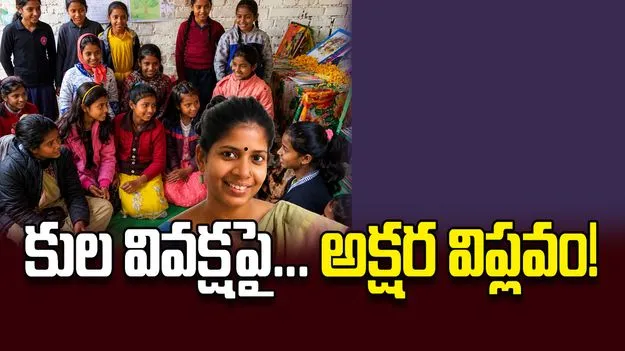
ఒకప్పుడు మధ్యాహ్న భోజన సమయంలో తన లంచ్బాక్స్ను టేబుల్ కింద దాచుకుని కన్నీళ్లు పెట్టుకున్న చిన్నారి.. నేడు వేలాది మంది వెనుకబడిన, పేద పిల్లల భవిష్యత్తుకు వెలుగుదారి చూపుతున్నారు. కుల వివక్ష, పేదరికం, సామాజిక అసమానతలను ప్రత్యక్షంగా ఎదుర్కొన్న సునీతా విశ్వాస్ తన చేదు బాల్య అనుభవాలను బలంగా మలుచుకుని విద్య, సామాజిక న్యాయం కోసం పనిచేస్తున్నారు. ఆమె స్థాపించిన ‘తృతీయ రత్న’ సంస్థ పేద, అణగారిన వర్గాల పిల్లలకు నాణ్యమైన విద్యను అందిస్తూ విద్యారంగంలో ప్రత్యేకమైన మార్పుకు నాంది పలుకుతోంది.
టేబుల్ కింద దాగిన బాల్యం..
సునీతా విశ్వాస్ బాల్యం ఢిల్లీలో తీవ్ర పేదరికం, కుల వివక్ష మధ్య సాగింది. ఒకటో తరగతిలో ఉన్నప్పటి నుంచే కుల ఆధారిత అవమానాలను ఎదుర్కొన్నారు. మధ్యాహ్న భోజన సమయంలో తోటి పిల్లలు ఆమెను దూరంగా ఉంచేవారు. అవమానకరమైన వ్యాఖ్యలు చేస్తూ హేళన చేసేవారు.
ఈ పరిస్థితుల్లో ఇతర పిల్లలతో కలిసి భోజనం చేయడం ఆమెకు సాధ్యం కాలేదు. అందుకే ప్రతిరోజూ తన లంచ్బాక్స్ను టేబుల్ కింద దాచుకుని ఏడుస్తూ భోజనం చేసేవారు. ఒకటో తరగతి నుంచి 12వ తరగతి వరకు పాఠశాల జీవితం ఈ అవమానాల నీడలోనే సాగింది.
కుల వివక్ష కారణంగా ఎదురైన ఈ అనుభవాలు సునీత ఆత్మవిశ్వాసాన్ని తీవ్రంగా దెబ్బతీశాయి. ఆమె అంతర్ముఖురాలిగా మారారు. అయితే ఆ అవమానాలు ఆమె భవిష్యత్తును నిర్ణయించలేకపోయాయి. అదే బాధను భవిష్యత్తులో సామాజిక మార్పుకు శక్తిగా మలుచుకున్నారు.
కుటుంబ నేపథ్యమే పోరాటానికి పునాది
సునీత తండ్రి గ్రూప్-డి ఉద్యోగిగా పనిచేశారు. పదో తరగతి వరకు చదివినప్పటికీ కుల వివక్ష, పేదరికం కారణంగా ఆయన విద్యను కొనసాగించలేకపోయారు. తల్లి కూడా లింగ, కుల వివక్ష కారణంగా పాఠశాల విద్యకు దూరమయ్యారు.
అలాంటి కుటుంబం నుంచి వచ్చిన సునీతకు విద్యే సామాజిక ఎదుగుదలకు ప్రధాన మార్గమని చిన్ననాటి నుంచే అర్థమైంది. అయితే విద్యాసంస్థల్లో కూడా ఆమెకు వివక్ష తప్పలేదు.
ఢిల్లీ యూనివర్సిటీలోనూ చేదు అనుభవాలు
డిగ్రీ కోసం ఢిల్లీ యూనివర్సిటీలోని దౌలత్రామ్ కాలేజీలో చేరినప్పుడు కూడా పరిస్థితి పెద్దగా మారలేదు. తరగతి గదిలో ఎస్సీ సామాజిక వర్గానికి చెందిన విద్యార్థిని ఆమె ఒక్కరే కావడంతో ఒంటరితనం మరింత పెరిగింది.
ఆ వాతావరణాన్ని తట్టుకోలేక చదువు మానేయాలని ఒక దశలో భావించారు. అయితే కొందరు ఆమెకు అండగా నిలవడంతో చదువు కొనసాగించారు.
పోస్టు గ్రాడ్యుయేషన్ సమయంలోనూ వివక్షకు సంబంధించిన చేదు అనుభవాలు ఎదురయ్యాయి. ఫీల్డ్వర్క్ నివేదికలోని వ్యాకరణ దోషాలను ప్రస్తావిస్తూ సూపర్వైజర్ ఆమె కుటుంబ నేపథ్యాన్ని కూడా అవమానకరంగా ప్రస్తావించారు. మరో సందర్భంలో ఓ ప్రొఫెసర్ ఆమె అసైన్మెంట్పై తీవ్ర వ్యాఖ్యలు చేసి అవమానించారు.
ఈ సంఘటనలు సునీతపై తీవ్ర ప్రభావం చూపాయి. మానసిక వేదనతో 2013లో పీజీ కోర్సును మధ్యలోనే వదిలేశారు.
టిస్లో కొత్త ఆలోచనలకు బీజం
2014లో ముంబైలోని **టాటా ఇన్స్టిట్యూట్ ఆఫ్ సోషల్ సైన్సెస్ (TISS)**లో సోషల్ వర్క్లో ఎంఏ చదవడం సునీత జీవితంలో కీలక మలుపుగా మారింది.
TISSలో ఆమె డాక్టర్ బీఆర్ అంబేద్కర్, జ్యోతిబా పూలే సిద్ధాంతాలు, కుల వ్యతిరేక ఉద్యమాలు, సామాజిక న్యాయం వంటి అంశాలను లోతుగా అధ్యయనం చేశారు. ఈ అధ్యయనం ఆమె ఆలోచనా విధానాన్ని పూర్తిగా మార్చింది.
తనకు ఎదురైన కుల వివక్ష వ్యక్తిగత సమస్య మాత్రమే కాదని.. అది సమాజ నిర్మాణంలో ఉన్న అసమానతల ఫలితమని ఆమె గ్రహించారు. ఆ తర్వాత సామాజిక న్యాయం, విద్యా సమానత్వం కోసం పనిచేయాలనే సంకల్పం మరింత బలపడింది.
ఆమె ఎంఫిల్, పీహెచ్డీ కూడా పూర్తి చేశారు.
కరోనా సమయంలో ‘తృతీయ రత్న’కు పునాది
కరోనా లాక్డౌన్ సమయంలో సునీత జీవితంలో మరో కీలక అధ్యాయం ప్రారంభమైంది. పాట్నాలో పేద కుటుంబాలు ఉపాధి కోల్పోయి తీవ్ర ఆర్థిక ఇబ్బందులు ఎదుర్కొంటున్న విషయం ఆమె దృష్టికి వచ్చింది. కొందరు కుటుంబాలు ఆకలితో ఇబ్బంది పడుతూ, పిల్లలు తిరిగి భిక్షాటన వైపు మళ్లే పరిస్థితి ఏర్పడింది.
ఈ పరిస్థితి సునీతను తీవ్రంగా కలచివేసింది. స్నేహితురాలు ప్రసన్నకుమారితో కలిసి విరాళాలు సేకరించి 80 పేద కుటుంబాలకు నిత్యావసర సరుకులు అందించారు.
పిల్లల చదువు ఆగిపోకుండా తమ స్కాలర్షిప్ డబ్బుతో ఒక ఉపాధ్యాయుడిని ఏర్పాటు చేశారు. విద్య ఆగిపోతే పేద పిల్లలు తిరిగి అదే పేదరిక చక్రంలో చిక్కుకునే ప్రమాదం ఉందని గుర్తించి విద్యపై ప్రత్యేకంగా దృష్టి పెట్టారు.
ఈ సేవా కార్యక్రమమే తర్వాత సంస్థాగత రూపం దాల్చింది. 2024లో ఉప్పలం ఫౌండేషన్ కింద ‘తృతీయ రత్న’ సంస్థగా నమోదైంది.
పేద పిల్లలకు నాణ్యమైన విద్యే లక్ష్యం
జ్యోతిబా పూలే, బాబాసాహెబ్ అంబేద్కర్ ఆలోచనల స్ఫూర్తితో తృతీయ రత్న ప్రధానంగా విద్య, సామాజిక చైతన్యం, సమానత్వం, హక్కుల పరిరక్షణపై పనిచేస్తోంది.
బీహార్లోని జెహానాబాద్, జముయ్, ఔరంగాబాద్, పాట్నా జిల్లాల్లో కమ్యూనిటీ లైబ్రరీలను ఏర్పాటు చేశారు. ఒకటి నుంచి పదో తరగతి వరకు చదువుతున్న విద్యార్థులకు ఉచిత ట్యూషన్లు, పుస్తకాలు అందిస్తున్నారు.
ముఖ్యంగా మొదటితరం విద్యార్థులకు ఉన్నత విద్యా అవకాశాలు అందించడంపై దృష్టి పెట్టారు. యూనివర్సిటీ ప్రవేశ పరీక్షలకు విద్యార్థులను సిద్ధం చేయడంతో పాటు పేద కుటుంబాలకు చెందిన బాలికలకు స్కాలర్షిప్లు అందిస్తున్నారు.
‘బాల్ సభ’తో సామాజిక చైతన్యం
తృతీయ రత్నలో మరో ముఖ్యమైన కార్యక్రమం ‘బాల్ సభ’. దీని ద్వారా చిన్నారులకు కేవలం పాఠ్యాంశాలనే కాకుండా సామాజిక స్పృహ, రాజ్యాంగ విలువలు, లింగ సమానత్వం, హక్కులు, బాధ్యతలపై అవగాహన కల్పిస్తున్నారు.
విద్యార్థులు ప్రశ్నించే స్వభావాన్ని పెంపొందించుకోవడం, తమ హక్కుల గురించి తెలుసుకోవడం, వివక్షను గుర్తించడం వంటి అంశాలకు ప్రాధాన్యం ఇస్తున్నారు.
బాల్య వివాహాలపై పోరాటం
తృతీయ రత్న కార్యకలాపాలు విద్యకే పరిమితం కావడం లేదు. ప్రభుత్వ సంక్షేమ పథకాలు అర్హులైన పేదలకు చేరేలా సహకరించడం, బాల్య వివాహాలను అడ్డుకోవడం, బాధితులకు అవసరమైన చట్టపరమైన సహాయం అందించడం వంటి సామాజిక సేవా కార్యక్రమాలను కూడా చేపడుతోంది.
‘‘విద్య అంటే మార్కులు కాదు.. చైతన్యం’’
సునీతా విశ్వాస్ దృష్టిలో విద్య అంటే కేవలం మార్కులు, డిగ్రీలు సాధించడం కాదు. సమాజంలోని అసమానతలను ప్రశ్నించే చైతన్యాన్ని కల్పించడమే నిజమైన విద్య అనే భావనతో ఆమె పనిచేస్తున్నారు.
తన బాల్యంలో ఎదుర్కొన్న కుల వివక్షను మరచిపోలేదు. అయితే దాన్ని ద్వేషంగా మార్చుకోకుండా సామాజిక మార్పు కోసం ఉపయోగిస్తున్నారు. తాను అనుభవించిన అవమానం మరొక పిల్లవాడి జీవితంలో పునరావృతం కాకూడదన్న లక్ష్యంతో ముందుకు సాగుతున్నారు.
సవాళ్లు ఉన్నా.. ప్రయాణం ఆగలేదు
తృతీయ రత్నకు ప్రస్తుతం సీఎస్ఆర్ నిధుల కొరతతో పాటు కొన్ని ప్రాంతాల్లో స్థానిక ప్రతిఘటనలు కూడా ఎదురవుతున్నాయి. అయినప్పటికీ సునీత వెనక్కి తగ్గడం లేదు.
కుల వివక్ష, పేదరికం, విద్యా అసమానతలు ఎదుర్కొంటున్న పిల్లలకు నాణ్యమైన విద్య అందించడమే ఆమె ప్రధాన లక్ష్యం. విద్య ద్వారా సామాజిక మార్పు సాధ్యమేనని ఆమె తన ప్రయాణంతో నిరూపిస్తున్నారు.
టేబుల్ కింద ఏడ్చిన బాలిక.. నేడు మార్గదర్శి
ఒకప్పుడు తోటిపిల్లల అవమానాలను భరించలేక లంచ్బాక్స్ను టేబుల్ కింద దాచుకుని ఏడ్చిన సునీతా విశ్వాస్.. నేడు అదే బాల్య అనుభవాన్ని వేలాది మంది పిల్లల జీవితాల్లో వెలుగులు నింపే శక్తిగా మార్చుకున్నారు.
కుల వివక్షను ఎదుర్కొని ఉన్నత విద్యను సాధించడం ఒక విజయమైతే.. తనలాంటి పరిస్థితులను ఎదుర్కొంటున్న పిల్లలకు విద్య, గౌరవం, ఆత్మవిశ్వాసం అందించడం ఆమె అసలైన విజయం.
సునీతా విశ్వాస్ కథ కేవలం ఒక వ్యక్తి విజయగాథ కాదు. కుల వివక్షను ఎదుర్కొన్న బాల్యం నుంచి సామాజిక న్యాయం కోసం పనిచేసే ఉద్యమకారిణిగా ఎదిగిన స్ఫూర్తిదాయక ప్రయాణం. ‘తృతీయ రత్న’ ద్వారా విద్యను సామాజిక మార్పుకు ఆయుధంగా మలుస్తున్న ఆమె ప్రస్థానం.. నేటి తరానికి ఒక బలమైన సందేశం.
To get more interesting news, click the link below.
Sunita Vishwas: From Hiding Her Lunchbox Under a Table to Transforming Education for Underprivileged Children
Once humiliated by classmates for her caste and poverty, Sunita Vishwas hid her lunchbox under a table and ate in tears. Today, she is empowering underprivileged children through education, social justice and the Treetiya Ratna initiative.
New Delhi/Patna:
As a Class 1 student, Sunita Vishwas dreaded lunchtime. While other children sat together and shared their meals, she would hide her lunchbox under a table and eat alone, trying to escape the taunts and humiliation of her classmates.
Years later, that painful childhood experience has become the driving force behind her mission to transform the lives of thousands of underprivileged children.
Through Treetiya Ratna, Sunita Vishwas is working to provide quality education, scholarships, community learning spaces and social awareness to children from economically and socially disadvantaged communities. Her journey from experiencing caste discrimination and poverty to becoming an education and social justice advocate is emerging as a powerful story of resilience and transformation.
A Childhood Shaped by Caste Discrimination and Poverty
Born and raised in Delhi, Sunita Vishwas grew up in a family that faced both poverty and social discrimination.
Her father worked as a Group-D employee. Although he studied up to Class 10, caste discrimination and poverty forced him to discontinue his education. Her mother also could not attend school because of gender and caste-based discrimination.
Sunita faced discrimination at school from an early age. Classmates often avoided speaking to her and kept their distance during lunch. The repeated insults deeply affected her confidence.
Instead of joining other children for lunch, she would hide her lunchbox under the table and eat while crying.
Her school journey—from Class 1 to Class 12 in Delhi—was marked by these painful experiences. The humiliation made her increasingly withdrawn and affected her self-confidence.
But those experiences did not destroy her ambitions.
They eventually became the foundation of her commitment to education, equality and social justice.
Higher Education Brought More Challenges
Sunita’s struggle did not end when she entered higher education.
She joined Delhi University’s Daulat Ram College for her undergraduate studies. She was reportedly the only student from an SC background in her classroom, making her feel isolated once again.
At one point, she considered leaving college. Support from a few people encouraged her to continue her education.
Her experiences became difficult again during postgraduate studies at the Delhi School of Social Work.
She faced criticism over grammar mistakes in a fieldwork report, with her family background and her father’s occupation also being brought into the discussion. On another occasion, a professor reportedly threw her assignment back at her after harshly criticizing it.
The repeated humiliation caused severe emotional distress, and in 2013 she discontinued her postgraduate course.
However, her educational journey was not over.
TISS Became a Turning Point
In 2014, Sunita Vishwas joined the Tata Institute of Social Sciences (TISS), Mumbai, to pursue an MA in Social Work.
TISS became a major turning point in her life.
She studied caste-based movements, social justice and the ideas of Dr. B.R. Ambedkar and Jyotiba Phule. Exposure to these ideas helped her understand her personal experiences within the larger framework of social inequality.
The experience rebuilt her confidence and strengthened her determination to work for social justice and educational equality.
She subsequently completed her MPhil and PhD.
How Treetiya Ratna Was Born
The roots of Treetiya Ratna can be traced back to the COVID-19 lockdown.
During the pandemic, Sunita learned about poor families in Patna struggling without employment and basic food supplies. There were concerns that children from extremely vulnerable families could be pushed back toward begging.
Moved by the situation, Sunita and her friend Prasanna Kumari began collecting donations.
They provided essential supplies to around 80 families.
They also used their scholarship money to arrange a teacher so that children would not be forced to discontinue their education during the lockdown.
What began as a humanitarian response eventually developed into an organized educational initiative.
In 2024, the initiative was registered as Treetiya Ratna under Uppalam Foundation.
Treetiya Ratna’s Four-Pronged Approach
Today, Treetiya Ratna focuses on education, social awareness, equality and access to welfare opportunities.
1. Community Libraries and Free Education
Community libraries have been established in Bihar’s Jehanabad, Jamui, Aurangabad and Patna districts.
Children from Classes 1 to 10 receive access to books and free tuition support.
The objective is to ensure that poverty does not become a barrier to education.
2. Supporting First-Generation Learners
A major focus of Treetiya Ratna is helping first-generation students prepare for university entrance examinations.
The organization also provides scholarships to girls from economically disadvantaged families, helping them pursue higher education.
For many such students, access to academic guidance and financial assistance can determine whether they continue their education or drop out.
3. ‘Bal Sabha’ for Social Awareness
Through Bal Sabha, children are introduced to social awareness, constitutional values and gender equality.
The initiative seeks to encourage children to think critically about society, understand their rights and develop confidence to question discrimination.
4. Welfare Support and Prevention of Child Marriage
Treetiya Ratna also helps disadvantaged families access government welfare schemes.
The organization works to prevent child marriage and provides legal assistance to victims and vulnerable families when required.
This approach reflects Sunita Vishwas’ belief that education must go beyond classrooms and textbooks.
Education Is More Than Marks and Degrees
Sunita Vishwas believes that the purpose of education extends far beyond academic achievement.
For her, education should give children the confidence and awareness to question social inequalities.
Her own life illustrates this philosophy.
The child who once hid her lunchbox under a table because she feared humiliation is now working to ensure that other children do not experience the same isolation because of their caste, poverty or social background.
Fighting Caste Discrimination Through Education
Caste discrimination in education remains a serious concern for children from marginalized communities.
Sunita’s story highlights how discrimination can affect a child’s confidence, participation and educational journey.
Rather than allowing her experiences to define her future, she transformed them into motivation to create opportunities for others.
Her work through Treetiya Ratna places education at the center of the fight against social inequality.
Challenges Continue
Despite the growing impact of her work, Sunita Vishwas continues to face challenges, including a shortage of CSR funding and resistance in some local communities.
Yet she remains committed to expanding educational opportunities for children from disadvantaged backgrounds.
Her work demonstrates how grassroots organizations can combine education with social awareness, gender equality, constitutional values and community support.
From a Hidden Lunchbox to a Larger Mission
The story of Sunita Vishwas is more than a personal success story.
It is a story of resilience against caste discrimination, poverty and educational inequality.
A child who once ate lunch alone under a school table has grown into an advocate working to ensure that thousands of children receive something she was denied as a child—dignity, equal opportunity, quality education and confidence.
Through Treetiya Ratna, Sunita Vishwas is turning personal pain into a larger social mission.
Her journey sends a powerful message: education is not merely a pathway to marks or degrees; it can become a powerful instrument for dignity, equality and social transformation.
Satya Telangana is a Telugu daily newspaper delivering the latest news and updates