

జూలై–ఆగస్టులో ఆధ్యాత్మిక యాత్రలు.. ప్రమాదాలకు ‘హై రిస్క్’!
చార్ధామ్, కైలాష్ మానస సరోవర్, నేపాల్ పర్యటనలపై నిపుణుల హెచ్చరికలు.. వాతావరణ పరిస్థితులు ముందే తెలుసుకోవాలని సూచన
హైదరాబాద్: విహార యాత్రలు, ఆధ్యాత్మిక పర్యటనలు చేపట్టే ముందు వాతావరణ పరిస్థితులను తప్పనిసరిగా అంచనా వేసుకోవాలని పర్యాటక శాఖ అధికారులు సూచిస్తున్నారు. ముఖ్యంగా జూలై, ఆగస్టు నెలల్లో చార్ధామ్ యాత్ర, కైలాష్ మానస సరోవర్ యాత్ర, నేపాల్ పర్వత ప్రాంతాల పర్యటనలకు వెళ్లే వారు అప్రమత్తంగా ఉండాలని హెచ్చరిస్తున్నారు. సీజన్కు విరుద్ధంగా పర్యటనలు చేపట్టడం, వాతావరణ హెచ్చరికలను పట్టించుకోకపోవడం, ముందస్తు ప్రణాళిక లేకపోవడం వల్ల ఊహించని ప్రమాదాలు ఎదురయ్యే అవకాశం ఉందని పేర్కొంటున్నారు.
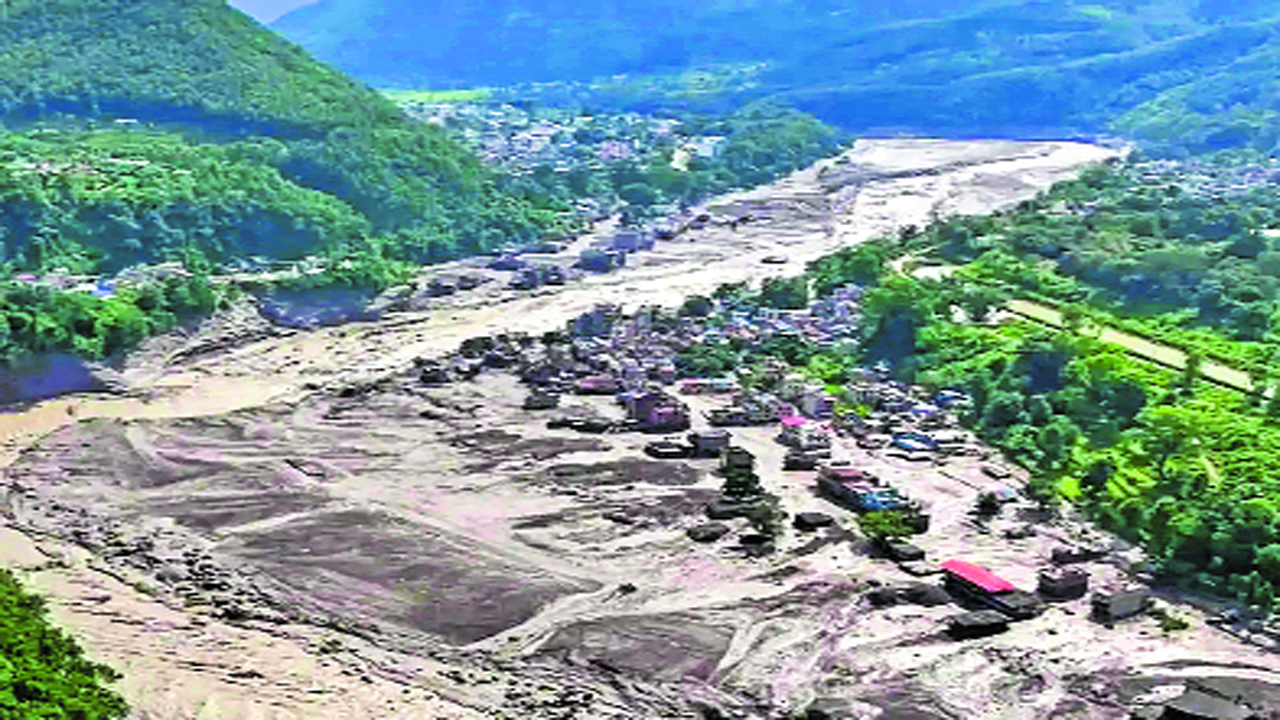
ఇటీవల నేపాల్–టిబెట్ సరిహద్దులోని భోటే కోషి నదిలో ఆకస్మిక వరద తీవ్ర విషాదాన్ని మిగిల్చింది. బుధవారం ఉదయం సుమారు 9 గంటల సమయంలో ఒక్కసారిగా వరద పోటెత్తడంతో భారీగా ప్రాణ, ఆస్తి నష్టం సంభవించినట్లు సమాచారం. ఈ ఘటనలో 750 మందికి పైగా గల్లంతు కాగా, 160 మంది మృతి చెందినట్లు వెల్లడైంది. అయితే హైదరాబాద్ నుంచి వెళ్లిన 31 మంది యాత్రికులు క్షేమంగా ఉన్నట్లు అధికారులు తెలిపారు.
వాతావరణం తెలుసుకోకుండా యాత్రకు వెళ్లొద్దు
ప్రతి ఏడాది హైదరాబాద్తోపాటు తెలంగాణలోని వివిధ ప్రాంతాల నుంచి వేలాది మంది ఆధ్యాత్మిక యాత్రలు, తీర్థయాత్రలు, విహార యాత్రలకు వెళ్తుంటారు. దేశంలోని ప్రముఖ పర్యాటక ప్రాంతాలతోపాటు విదేశీ పర్యటనలకు కూడా నగరవాసులు ప్రాధాన్యం ఇస్తున్నారు.
అయితే పర్వత ప్రాంతాల్లో పర్యటనకు వెళ్లే సమయంలో సాధారణ ప్రాంతాలతో పోలిస్తే మరింత జాగ్రత్త అవసరం. ముఖ్యంగా భారీ వర్షాలు, కొండచరియలు విరిగిపడటం, ఆకస్మిక వరదలు, రహదారులు మూసుకుపోవడం, కమ్యూనికేషన్ వ్యవస్థ దెబ్బతినడం వంటి సమస్యలు తలెత్తే అవకాశం ఉంటుంది.
అందువల్ల ప్రయాణానికి ముందు స్థానిక వాతావరణ శాఖ హెచ్చరికలు, రహదారి పరిస్థితులు, యాత్ర మార్గాలు, స్థానిక పరిపాలనా సంస్థల సూచనలు తెలుసుకోవాలని అధికారులు సూచిస్తున్నారు.
జూలై, ఆగస్టులో చార్ధామ్ యాత్రపై అప్రమత్తత
దేశవ్యాప్తంగా అత్యంత ప్రసిద్ధి చెందిన ఆధ్యాత్మిక పర్యటనల్లో చార్ధామ్ యాత్ర ఒకటి. ఉత్తరాఖండ్లోని కేదార్నాథ్, బద్రీనాథ్, గంగోత్రి, యమునోత్రి క్షేత్రాలను సందర్శించేందుకు ప్రతి ఏడాది లక్షలాది మంది భక్తులు తరలివెళ్తారు.
సాధారణంగా చార్ధామ్ యాత్ర ఏప్రిల్ చివర లేదా మే ప్రారంభంలో ప్రారంభమవుతుంది. మే, జూన్ నెలల్లో భక్తుల రద్దీ అధికంగా ఉంటుంది. అయితే జూలై, ఆగస్టు నెలల్లో ఉత్తరాఖండ్లో భారీ వర్షాలు కురిసే అవకాశం ఉంటుంది. దీంతో కొండచరియలు విరిగిపడటం, రహదారులు దెబ్బతినడం, ఆకస్మిక వరదలు సంభవించడం వంటి ప్రమాదాలు చోటుచేసుకుంటాయి.
అందుకే జూలై–ఆగస్టులో చార్ధామ్ యాత్ర చేపట్టే వారు వాతావరణ పరిస్థితులను ముందుగానే పరిశీలించాలని అధికారులు సూచిస్తున్నారు.
2013 వరదల చేదు అనుభవం
ఉత్తరాఖండ్లో 2013లో సంభవించిన భారీ వరదలు దేశవ్యాప్తంగా తీవ్ర విషాదాన్ని మిగిల్చాయి. ఆ సమయంలో హైదరాబాద్ నుంచి చార్ధామ్ యాత్రకు వెళ్లిన దాదాపు 300 మంది యాత్రికులు తీవ్ర ఇబ్బందులు ఎదుర్కొన్నారు. కొందరు గల్లంతయ్యారని, సుమారు 30 మంది వరకు ప్రాణాలు కోల్పోయినట్లు సమాచారం.
ఈ ఘటనను దృష్టిలో ఉంచుకుని పర్వత ప్రాంతాల్లో యాత్రలు చేపట్టే సమయంలో సీజన్, వాతావరణం, మార్గ పరిస్థితులను నిర్లక్ష్యం చేయకూడదని అధికారులు చెబుతున్నారు.
కైలాష్ మానస సరోవర్ యాత్ర మరింత కఠినం
కైలాష్ మానస సరోవర్ యాత్ర కూడా అత్యంత క్లిష్టమైన ఆధ్యాత్మిక యాత్రల్లో ఒకటి. చైనా ఆధీనంలోని టిబెట్ ప్రాంతంలో ఉన్న కైలాష్ పర్వతం, మానస సరోవర్ను దర్శించేందుకు భారత్ నుంచి ప్రతి ఏడాది యాత్రికులు వెళ్తుంటారు.
సాధారణంగా ఈ యాత్రకు మే, జూన్ నెలలు అనుకూలంగా ఉంటాయి. పర్వత ప్రాంతం కావడంతో ఎత్తు పెరిగే కొద్దీ ఆక్సిజన్ స్థాయులు తగ్గుతాయి. దాదాపు 18,500 అడుగుల ఎత్తులో ప్రయాణించాల్సి రావడం, సుదీర్ఘంగా నడవాల్సి ఉండటం వల్ల వృద్ధులు, ఆరోగ్య సమస్యలు ఉన్నవారు ప్రత్యేక జాగ్రత్తలు తీసుకోవాల్సి ఉంటుంది.
ఈ యాత్రలో సుమారు 54 కిలోమీటర్ల మేర నడక ఉండటంతో శారీరక సామర్థ్యం కూడా కీలకంగా మారుతుంది. ఎత్తైన ప్రాంతాల్లో ఆక్సిజన్ కొరత కారణంగా శ్వాస సంబంధిత సమస్యలు తలెత్తే అవకాశం ఉంటుంది.
11 సార్లు మానస సరోవర్ యాత్ర చేసిన అనుభవం
కైలాష్ మానస సరోవర్ యాత్రను 11 సార్లు పూర్తి చేసిన ఒక యాత్రికుడు తన అనుభవాలను వివరించారు. హైదరాబాద్ నుంచి ఢిల్లీకి, అక్కడి నుంచి నేపాల్లోని ఖాట్మండు మీదుగా టిబెట్కు వెళ్లినట్లు తెలిపారు.
పర్వత ప్రాంతాలు, మంచుకొండలు, అత్యంత ఎత్తైన ప్రదేశాల్లో ప్రయాణించడం వల్ల ఈ యాత్ర సాధారణ ఆధ్యాత్మిక పర్యటనల కంటే భిన్నంగా ఉంటుందని చెప్పారు. సుమారు 18,500 అడుగుల ఎత్తులో ఉండే ప్రాంతాల్లో ఆక్సిజన్ కొరత కారణంగా ఊపిరి తీసుకోవడం కూడా కష్టంగా ఉంటుందని వివరించారు.
అయితే నేపాల్లో ఇటీవల చోటుచేసుకున్న తరహా భారీ విపత్తును తాను మానస సరోవర్ యాత్రలో ఎప్పుడూ చూడలేదని తెలిపారు.
యాత్రికులకు కీలక సూచనలు
ఆధ్యాత్మిక యాత్రలు, చార్ధామ్ యాత్ర, కైలాష్ మానస సరోవర్ యాత్ర, నేపాల్ పర్యటనలు చేపట్టే వారు ఈ అంశాలను తప్పనిసరిగా పరిశీలించాలి:
- ప్రయాణానికి ముందు వాతావరణ పరిస్థితులను తెలుసుకోవాలి.
- భారీ వర్షాలు, వరదలు, కొండచరియల హెచ్చరికలు ఉన్నాయా పరిశీలించాలి.
- యాత్రకు అనుకూలమైన సీజన్లోనే పర్యటన చేపట్టడం మంచిది.
- పర్వత ప్రాంతాల్లో స్థానిక అధికారుల సూచనలను తప్పనిసరిగా పాటించాలి.
- వృద్ధులు, పిల్లలు, ఆరోగ్య సమస్యలు ఉన్నవారు ప్రత్యేక జాగ్రత్తలు తీసుకోవాలి.
- ఎత్తైన ప్రాంతాలకు వెళ్లేవారు శారీరక సామర్థ్యాన్ని ముందుగానే అంచనా వేసుకోవాలి.
- అత్యవసర పరిస్థితుల్లో ఉపయోగపడే మందులు, పత్రాలు, కమ్యూనికేషన్ మార్గాలను సిద్ధంగా ఉంచుకోవాలి.
- వాతావరణం ప్రతికూలంగా మారితే యాత్రను వాయిదా వేసుకోవడానికి సిద్ధంగా ఉండాలి.
ముందస్తు ప్రణాళికే భద్రతకు మార్గం
పర్యాటక యాత్రైనా.. ఆధ్యాత్మిక యాత్రైనా.. భద్రతకు మొదటి ప్రాధాన్యం ఇవ్వాల్సిందే. ముఖ్యంగా పర్వత ప్రాంతాలు, సరిహద్దు ప్రాంతాలు, భారీ వర్షాలు కురిసే ప్రాంతాల్లో సీజన్ దాటిన తర్వాత ప్రయాణాలు చేయడం ప్రమాదకరంగా మారే అవకాశం ఉంది.
అందుకే చార్ధామ్ యాత్ర, కైలాష్ మానస సరోవర్ యాత్ర, నేపాల్ పర్యటన వంటి సుదూర యాత్రలకు బయలుదేరే ముందు వాతావరణం, రహదారి పరిస్థితులు, స్థానిక హెచ్చరికలు, యాత్ర సీజన్ను సమగ్రంగా పరిశీలించి నిర్ణయం తీసుకోవాలని పర్యాటక అధికారులు సూచిస్తున్నారు.
“యాత్రకు వెళ్లడం ఎంత ముఖ్యమో.. సురక్షితంగా తిరిగి రావడం అంతకంటే ముఖ్యం” అనే విషయాన్ని ప్రతి యాత్రికుడు గుర్తుంచుకోవాలని సూచిస్తున్నారు.
To get more interesting news, click the link below.
Char Dham, Kailash Mansarovar Yatra Why July-August Travel Can Be Risky
Weather alerts, landslides and flash floods underline the need for careful planning before undertaking Himalayan pilgrimages
Hyderabad: Pilgrimage and leisure trips to mountainous destinations need to be planned according to the season, weather conditions and local safety advisories, tourism officials have cautioned. Travellers heading to destinations such as Char Dham, Kailash Mansarovar and Nepal during the monsoon months of July and August need to exercise particular caution as heavy rainfall can trigger landslides, flash floods and road disruptions.
The warning assumes significance following the reported flash flood in the Bhote Koshi River along the Nepal-Tibet border, which occurred around 9 am on Wednesday. According to the information cited by officials, more than 750 people were reported missing and around 160 people died in the disaster. The 31 pilgrims who had travelled from Hyderabad were reported to be safe.
The incident has once again highlighted the importance of pilgrimage safety, weather forecasting and advance travel planning for people visiting high-altitude and mountainous regions.
Why July-August travel needs extra caution
A large number of people from Hyderabad and other parts of Telangana travel every year to popular religious and tourist destinations across India and abroad. Char Dham Yatra and Kailash Mansarovar Yatra remain among the most sought-after spiritual journeys.
However, the monsoon season presents a different set of challenges in the Himalayan region.
The Char Dham Yatra in Uttarakhand generally begins in late April or early May, with the highest pilgrim rush usually recorded during May and June. From July to August, heavy rainfall can increase the possibility of landslides, flash floods, damaged roads and travel disruptions.
Tourism officials have therefore advised pilgrims to check the weather forecast and local administration advisories before beginning their journey.
Char Dham Yatra: Monsoon risks
The Char Dham pilgrimage covers some of Uttarakhand’s most important religious destinations, including Kedarnath, Badrinath, Gangotri and Yamunotri.
Because these pilgrimage centres are located in mountainous terrain, weather conditions can change rapidly. Heavy rainfall can lead to falling rocks, landslides and sudden flooding, potentially cutting off roads and leaving travellers stranded.
For this reason, Char Dham Yatra safety should be a priority for every pilgrim. Travellers should check road conditions, weather warnings and local restrictions before proceeding.
2013 Uttarakhand floods remain a warning
The devastating 2013 Uttarakhand floods remain one of the most serious reminders of the risks associated with Himalayan pilgrimage during extreme weather.
According to the information cited in the report, nearly 300 pilgrims from Hyderabad who had travelled for the Char Dham Yatra were affected by the disaster. Some were reported missing, while around 30 people were believed to have died.
The experience demonstrates why pilgrims should not ignore seasonal warnings when planning a Char Dham Yatra.
Kailash Mansarovar Yatra is physically demanding
The Kailash Mansarovar Yatra is considered one of the most challenging spiritual journeys undertaken by Indian pilgrims. The route passes through high-altitude Himalayan terrain in the Tibet region.
Unlike a conventional pilgrimage, the Kailash Mansarovar Yatra requires travellers to cope with high altitude, cold weather, difficult terrain and reduced oxygen levels.
The journey can involve walking for approximately 54 kilometres, while some areas are situated at altitudes of around 18,500 feet above sea level. At such elevations, travellers can experience breathlessness and altitude-related difficulties.
Consequently, Kailash Mansarovar Yatra safety requires careful preparation, physical fitness and appropriate acclimatisation.
Oxygen shortage adds to the challenge
At high altitudes, atmospheric pressure and available oxygen are significantly lower than at sea level. This can make physical activity difficult, particularly for older travellers.
The report cites concerns over altitude-related health complications among elderly pilgrims, including serious breathing and cardiovascular problems. Travellers undertaking the Kailash Mansarovar Yatra should therefore undergo appropriate medical evaluation and follow official health and travel advisories.
The journey is not simply a religious pilgrimage; it is also a demanding high-altitude expedition.
Nepal routes vulnerable during monsoon
Nepal serves as an important transit route for several Himalayan journeys. However, July and August are peak monsoon months, bringing heavy rainfall to several parts of the country.
Heavy rain can cause landslides, flash floods and disruption of transportation networks. Roads passing through mountainous terrain can become particularly vulnerable.
The recent Nepal flood incident has once again raised concerns about travel safety in mountainous areas during the monsoon.
Pilgrims and tourists travelling through Nepal should therefore monitor weather alerts and local road conditions continuously rather than relying solely on previously prepared itineraries.
11 Kailash Mansarovar journeys underline the difficulty
A traveller who has completed the difficult Kailash Mansarovar Yatra 11 times described the journey as a demanding experience.
According to his account, the journey involved travelling from Hyderabad to Delhi, followed by travel to Kathmandu in Nepal and onward to Tibet.
He said the route passes through mountainous terrain and snow-covered areas, with some locations reaching approximately 18,500 feet above sea level. Walking for nearly 54 kilometres can make breathing difficult because of the high altitude and reduced oxygen availability.
However, he said he had not witnessed a disaster of the magnitude of the recent Nepal incident during his 11 Kailash Mansarovar journeys.
Travel safety checklist for pilgrims
People planning a Char Dham Yatra, Kailash Mansarovar Yatra or Nepal trip during the monsoon should take several precautions:
- Check the latest weather forecast before departure.
- Monitor heavy rainfall, landslide and flash-flood warnings.
- Check road and transportation conditions.
- Follow instructions issued by local authorities.
- Avoid travelling when authorities advise against it.
- Allow sufficient time for delays and route changes.
- Elderly travellers should take extra precautions at high altitude.
- Carry essential medicines and emergency supplies.
- Maintain regular communication with family members.
- Keep identification and emergency contact details accessible.
- For high-altitude journeys, consult a doctor and prepare for acclimatisation.
- Consider postponing the journey if severe weather conditions are forecast.
Advance planning is the key to safe pilgrimage
The latest incident has once again highlighted a basic rule of mountain tourism: the destination may remain the same, but the risk can change dramatically with the season.
Whether it is a Char Dham Yatra, Kailash Mansarovar Yatra, Nepal pilgrimage or Himalayan tourist trip, travellers need to consider the weather, season, terrain and previous disaster history before setting out.
For pilgrims from Hyderabad and Telangana, advance planning is particularly important when travelling long distances to remote mountain destinations.
A successful pilgrimage is not merely about reaching the destination. Returning home safely should be the first priority.
Satya Telangana is a Telugu daily newspaper delivering the latest news and updates