
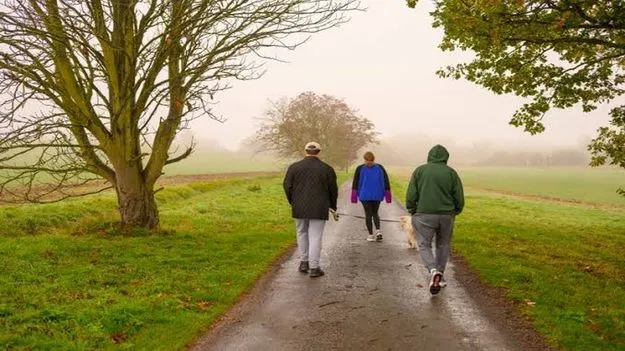
తాయ్ చి వాకింగ్ నడకతో పాటు శ్వాసపై దృష్టి.. ఒత్తిడి తగ్గించే మైండ్ఫుల్ వాకింగ్
నడక, శ్వాస.. రెండింటినీ సమన్వయం చేస్తూ చేసే ‘తాయ్ చి వాకింగ్’ ప్రస్తుతం సోషల్ మీడియాలో ట్రెండ్గా మారింది. తక్కువ శ్రమతో, నెమ్మదిగా, ప్రతి అడుగుపై పూర్తి అవగాహనతో చేసే ఈ మైండ్ఫుల్ వాకింగ్ శారీరక ఆరోగ్యంతో పాటు మానసిక ప్రశాంతతకు కూడా ఉపయోగపడుతుందని నిపుణులు చెబుతున్నారు. ముఖ్యంగా ఒత్తిడి, ఆందోళన, నిద్ర సమస్యలు, శరీర సమతుల్యతపై దృష్టి పెట్టేవారిలో తాయ్ చి వాకింగ్ పట్ల ఆసక్తి పెరుగుతోంది.
తాయ్ చి వాకింగ్ అంటే ఏమిటి?
తాయ్ చి (Tai Chi) చైనాకు చెందిన పురాతన మార్షల్ ఆర్ట్. నెమ్మదైన కదలికలు, శ్వాస నియంత్రణ, శరీర సమతుల్యత, ఏకాగ్రతకు ఇందులో ప్రాధాన్యం ఉంటుంది. అదే సూత్రాలను నడకలో ఉపయోగిస్తూ చేసే పద్ధతినే తాయ్ చి వాకింగ్ (Tai Chi Walking) అంటారు.
సాధారణ నడకలో వేగం, దూరం, అడుగుల సంఖ్యపై దృష్టి పెడితే.. తాయ్ చి వాకింగ్లో ప్రతి అడుగును గమనిస్తూ, శ్వాసను నియంత్రిస్తూ, శరీర బరువును ఒక కాలు నుంచి మరో కాలుకు నెమ్మదిగా మార్చడం ప్రధాన లక్షణం. అందుకే దీనిని మైండ్ఫుల్ వాకింగ్ లేదా ధ్యానపూర్వక నడకగా కూడా చెబుతారు.
ఎలా నడవాలి?
తాయ్ చి వాకింగ్ చేయడానికి ప్రత్యేక పరికరాలు అవసరం లేదు. ప్రశాంతమైన ప్రదేశంలో నెమ్మదిగా నడుస్తూ సాధన చేయవచ్చు.
- ముందుగా ఒక కాలును ముందుకు వేయాలి.
- పాదం ముందుభాగం కాకుండా మడమను (హీల్) నెమ్మదిగా నేలపై ఉంచాలి.
- ఆ తర్వాత పాదాన్ని పూర్తిగా నేలకు ఆన్చాలి.
- శరీర బరువును ఆ కాలుపై క్రమంగా బదిలీ చేయాలి.
- బరువు పూర్తిగా ఒక కాలుపైకి వచ్చిన తర్వాతే మరో కాలును ముందుకు కదిలించాలి.
- వెన్నెముకను సాధ్యమైనంత సౌకర్యంగా నిటారుగా ఉంచాలి.
- చేతులను సహజంగా కదిలిస్తూ శ్వాసపై దృష్టి పెట్టాలి.
- ప్రతి అడుగు ఎలా పడుతోంది? శరీర బరువు ఎక్కడ ఉంది? అనే విషయాలను గమనించాలి.
ఈ విధానంలో ‘బరువైన పాదం–తేలికైన పాదం’ అనే అవగాహన చాలా కీలకమని తాయ్ చి నిపుణులు చెబుతున్నారు.
తాయ్ చి వాకింగ్తో ఆరోగ్య ప్రయోజనాలు
తాయ్ చి వాకింగ్ ప్రయోజనాలు ప్రస్తుతం సోషల్ మీడియాలో విస్తృతంగా చర్చకు వస్తున్నాయి. నెమ్మదిగా, నియంత్రిత కదలికలతో చేసే ఈ నడక వల్ల శరీర సమతుల్యత, కండరాల నియంత్రణ, ఏకాగ్రత వంటి అంశాలకు మేలు కలగవచ్చని పరిశోధనలు సూచిస్తున్నాయి.
మోకాళ్లు, కీళ్లకు తక్కువ ఒత్తిడి
వేగంగా నడవడం లేదా అధిక ప్రభావం కలిగించే వ్యాయామాలతో పోలిస్తే తాయ్ చి వాకింగ్లో కదలికలు నెమ్మదిగా ఉంటాయి. దీంతో శరీరంపై పడే ఒత్తిడి తక్కువగా ఉండే అవకాశం ఉంది. అయితే మోకాళ్ల నొప్పులు లేదా కీళ్ల సమస్యలు ఉన్నవారు తమ శారీరక పరిస్థితికి అనుగుణంగా సాధన చేయడం మంచిది.
సమతుల్యత మెరుగుపడే అవకాశం
శరీర బరువును ఒక కాలు నుంచి మరో కాలుకు నియంత్రణతో మార్చడం వల్ల బ్యాలెన్స్, కాళ్ల కండరాల నియంత్రణ, శరీర సమన్వయం మెరుగుపడేందుకు సహాయపడవచ్చు. ముఖ్యంగా వయసు పెరిగే కొద్దీ పడిపోవడం వంటి ప్రమాదాలను తగ్గించడంలో సమతుల్యత సాధనకు ప్రాధాన్యం ఉంది.
ఒత్తిడి, ఆందోళన తగ్గించడంలో సహకారం
తాయ్ చి వాకింగ్లో నడకతో పాటు శ్వాస, శరీర కదలికలపై దృష్టి పెట్టాలి. ఈ మైండ్ఫుల్ విధానం మనసును ప్రస్తుత క్షణంపై కేంద్రీకరించేందుకు సహాయపడుతుంది. ఫలితంగా ఒత్తిడి, ఆందోళన తగ్గించుకోవడంలో ఉపయోగపడవచ్చని కొన్ని అధ్యయనాలు సూచిస్తున్నాయి.
భంగిమకు ఉపయోగం
నడుస్తున్నప్పుడు వెన్నెముకను సౌకర్యవంతంగా నిటారుగా ఉంచడం, తల–భుజాల స్థితిని గమనించడం వల్ల **శరీర భంగిమ (posture)**పై అవగాహన పెరుగుతుంది. ఎక్కువసేపు కంప్యూటర్, మొబైల్ స్క్రీన్ ముందు ఉండేవారికి ఇది ప్రత్యేకంగా ఆసక్తికరమైన అంశంగా మారింది.
నిద్ర, మానసిక ప్రశాంతత
నడక, నియంత్రిత శ్వాస, మైండ్ఫుల్ మూవ్మెంట్ కలయిక రోజువారీ మానసిక ఒత్తిడిని తగ్గించడంలో సహాయపడవచ్చు. కొంతమంది సాధకులు సాయంత్రం 15–20 నిమిషాల తాయ్ చి వాకింగ్ తర్వాత మనసు ప్రశాంతంగా ఉండటం, నిద్ర మెరుగుపడటం వంటి అనుభవాలను సోషల్ మీడియాలో పంచుకుంటున్నారు. అయితే ఇవి వ్యక్తిగత అనుభవాలు మాత్రమే; ప్రతి ఒక్కరిలో ఒకే ఫలితం వస్తుందని చెప్పలేం.
‘స్లో ఫిట్నెస్’పై పెరుగుతున్న ఆసక్తి
ప్రస్తుతం వేగంగా చేసే వర్కౌట్స్, జిమ్ వ్యాయామాలతో పాటు ‘స్లో ఫిట్నెస్’, ‘మైండ్ఫుల్ వాకింగ్’, ‘తాయ్ చి వాకింగ్ ఫర్ సీనియర్స్’ వంటి విధానాలపై కూడా ఆసక్తి పెరుగుతోంది. రోజువారీ జీవితంలో ఎక్కువ సమయం స్క్రీన్ ముందు గడుపుతున్న వారు తక్కువ శ్రమతో శరీరాన్ని కదిలించేందుకు ఇలాంటి పద్ధతులను ప్రయత్నిస్తున్నారు.
ముఖ్యంగా ఐటీ ఉద్యోగులు, ఎక్కువసేపు కూర్చుని పనిచేసేవారు, వయసు పైబడినవారు తాయ్ చి వాకింగ్ వీడియోలు మరియు ట్యుటోరియల్స్ కోసం ఆన్లైన్లో వెతుకుతున్నారు. అయితే సోషల్ మీడియాలో వైరల్ అవుతున్న ప్రతి ఆరోగ్య వాదనను శాస్త్రీయంగా నిర్ధారించినదిగా భావించకూడదు.
నిపుణుల సూచన ఏమిటి?
తాయ్ చిపై ఇప్పటివరకు జరిగిన పరిశోధనల్లో వృద్ధుల్లో సమతుల్యత, క్రియాత్మక చలనశీలత, జీవన నాణ్యత వంటి అంశాల్లో కొన్ని ప్రయోజనాలు కనిపించినట్లు నిపుణులు చెబుతున్నారు. అయితే తాయ్ చి వాకింగ్ ప్రత్యేకంగా ప్రతి వ్యాధిని నయం చేస్తుంది, కార్టిసాల్ను నిర్దిష్ట శాతంలో తగ్గిస్తుంది వంటి సోషల్ మీడియా ప్రచారాలను మాత్రం జాగ్రత్తగా చూడాలి. ఈ అంశాలపై మరింత విస్తృతమైన పరిశోధనలు అవసరం.
ప్రారంభంలో ఎక్కువసేపు చేయకుండా కొద్దిసేపుతో మొదలుపెట్టి, శరీరం స్పందనను గమనిస్తూ క్రమంగా సమయాన్ని పెంచుకోవడం మంచిది. తల తిరగడం, తీవ్రమైన నొప్పి లేదా అసౌకర్యం కలిగితే సాధనను ఆపాలి. ఇప్పటికే ఆరోగ్య సమస్యలు ఉన్నవారు వైద్య నిపుణుల సలహా తీసుకోవడం ఉత్తమం.
నడకలో ‘మైండ్ఫుల్నెస్’నే ప్రత్యేకత
సాధారణ నడకలో మనం ఎక్కడికి చేరుకోవాలనే దానిపై దృష్టి పెడతాం. కానీ తాయ్ చి వాకింగ్లో ప్రయాణించే ప్రతి అడుగుపై అవగాహన పెంచుకోవడమే లక్ష్యం. శరీర కదలిక, శ్వాస, సమతుల్యత, అడుగు పడే విధానం.. అన్నింటినీ గమనిస్తూ నెమ్మదిగా ముందుకు సాగడం దీని ప్రత్యేకత.
అందుకే తాయ్ చి వాకింగ్ కేవలం మరో వాకింగ్ ట్రెండ్ కాకుండా.. శరీర కదలికతో పాటు మనసుకు కూడా విశ్రాంతినిచ్చే మైండ్ఫుల్ వాకింగ్ పద్ధతిగా ఆసక్తిని రేకెత్తిస్తోంది.
To get more interesting news, click the link below.
Tai Chi Walking The Slow Fitness Trend Combining Walking, Breathing and Mindfulness
Tai Chi Walking is emerging as a popular slow-fitness trend on social media, with reels and videos highlighting its simple movements, controlled breathing and mindful approach. Unlike conventional walking, Tai Chi Walking focuses on performing every step slowly and deliberately while maintaining balance, body awareness and steady breathing.
The practice is based on the principles of Tai Chi, a traditional Chinese martial art known for gentle, flowing movements. Tai Chi Walking adapts these principles to walking, making it a low-impact activity that can be practiced by people across different age groups and fitness levels.
With growing concerns around stress, sedentary lifestyles and excessive screen time, Tai Chi Walking for seniors, mindful walking, slow fitness and Tai Chi benefits are attracting increasing online attention.
What Is Tai Chi Walking?
Tai Chi Walking is a mindful walking technique in which the person moves slowly while paying close attention to breathing, posture, balance and the movement of the feet.
The biggest difference between regular walking and Tai Chi Walking is the pace and awareness involved. Instead of concentrating mainly on speed or distance, practitioners focus on how each step feels and how body weight shifts from one leg to the other.
The technique emphasizes the distinction between the “heavy foot” carrying the body weight and the “light foot” that is free to move.
This combination of slow movement, breathing and concentration makes Tai Chi Walking a form of mindful movement.
How to Do Tai Chi Walking
Learning the basic Tai Chi Walking technique does not require special equipment. It can be practiced in a quiet, safe area with enough space to walk comfortably.
Here is the basic approach:
- Stand comfortably with your spine naturally upright.
- Slowly move one foot forward.
- Place the heel gently on the ground first.
- Gradually bring the rest of the foot down.
- Slowly transfer your body weight onto that foot.
- Once the weight is firmly transferred, move the other foot forward.
- Keep your breathing steady and relaxed.
- Pay attention to your posture, balance and every movement.
- Continue walking slowly and deliberately.
The objective is not to walk quickly. Instead, Tai Chi Walking encourages controlled movement and awareness of the body’s position during every step.
Tai Chi Walking Benefits
The growing popularity of Tai Chi Walking is largely linked to its combination of gentle exercise and mindfulness. Research on Tai Chi more broadly suggests potential benefits for balance, mobility and quality of life, particularly among older adults.
1. May Improve Balance
One of the important aspects of Tai Chi Walking is controlled weight transfer. Moving slowly from one foot to the other requires awareness and coordination.
Regular practice may help improve balance, lower-body control and functional mobility, which are particularly important as people age.
2. Low-Impact Exercise
Because Tai Chi Walking involves slow and controlled movements rather than high-impact activity, it can be an attractive option for people looking for low-impact exercise.
However, people with significant knee, joint or mobility problems should adapt the practice to their individual abilities and seek professional advice when necessary.
3. May Help Reduce Stress
Another major reason behind the popularity of Tai Chi Walking is its mindfulness component.
Practitioners focus on their breathing, footsteps and body movements instead of constantly thinking about work, social media or other daily pressures. This can create a calming effect and may help with stress management and relaxation.
4. Supports Mindfulness
Mindful walking encourages people to stay focused on the present moment.
While walking, practitioners observe how their feet touch the ground, how their body weight shifts and how they breathe. This makes Tai Chi Walking different from simply walking while distracted by a phone or other thoughts.
5. May Support Better Posture
Maintaining natural spinal alignment and paying attention to body position during Tai Chi Walking can improve awareness of posture.
For people who spend long hours sitting at computers or using smartphones, developing better posture awareness can be beneficial. However, Tai Chi Walking should not be considered a guaranteed treatment for chronic back or neck pain.
6. Gentle Movement for Older Adults
Tai Chi for seniors has received considerable research attention because Tai Chi exercises emphasize balance, controlled movement and coordination.
For older adults, these qualities can make gentle Tai Chi-based movement an appealing addition to an overall fitness routine, provided it is performed safely.
Why Is Tai Chi Walking Trending on Social Media?
The growing popularity of Tai Chi Walking videos reflects a broader interest in slow fitness and mindful exercise.
Instead of intense gym workouts, many people are looking for exercises that can be incorporated into everyday routines without requiring expensive equipment or a gym membership.
Searches and social media content around terms such as “Tai Chi Walking for seniors,” “mindful walking,” “slow fitness,” “Tai Chi exercise” and “Tai Chi benefits” are helping introduce the practice to a wider audience.
People who spend long hours sitting at work are also sharing their experiences with slow walking and breathing exercises online.
Some social media users report feeling more relaxed after practicing Tai Chi Walking for 15 to 20 minutes in the evening and say it helps them unwind before bedtime. Such experiences, however, are individual reports and should not be treated as scientific evidence.
What Does Research Say?
Research into Tai Chi has reported potential improvements in areas such as balance, functional mobility and quality of life, especially among older adults. However, research specifically examining the newer social-media trend of Tai Chi Walking is more limited.
Health claims circulating online should therefore be interpreted carefully.
For example, claims that a specific duration of Tai Chi Walking will reduce the stress hormone cortisol by a fixed percentage should not automatically be considered established medical facts without examining the underlying research.
Experts generally agree that Tai Chi is an area with promising evidence, but more research is needed to understand the precise effects of different Tai Chi-based walking techniques.
Tai Chi Walking vs Regular Walking
Regular walking remains one of the simplest forms of physical activity. Tai Chi Walking does not necessarily replace conventional walking; instead, it changes the focus.
Regular walking often emphasizes distance, pace and cardiovascular activity, while Tai Chi Walking emphasizes:
- Slow, controlled movements
- Breathing awareness
- Balance and coordination
- Body awareness
- Mindfulness
- Controlled weight transfer
- Relaxation and concentration
This makes Tai Chi Walking particularly appealing to people interested in combining physical movement with mindfulness.
Who Can Try Tai Chi Walking?
Because the movements are gentle, Tai Chi Walking can be attractive to beginners, older adults and people looking for low-impact exercise.
Nevertheless, beginners should start slowly rather than attempting long sessions immediately. Anyone with a medical condition, significant joint pain, balance problems or mobility limitations should consider discussing an appropriate exercise routine with a healthcare professional.
Safety is especially important for older adults. Tai Chi Walking should initially be practiced on a stable, unobstructed surface where there is little risk of slipping or falling.
The Bottom Line
Tai Chi Walking is more than simply walking slowly. It combines controlled steps, breathing, balance and mindfulness to create a gentle form of movement.
As interest in slow fitness, mindful walking and Tai Chi for seniors continues to grow, the practice is attracting people who want a less intense approach to physical activity.
The strongest appeal of Tai Chi Walking lies in its simplicity: no expensive equipment, no gym membership and no need to move at high speed. The focus is simply on taking one deliberate step at a time while staying aware of the body and breath.
For people seeking a gentle way to add movement and mindfulness to their daily routine, Tai Chi Walking may be worth exploring—provided it is practiced safely and realistic expectations are maintained.
Satya Telangana is a Telugu daily newspaper delivering the latest news and updates