
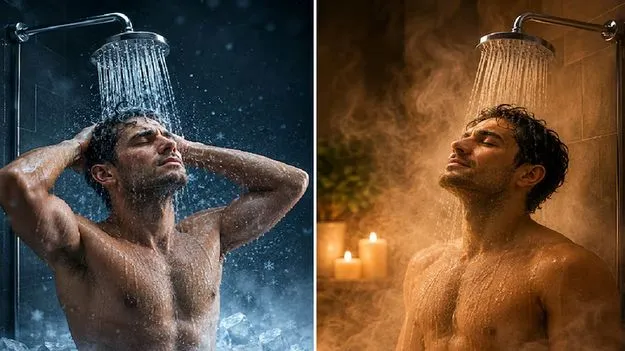
ఉదయం చల్లటి నీటితో స్నానమా? రాత్రి వేడి నీటితో స్నానమా? ఆరోగ్యానికి ఏది మంచిదో తెలుసా?
ఉదయం చల్లటి నీటితో స్నానం చేయడం వల్ల చురుకుదనం పెరుగుతుందా? రాత్రి గోరువెచ్చని నీటితో స్నానం చేస్తే నిద్ర బాగా పడుతుందా? స్నానం చేసే నీటి ఉష్ణోగ్రతకు ఆరోగ్యంతో సంబంధం ఉందా? నిపుణులు, పరిశోధనలు ఏం చెబుతున్నాయంటే..
స్నానం మన రోజువారీ జీవితంలో అత్యంత సాధారణమైన అలవాటు. అయితే స్నానం చేసే నీటి ఉష్ణోగ్రత కూడా మన శరీరంపై ప్రభావం చూపుతుందని ఆరోగ్య పరిశోధనలు సూచిస్తున్నాయి. ముఖ్యంగా చల్లటి నీటితో స్నానం, గోరువెచ్చని నీటితో స్నానం, వేడి నీటితో స్నానం—వీటికి వేర్వేరు ప్రభావాలు ఉంటాయి.
ఉదయం నిద్రలేచిన వెంటనే చల్లటి నీటితో స్నానం చేస్తే చురుకుదనం పెరగవచ్చు. మరోవైపు, రాత్రి పడుకునే ముందు గోరువెచ్చని నీటితో స్నానం చేయడం శరీరాన్ని రిలాక్స్ చేయడంతో పాటు నిద్ర పట్టడానికి సహాయపడవచ్చని పరిశోధనలు చెబుతున్నాయి.
అయితే ఇక్కడ ఒక విషయం గుర్తుంచుకోవాలి. చాలా చల్లటి నీరు లేదా చాలా వేడి నీరు అందరికీ అనుకూలం కాదు. వ్యక్తి ఆరోగ్య పరిస్థితి, వయసు, చర్మ స్వభావం, వాతావరణం వంటి అంశాలను కూడా పరిగణనలోకి తీసుకోవాలి.
ఉదయం చల్లటి నీటితో స్నానం చేస్తే ఏమవుతుంది?
చల్లటి నీటితో స్నానం చేయడం వల్ల శరీరానికి ఒక్కసారిగా చల్లదనం తగలడంతో అప్రమత్తత, చురుకుదనం పెరిగినట్లు అనిపించవచ్చు. ఉదయం నిద్రమత్తుగా ఉన్న సమయంలో చల్లటి నీరు శరీరాన్ని మేల్కొలిపిన భావనను కలిగించవచ్చు.
ఇదే కారణంగా కొంతమంది ఉదయం cold showerను తమ రోజువారీ రొటీన్లో భాగంగా చేసుకుంటారు.
అయితే చల్లటి నీటితో స్నానం చేస్తే రోగనిరోధక శక్తి భారీగా పెరుగుతుంది, బరువు వేగంగా తగ్గుతుంది లేదా అన్ని ఆరోగ్య సమస్యలు పరిష్కారమవుతాయి వంటి వాదనలకు ప్రస్తుతం బలమైన ఆధారాలు లేవు. 2025లో ప్రచురితమైన పరిశోధనల సమీక్షలో చల్లటి నీటిలో మునకలు లేదా cold exposure వల్ల కొన్ని ప్రయోజనాలు కనిపించినప్పటికీ, మరింత నాణ్యమైన పరిశోధన అవసరమని నిపుణులు పేర్కొన్నారు.
వ్యాయామం తర్వాత చల్లటి నీటితో స్నానం మంచిదేనా?
వ్యాయామం చేసిన తర్వాత కండరాల్లో నొప్పి, అలసట లేదా బిగుతు రావడం సాధారణం. ఈ సమయంలో చల్లటి నీటితో స్నానం లేదా cold-water exposure కొంతమందికి ఉపశమనంగా అనిపించవచ్చు.
అయితే వ్యాయామం తర్వాత చల్లటి నీరు కండరాల నొప్పిని తప్పనిసరిగా తగ్గిస్తుంది అని చెప్పడానికి ఆధారాలు ఇంకా పరిమితంగానే ఉన్నాయి. ముఖ్యంగా extreme cold exposure విషయంలో పరిశోధనల్లో అనేక పరిమితులు ఉన్నాయని Cochrane సమీక్షలు సూచిస్తున్నాయి.
అందువల్ల చల్లటి నీటితో స్నానం = వ్యాయామం తర్వాత తప్పనిసరి చికిత్స అని భావించకూడదు.
గుండె సమస్యలు ఉన్నవారు జాగ్రత్త
చాలా చల్లటి నీటిలో ఒక్కసారిగా మునగడం లేదా extreme cold exposure చేయడం వల్ల శరీరంపై అకస్మాత్తుగా ఒత్తిడి పడవచ్చు.
ముఖ్యంగా గుండె జబ్బులు, అధిక రక్తపోటు, మధుమేహం లేదా రక్త ప్రసరణ సమస్యలు ఉన్నవారు cold plunge లేదా తీవ్రమైన చల్లటి నీటి స్నానం ప్రారంభించే ముందు వైద్యుడిని సంప్రదించడం మంచిదని Harvard Health సూచిస్తోంది.
అందువల్ల ఆరోగ్యంగా ఉన్నవారు కూడా ఒక్కసారిగా మంచు నీటిలోకి వెళ్లడం కంటే శరీరానికి అనుకూలమైన ఉష్ణోగ్రతను ఎంచుకోవడం మంచిది.
రాత్రి గోరువెచ్చని నీటితో స్నానం ఎందుకు మంచిది?
రోజంతా పని చేసి అలసిపోయిన తర్వాత గోరువెచ్చని నీటితో స్నానం చేస్తే కండరాల్లోని ఒత్తిడి తగ్గి శరీరం రిలాక్స్గా అనిపించవచ్చు.
ముఖ్యంగా నిద్ర విషయంలో గోరువెచ్చని స్నానానికి కొంత శాస్త్రీయ ఆధారం ఉంది.
2019లో ప్రచురితమైన systematic review, meta-analysisలో 40–42.5°C ఉష్ణోగ్రత వద్ద warm shower లేదా bathను నిద్రకు సుమారు 1–2 గంటల ముందు తీసుకోవడం వల్ల నిద్ర పట్టే సమయం తగ్గడం, self-reported sleep quality మరియు sleep efficiency మెరుగుపడటం వంటి ప్రయోజనాలు కనిపించాయి.
ఎందుకు ఇలా జరుగుతుంది?
గోరువెచ్చని నీటితో స్నానం చేసిన తర్వాత శరీరంలోని వేడి బయటకు వెదజల్లే ప్రక్రియ పెరుగుతుంది. అనంతరం శరీర ఉష్ణోగ్రత క్రమంగా తగ్గడం నిద్రకు శరీరం సిద్ధమయ్యే సహజ ప్రక్రియలకు అనుకూలంగా ఉండవచ్చని పరిశోధకులు భావిస్తున్నారు.
అందుకే రాత్రి నిద్ర పట్టడం ఆలస్యం అవుతున్నవారికి గోరువెచ్చని నీటితో స్నానం ఒక సులభమైన bedtime routineగా ఉపయోగపడవచ్చు.
అయితే వేడి నీటితో స్నానం అంటే ఎంత వేడి?
ఇక్కడే చాలామంది పొరబడుతారు.
గోరువెచ్చని నీరు మరియు మరీ వేడి నీరు ఒకటే కాదు.
చాలా వేడి నీటితో స్నానం చేయడం వల్ల చర్మం పొడిబారడం, సహజ నూనెలు తగ్గడం, కొంతమందిలో చర్మం చికాకు కలగడం వంటి సమస్యలు రావచ్చు.
కాబట్టి శరీరానికి సౌకర్యంగా అనిపించే వెచ్చని నీటిని ఉపయోగించడం మంచిది. నిద్రపై పరిశోధనల్లో 40–42.5°C పరిధి అధ్యయనం చేయబడింది కానీ దీనిని ప్రతి వ్యక్తి తప్పనిసరిగా అదే ఉష్ణోగ్రతలో స్నానం చేయాలనే సూచనగా భావించకూడదు.
చల్లటి నీరా? గోరువెచ్చని నీరా? ఎప్పుడు ఏది?
సులభంగా చెప్పాలంటే—
ఉదయం:
చురుకుదనం, అప్రమత్తత కోసం కొంతమందికి చల్లటి లేదా సాధారణ ఉష్ణోగ్రత నీరు అనుకూలంగా ఉండవచ్చు.
వ్యాయామం తర్వాత:
చల్లటి నీరు కొంతమందికి కండరాల అలసట నుంచి ఉపశమనం కలిగించవచ్చు. అయితే ఇది తప్పనిసరి కాదు.
రాత్రి:
శరీరాన్ని రిలాక్స్ చేసి నిద్రకు సిద్ధం కావాలంటే గోరువెచ్చని నీటితో స్నానం ఉపయోగకరంగా ఉండవచ్చు.
పొడి చర్మం ఉన్నవారు:
చాలా వేడి నీటిని నివారించడం మంచిది. సాధారణ లేదా గోరువెచ్చని నీరు చర్మానికి సౌకర్యంగా ఉండవచ్చు.
ఉదయం చల్లటి నీటితో స్నానం చేయాలా?
చేయవచ్చు. కానీ అందరూ తప్పనిసరిగా చల్లటి నీటితోనే స్నానం చేయాలి అనే నియమం లేదు.
చల్లటి నీటితో స్నానం చేసినప్పుడు వణుకు, అసౌకర్యం, శ్వాసలో ఇబ్బంది లేదా గుండె దడ వంటి లక్షణాలు కనిపిస్తే వెంటనే ఆపాలి. ముఖ్యంగా గుండె సంబంధిత సమస్యలు లేదా అధిక రక్తపోటు ఉన్నవారు వైద్య సలహా తీసుకోవడం మంచిది.
రాత్రి వేడి నీటితో స్నానం చేస్తే నిద్ర బాగా పడుతుందా?
గోరువెచ్చని నీటితో స్నానం కొంతమందికి నిద్ర పట్టడంలో సహాయపడవచ్చు. పరిశోధనల్లో bedtimeకు 1–2 గంటల ముందు warm shower/bath తీసుకోవడం ప్రయోజనకరంగా కనిపించింది.
అయితే నిద్రలేమికి ఇది శాశ్వత చికిత్స కాదు. తరచూ నిద్ర సమస్యలు ఉంటే వాటికి ఇతర కారణాలు కూడా ఉండవచ్చు.
చివరగా ఏది బెస్ట్?
నిజానికి “చల్లటి నీరే మంచిది” లేదా “వేడి నీరే మంచిది” అని ఒకే సమాధానం లేదు.
మీ లక్ష్యాన్ని బట్టి స్నానం చేసే నీటి ఉష్ణోగ్రతను ఎంచుకోవడం మంచిది.
ఉదయం చురుకుదనం కోసం — చల్లటి/సాధారణ నీరు
కండరాల రిలాక్సేషన్ కోసం — గోరువెచ్చని నీరు
రాత్రి నిద్రకు సిద్ధం కావడానికి — గోరువెచ్చని నీరు
పొడి చర్మం ఉన్నప్పుడు — చాలా వేడి నీటికి దూరంగా ఉండటం
ముఖ్యంగా అతి చల్లటి నీరు, అతి వేడి నీరు రెండింటినీ నివారించడం సురక్షితమైన సాధారణ నియమం.
To get more interesting news, click the link below.
Cold Shower vs Warm Shower: Which Is Better for Your Health and Sleep?
Cold shower or warm shower—which is better for your health? This is a common question for people who want to improve their morning routine, recover after exercise or sleep better at night. While both cold showers and warm showers can offer certain benefits, the ideal shower temperature depends on the time of day, your health condition and your personal comfort.
A cold shower may help you feel more alert and energetic in the morning, while a warm shower may help relax tired muscles and prepare your body for sleep. However, extremely cold or extremely hot water is not suitable for everyone.
Cold Shower in the Morning: Can It Boost Alertness?
Taking a cold shower in the morning can make you feel more awake and alert. Exposure to cold water stimulates the body’s nervous system and may temporarily increase alertness, helping reduce the feeling of morning sleepiness.
This is one reason why cold showers have become popular among people looking for a refreshing morning routine.
However, claims that cold showers can cure health problems, dramatically boost immunity or rapidly burn body fat should be treated cautiously. Research on cold-water exposure suggests some potential benefits, but stronger evidence is still needed.
Cold Shower After Exercise: Is It Beneficial?
After exercise, muscle soreness and fatigue are common. Some people use cold showers or cold-water immersion as part of their recovery routine.
Cold-water exposure may help some people feel less muscle soreness and discomfort after strenuous exercise. However, it should not be considered a guaranteed treatment for muscle pain or inflammation.
More importantly, suddenly exposing the body to extremely cold water can place stress on the cardiovascular system.
People with heart disease, abnormal heart rhythms or certain blood pressure conditions should consult a healthcare professional before trying very cold showers or cold plunges.
Warm Shower at Night: Can It Help You Sleep Better?
For people who struggle with relaxation or sleep, a warm shower before bed may be a useful part of a nighttime routine.
Research has found that taking a warm shower or bath approximately 1–2 hours before bedtime may help people fall asleep faster and improve certain measures of sleep quality.
A warm shower can help relax the body and tired muscles after a long day. After the shower, the body’s core temperature gradually decreases. This natural temperature change may help prepare the body for sleep.
Studies have examined warm-water bathing at temperatures around 40–42.5°C, particularly when performed 1–2 hours before bedtime.
Why Does a Warm Shower Help With Sleep?
Your body naturally undergoes changes in temperature as part of its sleep-wake cycle.
A warm shower before bed can increase blood flow to the skin and encourage heat loss after leaving the shower. As the body gradually cools down, this may support the physiological processes associated with sleep.
Therefore, a warm shower at night may be particularly useful for people who want to establish a relaxing bedtime routine.
Cold Shower vs Warm Shower: Which One Is Better?
There is no single answer to whether a cold shower or warm shower is better.
The choice largely depends on what you want from your shower.
For morning alertness: A cold or cool shower may help you feel more awake.
For relaxation: A warm shower may help loosen tired muscles and reduce the feeling of physical tension.
For better sleep: A warm shower approximately 1–2 hours before bedtime may be beneficial.
After intense exercise: Cold-water exposure may provide temporary relief from muscle soreness for some people, although it is not essential for recovery.
Is Very Hot Water Good for Your Skin?
Not necessarily.
Although a hot shower may feel relaxing, very hot water can dry the skin by removing natural oils from the skin’s surface. People with dry or sensitive skin may experience increased dryness or irritation after frequent hot showers.
For everyday bathing, comfortably warm water is generally a better choice than extremely hot water.
Is Extremely Cold Water Safe for Everyone?
No.
A sudden exposure to very cold water can trigger a strong physiological response, including rapid breathing and changes in heart rate and blood pressure.
People with cardiovascular conditions should be particularly cautious about cold showers and cold plunges. Anyone experiencing dizziness, chest discomfort, breathing difficulty or unusual heart palpitations should stop the exposure and seek appropriate medical advice.
What Is the Best Shower Temperature?
The best shower temperature is one that is comfortable and does not cause excessive stress to your body or skin.
For most people, moderate or comfortably warm water is suitable for regular bathing. A cool or cold shower can be used if it feels comfortable and there are no medical reasons to avoid it.
The key is to avoid extremes.
Morning vs Night Shower: What Should You Choose?
If your main goal is to feel fresh and alert in the morning, a cool or cold shower may be worth trying.
If your goal is relaxation and better sleep, a warm shower in the evening may be a better option.
For people who exercise regularly, cold-water exposure can be considered as one recovery strategy, but it should not replace adequate rest, hydration, nutrition and appropriate exercise recovery.
Bottom Line
Both cold showers and warm showers have potential benefits, but they serve different purposes.
A cold shower may provide a refreshing feeling and increase morning alertness. A warm shower may help relax muscles and support a better bedtime routine. Research also suggests that taking a warm shower or bath around 1–2 hours before sleep may help improve sleep onset and sleep quality.
However, extremely hot or extremely cold showers are not suitable for everyone. People with heart conditions, blood-pressure problems or other medical concerns should seek professional advice before deliberately exposing themselves to extreme temperatures.
Ultimately, the best shower routine is one that fits your health, comfort and daily schedule.
Satya Telangana is a Telugu daily newspaper delivering the latest news and updates