

వయసు పెరిగేకొద్దీ కండరాల బలం తగ్గుతోందా? ఈ లక్షణాలు కనిపిస్తే జాగ్రత్త.. సార్కోపెనియా కావచ్చు!
హైదరాబాద్: వయసు పెరిగే కొద్దీ శరీరంలో అనేక సహజ మార్పులు చోటుచేసుకుంటాయి. అయితే కండరాల పరిమాణం, బలం గణనీయంగా తగ్గడం మాత్రం సాధారణ వృద్ధాప్య మార్పుగా తీసుకుని నిర్లక్ష్యం చేయకూడదు. కండరాల బలం, పరిమాణం, పనితీరు క్రమంగా తగ్గే పరిస్థితిని సార్కోపెనియా అంటారు. వయసు పెరిగే కొద్దీ సార్కోపెనియా ముప్పు పెరిగే అవకాశం ఉంటుంది.
కండరాల బలహీనత తీవ్రంగా మారితే రోజువారీ పనులపైనా ప్రభావం పడుతుంది. నడవడం, మెట్లు ఎక్కడం, కుర్చీలోంచి లేవడం, ఎక్కువసేపు నిలబడటం వంటి సాధారణ పనులు కూడా కష్టంగా మారవచ్చు. అంతేకాకుండా శరీర సమతుల్యత దెబ్బతిని పడిపోయే ప్రమాదం కూడా పెరగవచ్చు. అందువల్ల సార్కోపెనియా లక్షణాలను ప్రారంభ దశలోనే గుర్తించడం చాలా ముఖ్యం.
సార్కోపెనియా అంటే ఏమిటి?
సార్కోపెనియా అనేది వయసుతో సంబంధం ఉన్న కండరాల నష్టం. ఇందులో కేవలం కండరాల పరిమాణం తగ్గడం మాత్రమే కాకుండా కండరాల బలం, శారీరక పనితీరు కూడా తగ్గవచ్చు. ముఖ్యంగా వృద్ధుల్లో ఈ సమస్య ఎక్కువగా కనిపించే అవకాశం ఉంటుంది.
చాలామంది చేతులు, కాళ్లలో బలం తగ్గడం లేదా నడవడానికి ఇబ్బంది పడటాన్ని వృద్ధాప్యంలో సహజంగా వచ్చే మార్పుగా భావిస్తారు. కానీ కండరాల బలహీనత క్రమంగా పెరుగుతుంటే దాని వెనుక సార్కోపెనియా వంటి పరిస్థితి ఉందేమో వైద్యుల ద్వారా పరీక్షించుకోవడం అవసరం.
సార్కోపెనియా ఎందుకు వస్తుంది?
సార్కోపెనియా కారణాలు ఒక్కటే ఉండవు. వయసుతో పాటు శారీరక చురుకుదనం తగ్గడం, సరైన పోషకాహారం తీసుకోకపోవడం వంటి అంశాలు కండరాల ఆరోగ్యాన్ని ప్రభావితం చేయవచ్చు.
ముఖ్యంగా..
- వయసు పెరగడం
- శారీరక శ్రమ, వ్యాయామం తగ్గడం
- ఆహారంలో తగినంత ప్రొటీన్ లేకపోవడం
- హార్మోన్లలో వయసుతో వచ్చే మార్పులు
- దీర్ఘకాలిక ఆరోగ్య సమస్యలు
- మధుమేహం వంటి కొన్ని వ్యాధులు
- శరీరంలో జరిగే కొన్ని దీర్ఘకాలిక వాపు ప్రక్రియలు
వంటి అంశాలు కండరాల బలం తగ్గడానికి కారణం కావచ్చు.
సార్కోపెనియా ప్రారంభ లక్షణాలు ఇవే
సార్కోపెనియా ప్రారంభ లక్షణాలు మొదట్లో చాలా స్వల్పంగా ఉండొచ్చు. అందువల్ల వాటిని చాలామంది పట్టించుకోరు. అయితే కింది మార్పులు తరచుగా కనిపిస్తే జాగ్రత్తగా ఉండాలి.
చేతులు, కాళ్లలో బలం తగ్గడం: గతంలో సులభంగా చేసిన పనులు ఇప్పుడు ఎక్కువ శ్రమతో చేయాల్సి రావడం.
మెట్లు ఎక్కడంలో ఇబ్బంది: కొద్దిపాటి మెట్లు ఎక్కడానికే ఎక్కువగా అలసిపోవడం లేదా బలం సరిపోకపోవడం.
కుర్చీలోంచి లేవడం కష్టంగా మారడం: చేతుల సహాయం లేకుండా కుర్చీలోంచి లేవడానికి ఇబ్బంది పడటం కండరాల బలహీనతకు సంకేతంగా ఉండొచ్చు.
నడిచేటప్పుడు బ్యాలెన్స్ తప్పడం: శరీర సమతుల్యత తగ్గడం వల్ల నడకలో తడబడే పరిస్థితి రావచ్చు.
పడిపోతామనే భయం: కాళ్లలో బలం, బ్యాలెన్స్ తగ్గడంతో తరచూ పడిపోతామేమోననే భయం కలగవచ్చు.
త్వరగా అలసిపోవడం: గతంతో పోలిస్తే స్వల్ప శారీరక శ్రమకే ఎక్కువగా అలసిపోవడం కనిపించవచ్చు.
కారణం లేకుండా బరువు తగ్గడం: ఉద్దేశపూర్వకంగా ఆహారం తగ్గించకపోయినా బరువు తగ్గుతుంటే దానిని నిర్లక్ష్యం చేయకూడదు.
అయితే ఈ లక్షణాలు కనిపించినంత మాత్రాన సార్కోపెనియా ఉన్నట్లు నిర్ధారించలేం. ఇతర ఆరోగ్య సమస్యలు కూడా ఇలాంటి లక్షణాలకు కారణం కావచ్చు. అందువల్ల అనుమానం ఉంటే వైద్యులను సంప్రదించి అవసరమైన పరీక్షలు చేయించుకోవాలి.
సార్కోపెనియాను ఎలా నియంత్రించాలి?
సార్కోపెనియా నివారణ, నియంత్రణలో శారీరక చురుకుదనం కీలక పాత్ర పోషిస్తుంది. ముఖ్యంగా వైద్యులు లేదా ఫిజియోథెరపిస్టుల సూచనల మేరకు చేసే స్ట్రెంగ్త్ ట్రైనింగ్ (Strength Training) కండరాల బలాన్ని కాపాడుకోవడంలో సహాయపడవచ్చు.
అలాగే రోజువారీ ఆహారంలో తగినంత పోషకాలు ఉండేలా చూసుకోవాలి. ముఖ్యంగా శరీరానికి అవసరమైన ప్రొటీన్ అందేలా సమతుల్య ఆహారం తీసుకోవడం ముఖ్యం. విటమిన్ డి, కాల్షియం వంటి పోషకాలు కూడా ఎముకలు, కండరాల ఆరోగ్యానికి అవసరం.
అయితే ప్రతి వ్యక్తి పోషక అవసరాలు ఒకేలా ఉండవు. అందువల్ల స్వయంగా సప్లిమెంట్లు తీసుకోవడం కంటే వైద్యులు లేదా పోషకాహార నిపుణుల సలహా తీసుకోవడం మంచిది.
ఈ అలవాట్లు కండరాల ఆరోగ్యానికి ఉపయోగకరం
సార్కోపెనియా ముప్పును తగ్గించుకోవడానికి వయసుకు, ఆరోగ్య పరిస్థితికి అనుగుణంగా శారీరక చురుకుదనాన్ని కొనసాగించడం ఉపయోగకరంగా ఉంటుంది. తగినంత నిద్ర, సమతుల్య ఆహారం, క్రమం తప్పకుండా వ్యాయామం చేయడం, ధూమపానానికి దూరంగా ఉండడం వంటి ఆరోగ్యకరమైన అలవాట్లు కూడా కండరాల ఆరోగ్యానికి తోడ్పడవచ్చు.
ముఖ్యంగా గుర్తుంచుకోవాల్సింది..
వయసు పెరగడం సహజమే అయినప్పటికీ కండరాల బలహీనతను పూర్తిగా సాధారణ వృద్ధాప్య లక్షణంగా భావించి నిర్లక్ష్యం చేయకూడదు. మెట్లు ఎక్కడం, నడవడం, కుర్చీలోంచి లేవడం వంటి రోజువారీ పనుల్లో బలం తగ్గుతున్నట్లు అనిపిస్తే ముందుగానే వైద్యుల సలహా తీసుకోవడం మంచిది. ప్రారంభ దశలో గుర్తించడం ద్వారా శారీరక పనితీరును కాపాడుకునేందుకు తగిన చర్యలు తీసుకునే అవకాశం ఉంటుంది.
To get more interesting news, click the link below.
Sarcopenia Warning Signs of Muscle Loss With Age You Should Not Ignore
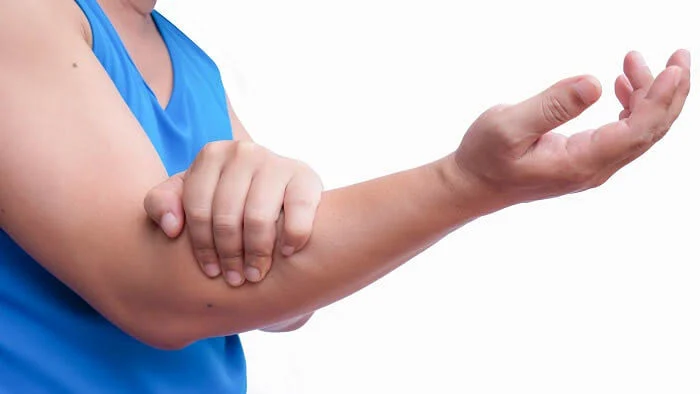
Hyderabad: Ageing brings several changes to the human body, but a significant decline in muscle strength and muscle mass should not always be dismissed as a normal part of getting older. A condition known as sarcopenia can gradually reduce muscle strength, physical performance and the ability to carry out everyday activities.
Sarcopenia, commonly associated with ageing, can make routine activities such as walking, climbing stairs, standing up from a chair and maintaining balance increasingly difficult. Identifying the early symptoms of sarcopenia is therefore important so that appropriate lifestyle and medical measures can be considered at an early stage.
What is sarcopenia?
Sarcopenia is a condition characterised by a progressive decline in skeletal muscle mass and muscle strength. It becomes more common with advancing age and can affect physical independence and mobility.
While some degree of muscle loss may occur with ageing, significant muscle weakness can interfere with daily life. Older adults may gradually notice that activities they previously performed easily now require considerably more effort.
Why does sarcopenia occur?
Age-related changes are one of the major factors associated with sarcopenia. As people grow older, physical activity may decline, while inadequate nutrition can make it harder for the body to maintain healthy muscles.
One important nutritional factor is protein intake. Insufficient protein in the diet may contribute to muscle weakness and loss of muscle mass. Changes in hormones associated with ageing can also influence muscle health.
Other factors that may contribute to or worsen muscle loss include:
- Reduced physical activity
- Inadequate protein and overall nutrition
- Age-related hormonal changes
- Certain chronic health conditions
- Diabetes and other metabolic disorders
- Long-term inflammatory processes in the body
Because multiple factors can contribute to sarcopenia, the condition may vary significantly from one person to another.
Early symptoms of sarcopenia
The symptoms of sarcopenia can initially be subtle. Many people may overlook them or assume they are simply a consequence of ageing.
However, the following warning signs should not be ignored:
Muscle weakness in the arms and legs
A noticeable reduction in strength while lifting objects, walking or performing routine household activities can be an early sign of muscle weakness.
Difficulty climbing stairs
If climbing stairs becomes unusually difficult or requires frequent breaks, declining leg strength may be involved.
Difficulty getting up from a chair
Having to use the arms to push oneself up from a chair or requiring considerably more effort to stand may indicate reduced lower-body muscle strength.
Poor balance while walking
Loss of muscle strength can affect mobility and balance. This may increase concerns about falling, particularly among older adults.
Fear of falling
Repeated instability or weakness may lead people to become increasingly cautious because they fear falling while walking or standing.
Getting tired quickly
Unusual fatigue during routine physical activities may also accompany declining muscle strength and physical performance.
Unexplained weight loss
Unexpected weight loss can have several causes. When it occurs along with muscle weakness and reduced physical performance, it should be discussed with a healthcare professional.
Importantly, these symptoms do not by themselves confirm sarcopenia. Several other medical conditions can produce similar symptoms. Proper clinical evaluation is therefore important when persistent muscle weakness or mobility problems develop.
How can sarcopenia be managed?
Early recognition of sarcopenia can help people take steps to maintain muscle strength and physical function.
One of the key approaches to maintaining muscle health is strength training. Resistance or strength-based exercises, when appropriate for a person’s age and health condition, can help support muscle strength. Older adults should ideally perform exercises under the guidance of a doctor, physiotherapist or qualified fitness professional when necessary.
Regular physical activity can also help reduce prolonged inactivity, which may contribute to further muscle loss.
Protein and nutrition are important
A balanced diet is another important part of maintaining healthy muscles. Adequate protein intake is particularly important because protein provides the amino acids needed for muscle maintenance and repair.
Nutrients such as vitamin D and calcium are also important for overall musculoskeletal health.
However, nutritional requirements differ from person to person. People should not start high-dose supplements on their own. A doctor or qualified nutrition professional can determine whether supplementation is appropriate based on an individual’s health and nutritional status.
Healthy habits that support muscle health
Along with strength training and good nutrition, several healthy lifestyle habits can support overall muscle health.
These include:
- Staying physically active according to individual ability
- Following a balanced and protein-rich diet
- Getting adequate sleep
- Avoiding prolonged physical inactivity
- Avoiding smoking
- Managing existing chronic health conditions
- Seeking medical advice when persistent weakness develops
When should you see a doctor?
Persistent muscle weakness, difficulty walking, repeated balance problems, unexplained weight loss or increasing difficulty performing everyday activities should not simply be attributed to ageing.
A healthcare professional can assess the symptoms and determine whether sarcopenia or another underlying health condition may be responsible. Early assessment can help identify appropriate exercise, nutrition and medical strategies to preserve mobility and independence.
Bottom line
Sarcopenia is more than ordinary age-related weakness. Progressive muscle loss can affect mobility, balance and the ability to perform everyday activities. Recognising the early symptoms of sarcopenia, staying physically active, maintaining adequate nutrition and getting professional advice when necessary can help protect muscle health as people age.
Satya Telangana is a Telugu daily newspaper delivering the latest news and updates