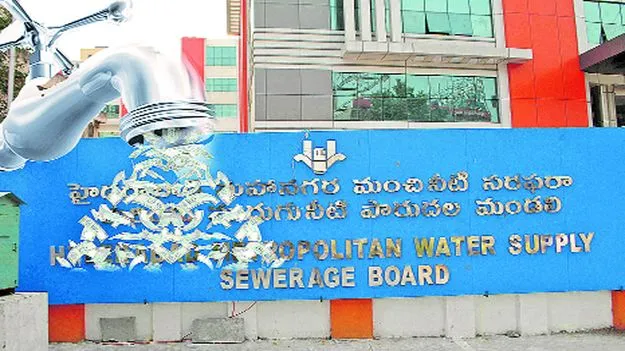
హైదరాబాద్ వాటర్బోర్డులో బిల్లుల చెల్లింపుల అక్రమాల కలకలం.. పనులు చేయకుండానే రూ.1.31 కోట్ల చెల్లింపు!
ఫైనాన్స్ విభాగంపై అవినీతి ఆరోపణలు.. కాంట్రాక్టర్ల బిల్లుల్లో భారీ అక్రమాలున్నాయనే అనుమానాలు
డిప్యూటేషన్ ఫైనాన్స్ డైరెక్టర్ కారులో రూ.2.40 లక్షలు లభ్యమైన నేపథ్యంలో వెలుగులోకి వస్తున్న వ్యవహారాలు
ప్రైవేటు బ్యాంకు ద్వారా లావాదేవీలు, అదనపు చెల్లింపులు, బంధువులకు కాంట్రాక్టులు ఇచ్చారనే ఆరోపణలు
హైదరాబాద్: హైదరాబాద్ వాటర్బోర్డులో కాంట్రాక్టర్ల బిల్లుల చెల్లింపుల వ్యవహారం వివాదాస్పదంగా మారుతోంది. ప్రజలకు అత్యవసరమైన తాగునీటి సరఫరా, మురుగునీటి నిర్వహణ పనులకు సంబంధించిన బిల్లుల చెల్లింపుల్లో అక్రమాలు జరుగుతున్నాయనే ఆరోపణలు కలకలం రేపుతున్నాయి. కొందరు కాంట్రాక్టర్లు పనులు పూర్తిచేసినా బిల్లులు పొందేందుకు ఇబ్బందులు పడుతుండగా, మరికొన్ని సంస్థలకు పనులు చేయకుండానే బిల్లులు చెల్లించారనే ఆరోపణలు వెలుగులోకి వస్తున్నాయి. ఈ నేపథ్యంలో వాటర్బోర్డు ఫైనాన్స్ విభాగం పనితీరుపై ఉన్నతాధికారులు దృష్టి సారించినట్లు సమాచారం.
ఫైనాన్స్ విభాగంలోని కొందరు అధికారులు కాంట్రాక్టర్లకు అనుకూలంగా వ్యవహరిస్తూ, బిల్లుల చెల్లింపుల్లో అక్రమాలకు పాల్పడుతున్నారనే ఆరోపణలు వినిపిస్తున్నాయి. చెల్లించాల్సిన మొత్తానికి మించి అదనపు నిధులు విడుదల చేశారనే అనుమానాలు కూడా వ్యక్తమవుతున్నాయి. ఈ ఆరోపణలన్నీ విచారణలో నిర్ధారణ కావాల్సి ఉన్నప్పటికీ, వాటర్బోర్డు ఆర్థిక లావాదేవీల పారదర్శకతపై ప్రశ్నలు తలెత్తుతున్నాయి.
వాటర్బోర్డు ఫైనాన్స్ విభాగంలో ఏం జరుగుతోంది?
హైదరాబాద్ వాటర్బోర్డులో ప్రతి నెలా తాగునీటి సరఫరా, మురుగునీటి నిర్వహణ, మరమ్మతులు, నిర్వహణ పనుల కోసం వందల కోట్ల రూపాయల వ్యయం జరుగుతున్నట్లు కథనంలో పేర్కొన్న వివరాలు సూచిస్తున్నాయి. ఈ పనులకు సంబంధించిన బిల్లుల చెల్లింపుల్లో ఫైనాన్స్ విభాగం కీలక పాత్ర పోషిస్తుంది. దీంతో ఈ విభాగంలో విధులు నిర్వహించే అధికారుల నిర్ణయాలు, చెల్లింపుల ప్రక్రియ, ఆర్థిక నియంత్రణ వ్యవస్థ అత్యంత ప్రాధాన్యం సంతరించుకున్నాయి.
అయితే, బిల్లుల చెల్లింపుల్లో కొందరు కాంట్రాక్టర్లకు ప్రాధాన్యం ఇస్తున్నారనే ఆరోపణలు వినిపిస్తున్నాయి. పనులు పూర్తిచేసిన సంస్థలకు బిల్లులు ఆలస్యమవుతుండగా, మరికొన్ని సంస్థలకు వేగంగా చెల్లింపులు జరుగుతున్నాయనే విమర్శలు ఉన్నాయి. బిల్లుల మంజూరుకు సంబంధించి నిబంధనలు పాటిస్తున్నారా? పనులు పూర్తయినట్లు ధ్రువీకరించిన తర్వాతే చెల్లింపులు చేస్తున్నారా? అదనపు మొత్తాలు విడుదల చేయడానికి అనుమతులు ఉన్నాయా? అనే అంశాలపై స్పష్టత రావాల్సి ఉంది.
పనులు చేయకుండానే రూ.1.31 కోట్లు చెల్లించారా?
వాటర్బోర్డు ఫైనాన్స్ విభాగంలో చోటుచేసుకున్నట్లు ఆరోపణలు ఎదుర్కొంటున్న వ్యవహారాల్లో కలగ్భూర్ వాటర్ ట్రీట్మెంట్ ప్లాంట్కు సంబంధించిన చెల్లింపు ప్రధానంగా చర్చకు వస్తోంది. మంజీరా జలాల శుద్ధికి సంబంధించిన ఈ ప్లాంట్ వార్షిక నిర్వహణ పనుల బిల్లుల చెల్లింపు పేరుతో ఈ నెల 12న ఓ ప్రైవేటు బ్యాంకు ద్వారా ఒక నిర్మాణ సంస్థకు రూ.1.31 కోట్లు బదిలీ చేసినట్లు కథనంలో పేర్కొన్నారు.
అయితే, సదరు సంస్థ అక్కడ పనులు చేయలేదని, పనులు చేసినట్లు బిల్లు కూడా సమర్పించలేదని ఆరోపణలు ఉన్నాయి. అయినప్పటికీ వాటర్బోర్డు ఖాతా నుంచి రూ.1.31 కోట్లు బదిలీ కావడం పలు అనుమానాలకు తావిస్తోంది. అసలు ఏ పనుల ఆధారంగా ఈ చెల్లింపు జరిగింది? పనుల పూర్తికి సంబంధించిన ధ్రువీకరణ పత్రాలు ఉన్నాయా? బిల్లును పరిశీలించి ఆమోదించిన అధికారులు ఎవరు? చెల్లింపునకు ఎవరు అనుమతిచ్చారు? అనే ప్రశ్నలు తలెత్తుతున్నాయి.
ఈ చెల్లింపులో భాగంగా సదరు సంస్థ తన ఖాతా నుంచి దాదాపు రూ.28 లక్షలు డ్రా చేసినట్లు సమాచారం. ఆ నగదును ఏ అవసరానికి వినియోగించారు? చెల్లింపులకు సంబంధించి ఆర్థిక లావాదేవీల వివరాలు ఏమిటి? అనే అంశాలు పరిశీలించాల్సి ఉంది. అయితే, ఈ మొత్తాన్ని ఎవరికి చెల్లించారనే విషయంపై అందుబాటులో ఉన్న సమాచారం ఆధారంగా నిర్ధారణకు రావడం సాధ్యం కాదు.
ఈ వ్యవహారం ఉన్నతాధికారుల దృష్టికి చేరడంతో సంబంధిత సంస్థకు చెల్లించిన మొత్తాన్ని తిరిగి రాబట్టేందుకు చర్యలు చేపట్టినట్లు సమాచారం. విచారణలో అక్రమ చెల్లింపులు నిర్ధారణ అయితే బాధ్యులపై శాఖాపరమైన చర్యలు తీసుకునే అవకాశం ఉందని సంబంధిత వర్గాలు తెలిపినట్లు కథనంలో పేర్కొన్నారు.
ఫైనాన్స్ డైరెక్టర్ కారులో రూ.2.40 లక్షలు.. విచారణపై ఆసక్తి
వాటర్బోర్డులో డిప్యూటేషన్పై ఫైనాన్స్ డైరెక్టర్గా బాధ్యతలు నిర్వహిస్తున్న శ్రీనివాస్ కారులో ఇటీవల రూ.2.40 లక్షలు లభ్యమైనట్లు కథనంలో పేర్కొన్నారు. ఈ నగదు వ్యవహారంపై అవినీతి నిరోధక శాఖ (ఏసీబీ) అధికారులు విచారణ నిమిత్తం ఆదాయపు పన్ను (ఐటీ) అధికారులకు అప్పగించినట్లు సమాచారం.
ఈ ఘటన నేపథ్యంలో వాటర్బోర్డు ఫైనాన్స్ విభాగంలో జరుగుతున్నట్లు ఆరోపణలు ఎదుర్కొంటున్న ఇతర ఆర్థిక లావాదేవీలపైనా చర్చ మొదలైంది. అయితే, కారులో నగదు లభ్యమైన విషయం ఒక్కటే ఇతర ఆరోపణలను నిర్ధారించదు. నగదు మూలం, దాని వినియోగం, సంబంధిత లావాదేవీలపై అధికారిక విచారణలో తేలే అంశాల ఆధారంగానే తదుపరి నిర్ణయాలు తీసుకోవాల్సి ఉంటుంది.
ప్రైవేటు బ్యాంకు ద్వారా లావాదేవీలు ఎందుకు?
వాటర్బోర్డు ఆర్థిక లావాదేవీల్లో ఓ ప్రైవేటు బ్యాంకుకు అధిక ప్రాధాన్యం ఇస్తున్నారనే ఆరోపణలు కూడా వినిపిస్తున్నాయి. సాధారణంగా ప్రభుత్వ సంస్థల్లో నిధుల నిర్వహణ, బ్యాంకు ఎంపిక, చెల్లింపుల విధానాలకు సంబంధించి నిర్దిష్ట నియమాలు, ఆర్థిక నియంత్రణలు ఉంటాయి. వాటర్బోర్డు లావాదేవీల విషయంలో కూడా వర్తించే నిబంధనలను పాటించారా లేదా అనేది పరిశీలించాల్సిన అంశం.
సదరు ప్రైవేటు బ్యాంకు ఓ అధికారికి కారు బహుమతిగా ఇచ్చిందని, దానిని ఆయనకు సంబంధించిన వ్యక్తి పేరుతో రిజిస్ట్రేషన్ చేయించారనే ఆరోపణలు కథనంలో ప్రస్తావించబడ్డాయి. ఈ ఆరోపణలకు సంబంధించి కారు రిజిస్ట్రేషన్ వివరాలు, బహుమతి స్వరూపం, బ్యాంకు లావాదేవీలు, సంబంధిత అధికారుల వివరణ వంటి ఆధారాలు పరిశీలించిన తర్వాతే వాస్తవాలు నిర్ధారించాల్సి ఉంటుంది.
బ్యాంకు నుంచి ఏదైనా ప్రయోజనం పొందినట్లు నిర్ధారణ అయితే, దానికి ప్రతిఫలంగా వాటర్బోర్డు లావాదేవీల్లో అనుచిత ప్రయోజనం కల్పించారా అనే అంశం కూడా విచారణలో భాగం కావాలి.
అధికారుల బంధువులకు కాంట్రాక్టులు ఇచ్చారనే ఆరోపణలు
వాటర్బోర్డులోని కొన్ని డివిజన్లలో మేనేజర్లు, డిప్యూటీ జనరల్ మేనేజర్లు (డీజీఎంలు), జనరల్ మేనేజర్లు (జీఎంలు) తమకు సన్నిహితులైన వ్యక్తులు, బంధువులకు కాంట్రాక్టులు కల్పిస్తున్నారనే ఆరోపణలు ఉన్నాయి. మరికొన్ని సందర్భాల్లో అధికారుల కుటుంబ సభ్యులకు సంబంధం ఉన్న సంస్థలు నేరుగా కాకుండా ఇతర సంస్థల పేర్లతో పనులు నిర్వహిస్తున్నాయనే అనుమానాలు వ్యక్తమవుతున్నాయి.
ఇలాంటి ఆరోపణలు నిజమైతే, టెండర్ల పారదర్శకత, ప్రయోజనాల సంఘర్షణ (కాన్ఫ్లిక్ట్ ఆఫ్ ఇంటరెస్ట్), పనుల కేటాయింపు విధానాలపై సమగ్ర పరిశీలన అవసరం. కాంట్రాక్టుల మంజూరు, పనుల అమలు, బిల్లుల ధ్రువీకరణ, చెల్లింపుల ఆమోదం వంటి ప్రతి దశలో బాధ్యత వహించిన అధికారుల పాత్రను గుర్తించాలి.
అలాగే, ఫైనాన్స్ విభాగంలోని కొందరు మహిళా అధికారుల భర్తలు కార్యాలయానికి వచ్చి కాంట్రాక్టర్లతో బేరసారాలు జరుపుతున్నారనే ఆరోపణలు కూడా కథనంలో ప్రస్తావించబడ్డాయి. ఈ ఆరోపణలకు సంబంధించి స్వతంత్ర ఆధారాలు, అధికారిక రికార్డులు అందుబాటులోకి వచ్చిన తర్వాతే వాస్తవ పరిస్థితిని నిర్ధారించాల్సి ఉంటుంది.
అత్యవసర పనుల పేరుతో నెలకు రూ.10–20 లక్షల బిల్లులా?
తాగునీటి సరఫరా, మురుగునీటి నిర్వహణ పనులు ప్రజల రోజువారీ జీవితానికి అత్యంత అవసరమైనవి. పైపుల మరమ్మతులు, లీకేజీల నివారణ, మురుగునీటి వ్యవస్థ నిర్వహణ వంటి పనుల్లో అత్యవసర పరిస్థితులు ఏర్పడితే వెంటనే చర్యలు తీసుకోవాల్సి ఉంటుంది.
అయితే, అత్యవసర పనుల పేరుతో కొన్ని డివిజన్లలో ప్రతినెలా నాలుగైదు పనులను కలిపి రూ.10 లక్షల నుంచి రూ.20 లక్షల వరకు బిల్లులు సమర్పిస్తున్నారనే ఆరోపణలు ఉన్నాయి. కొన్ని సందర్భాల్లో పనులు పూర్తికాకపోయినా లేదా పనులు చేయకపోయినా బిల్లులు సమర్పిస్తున్నారనే అనుమానాలు వ్యక్తమవుతున్నాయి.
ఈ నేపథ్యంలో అత్యవసర పనుల రిజిస్టర్లు, వర్క్ ఆర్డర్లు, కొలతల పుస్తకాలు (మెజర్మెంట్ బుక్స్), పనుల పూర్తికి సంబంధించిన ధ్రువీకరణ పత్రాలు, ఫొటోలు, జియోట్యాగ్ రికార్డులు, చెల్లింపుల వివరాలను పరిశీలించాల్సిన అవసరం ఉంది. వాస్తవంగా పనులు జరిగాయా లేదా అన్నది క్షేత్రస్థాయి తనిఖీల ద్వారా నిర్ధారిస్తేనే ప్రభుత్వ నిధుల వినియోగంపై స్పష్టత వస్తుంది.
కూకట్పల్లి వార్షిక నిర్వహణ పనులపై గతంలోనూ ఆరోపణలు
వాటర్బోర్డులో వార్షిక నిర్వహణ పనుల పేరుతో గతంలోనూ భారీ వ్యయంపై ఆరోపణలు వచ్చినట్లు కథనంలో పేర్కొన్నారు. కూకట్పల్లి ప్రాంతంలో వార్షిక నిర్వహణ పనులకు సంబంధించి రూ.10 కోట్లకు పైగా ఖర్చు చేసిన వ్యవహారాన్ని ‘ఆంధ్రజ్యోతి’ గతంలో వెలుగులోకి తీసుకొచ్చినట్లు సమాచారం.
ఈ వ్యవహారంపై సీజీఎం స్థాయి అధికారితో విచారణకు ఆదేశించినప్పటికీ, విచారణ కమిటీ నివేదిక బహిరంగంగా వెల్లడికాలేదని, సంబంధిత అధికారులపై చర్యలు తీసుకున్నట్లు సమాచారం లేదని కథనం పేర్కొంది.
ఈ నేపథ్యంలో పాత ఆరోపణలపై విచారణ ఎక్కడివరకు వచ్చింది? కమిటీ నివేదిక సమర్పించిందా? అక్రమ వ్యయం జరిగినట్లు నిర్ధారణ అయిందా? బాధ్యులపై చర్యలు తీసుకున్నారా? అనే అంశాలపై వాటర్బోర్డు ఉన్నతాధికారులు స్పష్టత ఇవ్వాల్సిన అవసరం ఉంది.
తెలంగాణ అకౌంట్స్ కోడ్ నిబంధనలు పాటిస్తున్నారా?
ప్రభుత్వ నిధుల వ్యయం, బిల్లుల ఆమోదం, చెల్లింపుల ప్రక్రియలో వర్తించే ఆర్థిక నిబంధనలను పాటించడం అత్యంత కీలకం. తెలంగాణ అకౌంట్స్ కోడ్తో పాటు సంబంధిత ప్రభుత్వ ఉత్తర్వులు, వాటర్బోర్డు అంతర్గత విధివిధానాలు వర్తించే మేరకు అనుసరించాల్సి ఉంటుంది.
పనులు పూర్తికాకుండానే బిల్లులు చెల్లించారనే ఆరోపణలు నిజమైతే, అవి కేవలం పరిపాలనా లోపాలకే పరిమితం కాకుండా ప్రభుత్వ నిధుల దుర్వినియోగానికి సంబంధించిన తీవ్రమైన అంశాలుగా మారవచ్చు. అయితే, ఏ నిబంధన ఉల్లంఘించబడింది, ఎవరు బాధ్యులు, చెల్లింపులు ఉద్దేశపూర్వకంగా జరిగాయా అనే విషయాలు రికార్డులు, విచారణ ఆధారంగా నిర్ధారించాలి.
వాటర్బోర్డు ఉన్నతాధికారులు ఏం చేయాలి?
వాటర్బోర్డు ఫైనాన్స్ విభాగంపై వస్తున్న ఆరోపణల నేపథ్యంలో కింది అంశాలపై సమగ్ర విచారణ జరపాల్సిన అవసరం ఉంది.
- కలగ్భూర్ వాటర్ ట్రీట్మెంట్ ప్లాంట్కు సంబంధించిన రూ.1.31 కోట్ల చెల్లింపునకు ఆధారాలు ఏమిటో పరిశీలించాలి.
- సంబంధిత సంస్థకు చెల్లించిన మొత్తాన్ని తిరిగి రాబట్టేందుకు తీసుకున్న చర్యల వివరాలను వెల్లడించాలి.
- పనులు పూర్తికాకుండానే బిల్లులు సమర్పించినట్లు ఆరోపణలు ఎదుర్కొంటున్న కాంట్రాక్టులపై క్షేత్రస్థాయి తనిఖీలు నిర్వహించాలి.
- బిల్లుల ఆమోదం, నిధుల విడుదలలో పాల్గొన్న అధికారుల బాధ్యతను గుర్తించాలి.
- ప్రైవేటు బ్యాంకు లావాదేవీలు, కారు బహుమతి ఆరోపణలు, ప్రయోజనాల సంఘర్షణ అంశాలను ఆధారాలతో పరిశీలించాలి.
- కూకట్పల్లి వార్షిక నిర్వహణ పనులపై గతంలో చేపట్టిన విచారణ పురోగతిని వెల్లడించాలి.
- అక్రమాలు నిర్ధారణ అయిన సందర్భాల్లో వర్తించే నిబంధనల ప్రకారం శాఖాపరమైన, చట్టపరమైన చర్యలు తీసుకోవాలి.
ప్రజాధనానికి రక్షణ కల్పిస్తారా?
హైదరాబాద్ వాటర్బోర్డు నిర్వహించే తాగునీటి సరఫరా, మురుగునీటి నిర్వహణ పనులు లక్షలాది మంది ప్రజల అవసరాలతో ముడిపడి ఉన్నాయి. ఈ పనుల కోసం కేటాయించే నిధులు సక్రమంగా వినియోగం కావడం, కాంట్రాక్టర్లకు పారదర్శకంగా చెల్లింపులు జరగడం, నాణ్యతతో కూడిన పనులు పూర్తికావడం ప్రజా ప్రయోజనాలకు అత్యవసరం.
ఫైనాన్స్ విభాగంలో అక్రమాలు జరుగుతున్నాయనే ఆరోపణలపై ఉన్నతాధికారులు విచారణ చేపట్టినట్లు సమాచారం. అయితే, విచారణ ఎంతవరకు వచ్చింది? ఆరోపణలు ఎదుర్కొంటున్న చెల్లింపుల్లో వాస్తవంగా అక్రమాలు జరిగాయా? బాధ్యులెవరు? ప్రభుత్వ నిధుల రికవరీకి ఏ చర్యలు తీసుకుంటున్నారు? అనే ప్రశ్నలకు అధికారిక సమాధానాలు రావాల్సి ఉంది.
వాటర్బోర్డు ఫైనాన్స్ విభాగంలో పారదర్శకతను పెంచి, బిల్లుల చెల్లింపుల్లో జవాబుదారీతనాన్ని నిర్ధారించి, ప్రజాధనానికి రక్షణ కల్పించేందుకు ఉన్నతాధికారులు ఎలాంటి చర్యలు తీసుకుంటారన్నది ఇప్పుడు ఆసక్తికరంగా మారింది.
To get more interesting news, click the link below.
Hyderabad Water Board Bill Irregularities: Questions Raised Over ₹1.31 Crore Payment
Allegations of irregular contractor payments put Hyderabad Water Board Finance Department under scrutiny
₹2.40 lakh cash reportedly found in Finance Director’s car; questions raised over financial transactions and contract payments
Allegations include payments for work not carried out, excess billing, and possible conflicts of interest
HYDERABAD: Allegations of financial irregularities in the Hyderabad Water Board have raised questions about the transparency of contractor bill payments and the functioning of its Finance Department. According to the information provided in the original report, certain contractors are allegedly facing delays in receiving payments despite completing assigned works, while payments were reportedly made to another construction firm for work it allegedly did not execute.
The reported payment of ₹1.31 crore to a construction company in connection with annual maintenance work at the Kalagbhur Water Treatment Plant has emerged as a key issue. The allegations also refer to a separate cash-related inquiry involving the Water Board’s Finance Director, transactions through a private bank, and possible irregularities in the award of contracts.
Senior officials are reportedly examining aspects of the alleged financial irregularities. However, the allegations require independent verification, and the responsibility of individual officials can be established only through documentary evidence and an appropriate inquiry.
Hyderabad Water Board Finance Department Under Scrutiny
The Hyderabad Water Board is responsible for essential public services, including drinking water supply, sewage management, pipeline maintenance and related infrastructure works. Contractor payments for these services are processed through the financial administration system, making transparency and accountability in the Finance Department particularly important.
The allegations raise concerns about whether contractor bills are being processed in accordance with applicable financial rules and whether payments are supported by verified work orders, completion certificates and measurement records.
According to the supplied report, some contractors allegedly experience delays in receiving payments even after completing their work, while other firms are said to have received payments more quickly. There are also allegations that certain payments exceeded the amounts actually due.
If substantiated, such practices could raise questions about internal financial controls, verification procedures and the equitable treatment of contractors. An examination of payment records, approvals and supporting documents would be necessary to determine whether any irregularities occurred.
₹1.31 Crore Payment to Construction Firm Raises Questions
One of the principal issues concerns a reported payment of ₹1.31 crore linked to annual maintenance work at the Kalagbhur Water Treatment Plant, associated with the treatment of Manjeera water.
According to the original report, the amount was transferred from the Water Board’s account through a private bank on the 12th of the month to a construction company. The report alleges that the company had not carried out the relevant work and had not submitted a bill demonstrating that the work was completed.
These claims raise several questions about the payment process:
- What work order or contractual obligation supported the ₹1.31 crore payment?
- Was the work completed and verified before the funds were released?
- Which officials examined and approved the payment?
- Were the relevant measurement books, completion certificates and invoices available?
- Was the payment consistent with the contract terms and applicable financial rules?
The report further states that the company allegedly withdrew approximately ₹28 lakh from its account after receiving the payment. The purpose of this withdrawal and the subsequent use of the funds would need to be established through banking records and a formal inquiry.
There is no independently verified evidence in the supplied material establishing how the withdrawn amount was spent or whether any official received money in return for approving the transaction.
The report also states that steps were initiated to recover the amount paid to the company after the matter came to the attention of senior officials. The status of any recovery proceedings and the findings of the inquiry remain important questions.
₹2.40 Lakh Cash Reportedly Found in Finance Director’s Car
Another issue mentioned in the report concerns Srinivas, who was serving as Finance Director of the Hyderabad Water Board on deputation.
According to the supplied account, ₹2.40 lakh was reportedly found in his car, following which the Anti-Corruption Bureau (ACB) referred the cash-related matter to Income Tax authorities for examination.
The incident has drawn attention to the Water Board’s financial administration amid the separate allegations concerning contractor payments.
However, the discovery of cash does not, by itself, establish that the money was connected to any alleged irregular payment. The source of the cash, its intended use and any relevant financial transactions would need to be determined through official records and the findings of the competent authorities.
Any conclusions about the Finance Director’s conduct should therefore be based on verified evidence rather than the existence of cash alone.
Private Bank Transactions Under Question
The supplied report also raises questions about the use of a private bank for certain Water Board transactions.
It alleges that a particular private bank was being used extensively for financial transactions and that a car was allegedly provided as a gift to an official, with the vehicle registered in the name of a relative.
These are serious allegations that require documentary verification. Relevant records would include the vehicle registration certificate, ownership and payment details, any documentation describing the alleged gift, banking arrangements and the applicable rules governing the selection of banks for public-sector transactions.
Investigators would also need to establish whether any benefit was actually provided and, if so, whether it was connected to an official decision or financial transaction.
The existence of a banking relationship or a vehicle registered in a relative’s name would not, on its own, prove wrongdoing. Any potential conflict of interest would have to be established through evidence.
Allegations of Contracts Linked to Officials’ Relatives
The report further alleges that some officials working in different Water Board divisions may have facilitated contracts for relatives, friends or people close to them.
It also raises questions about whether certain businesses connected to officials’ family members may have undertaken work through other firms.
If supported by evidence, these claims would warrant examination of the tendering process, contract ownership, subcontracting arrangements and the officials involved in approving the work.
A detailed inquiry could examine:
- Tender notices and bid evaluation documents.
- Work orders and contract agreements.
- Ownership and beneficial ownership of contractor firms.
- Subcontracting arrangements and related-party connections.
- Site inspection reports and work completion certificates.
- The names and responsibilities of officials who approved payments.
The report also contains allegations that husbands of certain women officials visited the office and negotiated with contractors. These claims have not been independently verified in the material provided and should be examined only on the basis of credible evidence.
The central issue is whether public contracts were awarded and administered transparently, without undisclosed personal interests influencing official decisions.
Emergency Maintenance Bills of ₹10–20 Lakh Reportedly Submitted Monthly
Emergency repairs are essential to maintaining drinking water supply and sewage infrastructure in Hyderabad. Pipeline leaks, damaged equipment and sewage system failures can require immediate intervention.
However, the supplied report alleges that some divisions have been submitting monthly bills ranging from ₹10 lakh to ₹20 lakh by grouping four or five emergency works together. It further alleges that some bills may have been submitted for work that was incomplete or had not been carried out.
These claims require a detailed review of emergency work orders, site records, contractor invoices and payment approvals.
Physical inspections could help establish whether the work was actually performed. Measurement books, dated photographs, geotagged records, material consumption details and completion certificates could provide additional evidence.
If discrepancies are identified between the work recorded and the amounts paid, the authorities would need to determine whether the differences resulted from administrative errors, inadequate verification or deliberate misconduct.
Kukatpally Annual Maintenance Expenditure Also Mentioned
The original report refers to an earlier controversy involving annual maintenance expenditure in the Kukatpally area.
According to the supplied account, expenditure exceeding ₹10 crore on annual maintenance work in the area had previously been reported by the Telugu newspaper Andhra Jyothy. A senior-level inquiry involving a Chief General Manager (CGM) was reportedly ordered.
The supplied material states that the inquiry committee’s report had not been made public and that action against the officials concerned had not been reported.
The present status of that inquiry could not be independently confirmed from the information provided. The Water Board would need to clarify whether the committee submitted its findings, whether the expenditure was verified and whether any corrective or disciplinary measures were taken.
Reviewing earlier complaints alongside the current allegations could help establish whether any recurring weaknesses exist in maintenance contracts, bill verification and financial oversight.
Were Applicable Financial Rules Followed?
Public-sector expenditure must be supported by appropriate documentation and comply with the financial rules and procedures applicable to the organisation.
The original report refers to the Telangana Accounts Code and alleges that the Water Board’s Finance Department may not have consistently followed the relevant requirements.
The precise provisions applicable to the transactions would need to be examined alongside the Water Board’s internal procedures, government orders and contract conditions.
A proper review should establish whether payments were supported by valid bills, whether work completion was verified, whether the correct officers approved the expenditure and whether the amounts released matched the contractual obligations.
If payments were made without the required documentation or for work that was not performed, the findings could have significant administrative and financial implications. Any determination of responsibility, however, must follow an evidence-based inquiry and the applicable procedures.
Key Questions for the Water Board Administration
The allegations have raised several questions that require clear answers from the administration.
1. What supported the ₹1.31 crore payment?
The Water Board should clarify the contractual basis for the payment linked to the Kalagbhur Water Treatment Plant and whether the relevant work was completed and verified.
2. Has recovery of the amount been initiated?
The status of the reported recovery process, including the amount sought to be recovered, should be clarified.
3. Who approved the payment?
The officials responsible for verifying the work, processing the bill and authorising the transfer should be identified through the official records.
4. What is the status of the cash-related inquiry?
The competent authorities should establish the source and purpose of the ₹2.40 lakh reportedly found in the Finance Director’s car.
5. Were banking and contract procedures followed?
The alleged private-bank-related benefits and possible conflicts of interest should be examined using documentary evidence.
6. What happened to the Kukatpally inquiry?
The Water Board should clarify the status of the earlier investigation into annual maintenance expenditure.
7. Will financial controls be strengthened?
The administration could consider stronger payment verification, independent audits, site inspections and systematic tracking of contractor bills.
Public Money and Accountability Remain Central
The Hyderabad Water Board manages services that directly affect households, businesses and public health. Ensuring that funds allocated for drinking water supply, sewage management and infrastructure maintenance are used appropriately is therefore a matter of public interest.
The allegations concerning the Finance Department, including the reported ₹1.31 crore payment, warrant careful examination. Equally important are the reported recovery efforts, the status of ongoing inquiries and the steps taken to ensure that future payments are supported by verified work.
The key question is whether the available records substantiate the allegations and whether the administration will disclose the findings of any completed inquiry.
Until the relevant authorities establish the facts, the allegations against the Water Board, its officials and the contractors concerned should not be treated as proven misconduct.
A transparent investigation, disclosure of verified findings and appropriate action wherever violations are established would help strengthen public confidence in the Hyderabad Water Board’s financial administration.
Satya Telangana is a Telugu daily newspaper delivering the latest news and updates