
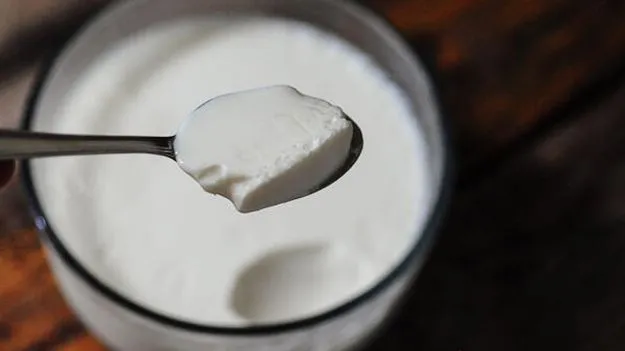
చలికాలంలో పెరుగు తింటున్నారా? జలుబు, దగ్గు వస్తాయని భయమా? వైద్యులు చెబుతున్న అసలు విషయాలివే!
Winter Health Tips Telugu: చలికాలంలో పెరుగు తినడం మంచిదేనా? జలుబు, దగ్గు వస్తాయా? పెరుగులోని పోషకాలు, ఆరోగ్య ప్రయోజనాలు, తీసుకోవాల్సిన జాగ్రత్తలపై పూర్తి వివరాలు
తెలుగు రాష్ట్రాల్లో చలికాలం మొదలవుతోంది. రాత్రివేళ ఉష్ణోగ్రతలు క్రమంగా తగ్గుతుండటంతో చలి తీవ్రత పెరుగుతోంది. ఈ నేపథ్యంలో చాలామంది ఆహారపు అలవాట్లలో మార్పులు చేసుకుంటున్నారు. ముఖ్యంగా చలికాలంలో పెరుగు తినడం వల్ల జలుబు, దగ్గు వస్తాయని భావించి చాలామంది పెరుగును పూర్తిగా దూరం పెడుతున్నారు. అయితే చలికాలంలో పెరుగు తినకూడదనే నమ్మకానికి బలమైన శాస్త్రీయ ఆధారాలు లేవని పోషకాహార నిపుణులు వివరిస్తున్నారు. తాజా పెరుగును తగిన పరిమాణంలో తీసుకుంటే జీర్ణక్రియ మెరుగుపడటంతో పాటు శరీరానికి అవసరమైన పలు పోషకాలు అందుతాయి. అయితే వ్యక్తిగత ఆరోగ్య పరిస్థితులను దృష్టిలో పెట్టుకుని కొన్ని జాగ్రత్తలు పాటించడం అవసరం.
చలికాలంలో పెరుగు తినవచ్చా?
చలికాలంలో పెరుగు తినవచ్చా అనే సందేహం చాలామందిలో ఉంటుంది. ముఖ్యంగా పిల్లలు, వృద్ధులు, తరచూ జలుబు లేదా గొంతు సమస్యలతో బాధపడేవారు పెరుగు తీసుకోవాలా వద్దా అని ఆలోచిస్తుంటారు. వాస్తవానికి చలికాలంలో పెరుగు తినడం అందరికీ హానికరం కాదు. పెరుగు తినడం వల్ల తప్పనిసరిగా జలుబు, దగ్గు వస్తాయని చెప్పడానికి తగిన శాస్త్రీయ ఆధారాలు లేవు.
జలుబు సాధారణంగా వైరస్ల వల్ల వస్తుంది. పెరుగు తిన్నంత మాత్రాన జలుబు వస్తుందని భావించడం సరైంది కాదు. అయితే చల్లటి ఆహారం తీసుకున్నప్పుడు కొందరికి గొంతులో అసౌకర్యం కలగవచ్చు. ఇప్పటికే దగ్గు, గొంతు నొప్పి లేదా అలర్జీ లక్షణాలు ఉన్నవారు తమ శరీరం ఎలా స్పందిస్తుందో గమనించాలి.
పెరుగుతో జీర్ణక్రియకు ఎన్నో ప్రయోజనాలు
పెరుగు ఆరోగ్యకరమైన ఆహారంలో భాగం. ఇందులో ఉండే ప్రోబయోటిక్స్ కొన్ని రకాల ప్రయోజనకరమైన సూక్ష్మజీవులను అందిస్తాయి. ఇవి పేగుల్లోని సూక్ష్మజీవుల సమతుల్యతకు తోడ్పడవచ్చు. ముఖ్యంగా జీవక్రియాశీల సూక్ష్మజీవులు కలిగిన పెరుగు జీర్ణవ్యవస్థ ఆరోగ్యానికి ఉపయోగపడుతుంది.
పెరుగును క్రమం తప్పకుండా, తగిన పరిమాణంలో తీసుకోవడం వల్ల శరీరానికి ప్రోటీన్, కాల్షియం, విటమిన్ బీ12, భాస్వరం వంటి పోషకాలు అందుతాయి. ఇవి కండరాల పనితీరు, ఎముకల ఆరోగ్యం, శరీరంలోని సాధారణ జీవక్రియలకు అవసరం.
అయితే అన్ని రకాల పెరుగుల్లో ప్రోబయోటిక్స్ పరిమాణం ఒకేలా ఉండదు. పెరుగును తయారు చేసే విధానం, నిల్వ చేసే పరిస్థితులు, అందులోని సూక్ష్మజీవుల రకాలను బట్టి ప్రయోజనాలు మారవచ్చు.
ఎముకల బలానికి కాల్షియం
పెరుగులో ఉండే కాల్షియం ఎముకలు, దంతాల ఆరోగ్యానికి అవసరం. ఎదుగుతున్న పిల్లలు, కౌమార దశలో ఉన్నవారు, పెద్దలు తమ రోజువారీ ఆహారంలో కాల్షియం కలిగిన పదార్థాలను చేర్చుకోవడం మంచిది.
పెరుగులో లభించే ప్రోటీన్ కండరాల నిర్వహణకు కూడా తోడ్పడుతుంది. విటమిన్ బీ12 నాడీవ్యవస్థ పనితీరు, ఎర్ర రక్తకణాల తయారీలో కీలక పాత్ర పోషిస్తుంది. అందువల్ల పెరుగు కేవలం రుచికరమైన ఆహారం మాత్రమే కాకుండా, సమతుల్య ఆహారంలో ఉపయోగకరమైన భాగంగా నిలుస్తుంది.
పెరుగు తింటే జలుబు, దగ్గు వస్తాయా?
చలికాలంలో పెరుగు తినడం వల్ల జలుబు, దగ్గు వస్తాయనే అపోహ చాలాకాలంగా కొనసాగుతోంది. కానీ జలుబుకు ప్రధాన కారణం వైరల్ ఇన్ఫెక్షన్లు. పెరుగు తినడం వల్ల నేరుగా జలుబు వస్తుందని నిర్ధారించే బలమైన ఆధారాలు లేవు.
అయితే కొందరికి పెరుగు తిన్న తర్వాత గొంతులో కఫం ఉన్నట్లు అనిపించవచ్చు. ఇది ప్రతి ఒక్కరిలోనూ జరగదు. పాల ఉత్పత్తులు తీసుకున్నప్పుడు గొంతులో చిక్కదనం అనిపించడం, నిజంగా శ్వాసనాళాల్లో కఫం పెరగడం రెండూ ఒకటే కావు.
ఇప్పటికే శ్వాసకోశ సమస్యలు, అలర్జీలు లేదా గొంతు ఇబ్బందులు ఉన్నవారు తమకు ఏ ఆహారం అసౌకర్యాన్ని కలిగిస్తుందో గుర్తించాలి. లక్షణాలు నిరంతరం కొనసాగితే వైద్యులను సంప్రదించడం మంచిది.
రాత్రిపూట పెరుగు తినకూడదా?
రాత్రిపూట పెరుగు తినకూడదనే అభిప్రాయం కూడా చాలామందిలో ఉంది. అయితే ప్రతి ఒక్కరూ రాత్రిపూట పెరుగును పూర్తిగా మానేయాల్సిన అవసరం లేదు. వ్యక్తిగత జీర్ణక్రియ, ఆహారపు అలవాట్లు, ఆరోగ్య పరిస్థితుల ఆధారంగా నిర్ణయం తీసుకోవాలి.
రాత్రిపూట పెరుగు తిన్నప్పుడు కడుపు ఉబ్బరం, అసౌకర్యం లేదా గొంతు సమస్యలు పెరుగుతున్నట్లు అనిపిస్తే, దాన్ని పగటిపూట తీసుకోవచ్చు. రిఫ్రిజిరేటర్లో నుంచి తీసిన పెరుగు మరీ చల్లగా ఉన్నప్పుడు ఇబ్బంది కలిగిస్తే గది ఉష్ణోగ్రతకు వచ్చిన తర్వాత తీసుకోవచ్చు.
అయితే పెరుగును ఎక్కువసేపు బయట ఉంచి పాడయ్యే పరిస్థితికి తీసుకెళ్లకూడదు. తాజా పెరుగును పరిశుభ్రంగా తయారు చేసి, సరైన ఉష్ణోగ్రతలో నిల్వ చేయడం ముఖ్యం.
లాక్టోజ్ అసహనం ఉన్నవారు ఏం చేయాలి?
కొంతమందికి పాలలో ఉండే లాక్టోజ్ను జీర్ణం చేసుకోవడం కష్టమవుతుంది. దీనిని లాక్టోజ్ అసహనం అంటారు. అలాంటి వారు పాలు లేదా కొన్ని పాల ఉత్పత్తులు తీసుకున్నప్పుడు కడుపు ఉబ్బరం, గ్యాస్, కడుపునొప్పి లేదా విరేచనాలు వంటి సమస్యలను ఎదుర్కొనవచ్చు.
పెరుగులో లాక్టోజ్ కొంతవరకు తగ్గి ఉండవచ్చు. అందువల్ల కొంతమంది లాక్టోజ్ అసహనం ఉన్నవారు పెరుగును తట్టుకోగలిగినా, అందరికీ ఇదే వర్తించదు. పెరుగు తిన్న ప్రతిసారీ ఇబ్బందులు వస్తే దాని వినియోగాన్ని తగ్గించి వైద్యుల సలహా తీసుకోవాలి.
పాల ప్రోటీన్ అలర్జీ ఉన్నవారు మాత్రం పెరుగు సహా సంబంధిత పాల ఉత్పత్తులను వైద్యుల సూచన లేకుండా తీసుకోకూడదు.
చలికాలంలో పెరుగు తినేటప్పుడు ఈ జాగ్రత్తలు పాటించండి
- తాజా పెరుగు తీసుకోండి: పులిసిపోయిన, వాసన మారిన లేదా సరిగా నిల్వ చేయని పెరుగును తినకండి.
- చాలా చల్లగా ఉండకూడదు: చల్లటి పెరుగు వల్ల గొంతులో ఇబ్బంది కలిగితే గది ఉష్ణోగ్రతకు వచ్చిన తర్వాత తీసుకోండి.
- పరిమితంగా తినండి: మీ ఆహార అవసరాలకు అనుగుణంగా తగిన పరిమాణంలో తీసుకోండి.
- శరీర స్పందనను గమనించండి: పెరుగు తిన్న తర్వాత కడుపు ఉబ్బరం, విరేచనాలు లేదా ఇతర సమస్యలు వస్తే దాని వినియోగాన్ని తగ్గించండి.
- పిల్లల విషయంలో జాగ్రత్త: పిల్లలకు తాజా, పరిశుభ్రమైన పెరుగును వయస్సు, ఆహార అవసరాలకు అనుగుణంగా ఇవ్వాలి.
- అలర్జీలు ఉంటే వైద్యుల సలహా తీసుకోండి: పాల ఉత్పత్తుల వల్ల అలర్జీ లేదా తీవ్రమైన అసౌకర్యం కలిగేవారు స్వయంగా ప్రయోగాలు చేయకూడదు.
చలికాలంలో పెరుగును పూర్తిగా మానేయాలా?
చలికాలంలో పెరుగు తినడం ఆరోగ్యానికి హానికరమనే కారణంతో అందరూ దాన్ని పూర్తిగా మానేయాల్సిన అవసరం లేదు. పెరుగు జీర్ణక్రియకు తోడ్పడటంతో పాటు కాల్షియం, ప్రోటీన్, విటమిన్ బీ12 వంటి పోషకాలను అందిస్తుంది. అయితే పెరుగు తినడం ఒక్కటే ఆరోగ్య సమస్యలను నివారించదు. సమతుల్య ఆహారం, తగినంత నిద్ర, శారీరక చురుకుదనం, వ్యక్తిగత పరిశుభ్రత కూడా అంతే ముఖ్యం.
To get more interesting news, click the link below.
Can You Eat Curd in Winter? Do Curd Cause Cold and Cough? Experts Explain the Facts
Winter Health Tips: Discover the health benefits of eating curd in winter, its role in digestion, bone health and nutrition, and the precautions you should follow during the cold season.
As winter approaches, temperatures are gradually dropping across Telangana and Andhra Pradesh, particularly during the night. With the changing weather, many people are modifying their dietary habits to stay healthy. One common concern is whether eating curd in winter can cause cold, cough or throat irritation. Because of this belief, some people avoid curd completely during the colder months.
However, there is no strong scientific evidence that eating curd directly causes the common cold. For most people who tolerate dairy products well, eating curd in winter can be part of a healthy, balanced diet. Curd provides essential nutrients, including protein, calcium, vitamin B12 and phosphorus. Depending on the preparation method, it may also contain beneficial live microorganisms that support gut health.
Nevertheless, individual tolerance, food hygiene and existing health conditions should be considered before making dietary decisions.
1. Can You Eat Curd in Winter?
One of the most frequently asked questions during the cold season is, “Can we eat curd in winter?” Many families believe that curd increases body cold or makes people more vulnerable to respiratory infections. However, these concerns are not supported by strong scientific evidence.
The common cold is primarily caused by viruses, not by eating curd or other chilled foods. Therefore, avoiding curd entirely during winter is generally unnecessary for people who tolerate it without discomfort.
Eating curd in winter offers several nutritional benefits, particularly when it is fresh, properly stored and consumed in appropriate quantities. However, people who experience throat irritation or digestive discomfort after eating curd should pay attention to their symptoms and adjust their intake accordingly.
2. Health Benefits of Eating Curd in Winter
Curd is a nutritious dairy food that can contribute to a balanced diet throughout the year. Its nutritional composition makes it useful for supporting digestion, bone health and muscle maintenance.
Supports Digestive Health
One of the important benefits of curd is its potential role in supporting digestive health. Certain types of curd contain live microorganisms that may help maintain a healthy balance of gut bacteria.
These microorganisms, commonly associated with probiotics, can support gut health. However, probiotic content varies depending on the bacterial cultures used, preparation methods and storage conditions.
Including fresh curd in a balanced diet may be beneficial for people who tolerate dairy products well.
Provides Calcium for Strong Bones
Curd is a source of calcium, an essential mineral required for maintaining healthy bones and teeth. Adequate calcium intake is particularly important during childhood, adolescence and older adulthood.
Regularly including calcium-rich foods such as curd in the diet can help meet daily nutritional requirements. However, bone health also depends on other factors, including adequate vitamin D, physical activity and overall nutrition.
Supplies Protein for Muscle Health
Protein is essential for muscle maintenance, tissue repair and several important bodily functions. Curd provides dietary protein, making it a useful addition to meals and snacks.
The amount of protein varies depending on the type of curd. Greek yoghurt and strained yoghurt, for example, generally contain more protein than regular curd.
Provides Vitamin B12 and Phosphorus
Curd also supplies vitamin B12 and phosphorus. Vitamin B12 supports normal nerve function and red blood cell formation, while phosphorus contributes to healthy bones and teeth.
These nutrients make curd a valuable component of a varied and balanced diet.
3. Does Eating Curd in Winter Cause Cold and Cough?
The belief that eating curd in winter causes cold and cough is widespread, but it is important to distinguish between a food-related sensation and an actual infection.
The common cold is caused by respiratory viruses. Eating curd does not directly cause a viral infection, and there is no strong evidence that ordinary curd consumption increases the risk of catching a cold.
Some people may experience a sensation of mucus or thickness in the throat after consuming dairy products. However, this sensation does not necessarily mean that dairy products increase mucus production in the respiratory tract.
People who already have a cough, sore throat, allergies or respiratory discomfort should observe how their bodies respond to particular foods. If a food consistently worsens their symptoms, adjusting its temperature or temporarily avoiding it may help with comfort.
Persistent or severe symptoms should be evaluated by a healthcare professional.
4. Is It Safe to Eat Curd at Night During Winter?
Another common question is whether eating curd at night is harmful during winter.
There is no universal medical rule that everyone must avoid curd at night. For most people who tolerate dairy products well, the timing can depend on personal preference, digestion and overall dietary habits.
However, some people may experience bloating, gas or digestive discomfort after eating dairy products. Those who notice discomfort after eating curd at night can try consuming it earlier in the day or reducing the portion size.
People who experience reflux symptoms should also pay attention to meal timing and their individual triggers.
An important precaution: If cold curd causes throat discomfort, allow it to reach room temperature before eating it. Avoid leaving curd unrefrigerated for extended periods, as improper storage can encourage the growth of harmful microorganisms.
5. Should You Eat Cold Curd Straight from the Refrigerator?
Eating refrigerated curd is generally safe when it has been stored correctly. However, very cold foods may cause temporary discomfort for some individuals, particularly those who are sensitive to cold temperatures or already have throat irritation.
If you find cold curd uncomfortable, you can allow a small portion to warm slightly to room temperature before consuming it.
This adjustment is primarily for personal comfort. There is no strong evidence that eating refrigerated curd itself causes a cold or cough.
Always ensure that curd is fresh, hygienically prepared and stored at the recommended refrigeration temperature.
6. Can People With Lactose Intolerance Eat Curd?
Lactose intolerance occurs when the body has difficulty digesting lactose, the natural sugar found in milk. Common symptoms include bloating, gas, abdominal pain and diarrhoea after consuming lactose-containing foods.
Curd may contain less lactose than milk because some lactose is broken down during fermentation. Consequently, some people with lactose intolerance may tolerate curd better than milk, although individual responses vary.
If eating curd repeatedly causes digestive symptoms, consider reducing your intake and consulting a healthcare professional about suitable alternatives.
People with a confirmed milk protein allergy should avoid curd and other dairy products unless their treating specialist advises otherwise. Lactose intolerance and milk allergy are different conditions and require different precautions.
7. Precautions to Follow While Eating Curd in Winter
Although eating curd in winter is generally suitable for people who tolerate dairy, a few precautions can help maintain food safety and comfort.
- Choose fresh curd: Avoid curd that has an unusual smell, visible contamination or signs of spoilage.
- Store it properly: Keep curd refrigerated and avoid prolonged exposure to room temperature.
- Adjust the temperature: If very cold curd irritates your throat, let it warm slightly before eating.
- Eat appropriate portions: Include curd according to your nutritional needs and overall dietary pattern.
- Observe digestive symptoms: Reduce your intake if curd repeatedly causes bloating, abdominal pain or diarrhoea.
- Consider allergies: People with milk protein allergies should avoid dairy products and seek appropriate medical advice.
- Seek medical advice when necessary: Persistent throat symptoms, breathing difficulties or significant digestive problems should not be attributed to food alone.
These precautions can help you enjoy the nutritional benefits of curd without unnecessarily restricting your diet during winter.
8. Should You Avoid Curd Completely During Winter?
For most healthy individuals who tolerate dairy products, there is no general need to stop eating curd during winter.
Curd provides protein, calcium and other essential nutrients. Depending on its preparation, it may also provide beneficial live cultures that support digestive health.
However, curd is not a treatment or guaranteed preventive measure for colds, coughs or other winter illnesses. Maintaining a healthy lifestyle also requires a balanced diet, adequate sleep, regular physical activity and good hygiene.
People with specific medical conditions, food allergies or persistent symptoms should follow personalised dietary advice from a qualified healthcare professional.
Satya Telangana is a Telugu daily newspaper delivering the latest news and updates