
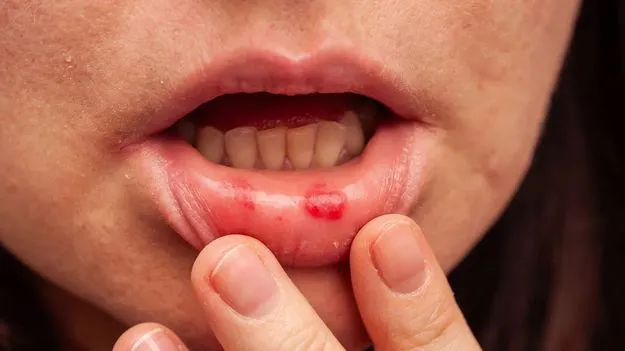
నోటి పుండ్లు ఎందుకు వస్తాయి? పెదవులపై ఎర్రటి మచ్చలు కనిపిస్తే నిర్లక్ష్యం చేయకండి!
నోటి పుండ్లకు కారణాలేమిటి? లక్షణాలు, ఇంటి వద్ద తీసుకోవాల్సిన జాగ్రత్తలు, వైద్యుడిని ఎప్పుడు సంప్రదించాలి? పూర్తి వివరాలు
నోటి లోపలి భాగంలో, పెదవులపై లేదా నాలుకపై పుండ్లు ఏర్పడటం చాలామందిలో కనిపించే సాధారణ ఆరోగ్య సమస్య. వీటి కారణంగా తినేటప్పుడు, తాగేటప్పుడు, మాట్లాడేటప్పుడు మంట, నొప్పి, అసౌకర్యం కలగవచ్చు. ముఖ్యంగా పెదవుల లోపలి భాగంలో ఎర్రటి మచ్చలు లేదా పుండ్లు కనిపిస్తే వాటికి గల కారణాలను గుర్తించడం ముఖ్యం.
నోటి పుండ్లు (Mouth Ulcers) సాధారణంగా ఒకటి నుంచి రెండు వారాల్లో తగ్గిపోవచ్చు. అయితే పదేపదే పుండ్లు రావడం, నొప్పి పెరగడం లేదా పుండు ఎక్కువ రోజులు తగ్గకపోవడం వంటి లక్షణాలు ఉంటే వైద్యుల సలహా తీసుకోవాలి.
నోటి పుండ్లు రావడానికి ప్రధాన కారణాలేమిటి?
నోటి పుండ్లు ఏర్పడటానికి అనేక కారణాలు ఉండవచ్చు. ముఖ్యంగా ఈ అంశాలను పరిశీలించాలి.
1. నోటికి గాయాలు కావడం: పెదవిని అనుకోకుండా కొరకడం, గట్టిగా బ్రష్ చేయడం, పదునైన పళ్లు లేదా దంత చికిత్సల వల్ల నోటిలోని మృదువైన కణజాలానికి గాయాలు కావచ్చు. ఇవి నోటి పుండ్లకు కారణమవుతాయి.
2. విటమిన్లు, పోషకాల లోపం: శరీరంలో విటమిన్ B12, ఫోలేట్, ఐరన్ వంటి పోషకాలు తక్కువగా ఉండటం కొందరిలో పదేపదే నోటి పుండ్లు రావడానికి సంబంధం కలిగి ఉండవచ్చు. అవసరమైతే వైద్యుల సూచనతో పరీక్షలు చేయించుకోవాలి.
3. మానసిక ఒత్తిడి, నిద్రలేమి: ఒత్తిడి, అలసట, నిద్ర సరిగా లేకపోవడం కొందరిలో నోటి పుండ్లు ఏర్పడటానికి దోహదం చేయవచ్చు.
4. ఆహారపు అలవాట్లు: కారం, పులుపు, అధిక ఉప్పు ఉన్న ఆహారాలు ఇప్పటికే ఉన్న పుండ్ల మంటను పెంచవచ్చు. కొన్ని ఆహారాలు వ్యక్తిగతంగా పుండ్లను ప్రేరేపించవచ్చు.
5. టూత్పేస్ట్ లేదా ఇతర ఉత్పత్తుల ప్రభావం: కొన్ని టూత్పేస్ట్లు, మౌత్వాష్లు నోటిలోని సున్నితమైన కణజాలాన్ని ఇబ్బంది పెట్టవచ్చు.
6. మందులు లేదా ఇతర ఆరోగ్య సమస్యలు: కొన్ని మందులు, రోగనిరోధక వ్యవస్థకు సంబంధించిన సమస్యలు, జీర్ణవ్యవస్థ వ్యాధులు కూడా పుండ్లతో సంబంధం కలిగి ఉండవచ్చు. కారణాన్ని నిర్ధారించడానికి వైద్య పరీక్ష అవసరం కావచ్చు.
నోటి పుండ్ల లక్షణాలు ఎలా ఉంటాయి?
నోటి పుండ్లు ఏర్పడినప్పుడు సాధారణంగా కనిపించే లక్షణాలు:
- పెదవుల లోపలి భాగంలో ఎర్రటి లేదా తెల్లటి మచ్చలు.
- చిన్న గాయాల్లా కనిపించే పుండ్లు.
- ఆహారం తీసుకునేటప్పుడు మంట లేదా నొప్పి.
- మాట్లాడేటప్పుడు అసౌకర్యం.
- పుండ్లు ఉన్న ప్రాంతంలో సున్నితత్వం.
- కొందరిలో పుండ్లు పదేపదే ఏర్పడటం.
అయితే ప్రతి ఎర్రటి మచ్చ నోటి పుండు అని భావించకూడదు. ఇన్ఫెక్షన్లు, గాయాలు, ఇతర నోటి సమస్యలు కూడా ఇలాంటి లక్షణాలను కలిగించవచ్చు.
నోటి పుండ్లు తగ్గడానికి ఏం చేయాలి?
నోటి పుండ్లు ఉన్నప్పుడు కొన్ని సాధారణ జాగ్రత్తలు ఉపశమనాన్ని కలిగించవచ్చు.
- మెత్తని బ్రష్తో నోటిని శుభ్రంగా ఉంచుకోవాలి.
- గోరువెచ్చని నీటిలో అర టీస్పూన్ ఉప్పు కలిపి నోటిని పుక్కిలించి ఉమ్మివేయవచ్చు.
- తగినంత నీరు తాగాలి.
- మృదువైన ఆహారాన్ని తీసుకోవాలి.
- కారం, పులుపు, అధిక ఉప్పు ఉన్న ఆహారాలు, చాలా వేడిగా ఉన్న పానీయాలను తాత్కాలికంగా నివారించాలి.
- పుండ్లను చేతులతో తాకడం, గిల్లడం లేదా వాటిపై రసాయన పదార్థాలు రాయడం చేయకూడదు.
నొప్పి ఎక్కువగా ఉంటే ఫార్మసిస్ట్ లేదా వైద్యుడి సలహాతో తగిన జెల్ లేదా మౌత్వాష్ను ఉపయోగించవచ్చు. కారణం తెలియకుండా యాంటీబయాటిక్స్, స్టెరాయిడ్ మందులు లేదా విటమిన్ సప్లిమెంట్లను స్వయంగా వాడకూడదు.
నోటి పుండ్లు ఎప్పుడు ప్రమాద సంకేతం కావచ్చు?
చాలా నోటి పుండ్లు సాధారణమైనవే అయినప్పటికీ, కొన్ని లక్షణాలను నిర్లక్ష్యం చేయకూడదు.
కింది పరిస్థితుల్లో వైద్యుడిని లేదా దంత వైద్యుడిని సంప్రదించండి:
- పుండు రెండు నుంచి మూడు వారాలైనా తగ్గకపోతే.
- పుండు పరిమాణం పెరుగుతుంటే లేదా తరచుగా రక్తస్రావం అవుతుంటే.
- నొప్పి లేదా ఎర్రదనం పెరుగుతుంటే.
- తరచుగా కొత్త పుండ్లు ఏర్పడుతుంటే.
- ఆహారం లేదా నీరు తీసుకోవడం కష్టమైతే.
- జ్వరం లేదా ఇతర అసాధారణ లక్షణాలు కూడా ఉంటే.
ఎక్కువ రోజులు తగ్గని పుండు కొన్నిసార్లు తీవ్రమైన నోటి వ్యాధికి సంకేతం కావచ్చు. అందువల్ల అవసరమైన పరీక్షలు చేయించుకోవడం ముఖ్యం.
మధుమేహం ఉన్నవారు ప్రత్యేక జాగ్రత్తలు తీసుకోవాలా?
మధుమేహం ఉన్నవారిలో రక్తంలో చక్కెర స్థాయిల నియంత్రణ, నోటి ఆరోగ్యం రెండూ ముఖ్యమైనవి. పుండ్లు తరచుగా వస్తున్నా, నోటిలో ఇన్ఫెక్షన్ లక్షణాలు కనిపించినా లేదా గాయాలు నెమ్మదిగా మానుతున్నా వైద్యుడిని సంప్రదించాలి. రక్తంలో చక్కెర స్థాయిలను నియంత్రణలో ఉంచుకోవడం, నోటి పరిశుభ్రతను పాటించడం అవసరం.
To get more interesting news, click the link below.
Mouth Ulcers: Why Do They Occur? Don’t Ignore Red Sores on Your Lips
Mouth Ulcers Causes, Symptoms, Treatment and Home Remedies: Know When to Consult a Doctor
Mouth ulcers are a common oral health problem that can cause pain, burning sensations and discomfort while eating, drinking or speaking. These sores may develop inside the lips, on the inner cheeks, on the tongue or elsewhere inside the mouth. Red spots or painful sores on the inner lip may be caused by minor injuries, irritation or other underlying conditions.
Most common mouth ulcers heal within one to two weeks without specific treatment. However, persistent mouth ulcers, recurring sores or ulcers accompanied by unusual symptoms should not be ignored.
Understanding the causes of mouth ulcers, recognizing their symptoms and following appropriate oral care practices can help reduce discomfort and support healing.
What Are Mouth Ulcers?
Mouth ulcers are small sores that develop on the soft tissues inside the mouth. They may appear white, yellowish or red around the edges and can be painful, particularly when exposed to spicy, acidic or hot foods.
One common type is a canker sore, also known as an aphthous ulcer. These sores are generally not contagious and often heal on their own.
However, not every red spot or sore inside the mouth is a canker sore. Injuries, infections, medication reactions and other oral conditions can produce similar symptoms. Therefore, persistent or unusual sores may require professional evaluation.
What Causes Mouth Ulcers?
There are several possible mouth ulcers causes, ranging from minor irritation to nutritional deficiencies and certain medical conditions.
1. Accidental Injuries Inside the Mouth
Biting the inner lip, brushing too aggressively, wearing poorly fitting dental appliances or having sharp tooth edges can damage the delicate tissues inside the mouth. These injuries may result in painful mouth sores.
2. Vitamin and Nutritional Deficiencies
Low levels of vitamin B12, folate or iron may be associated with recurrent mouth ulcers in some people. If mouth ulcers keep returning, a healthcare professional may recommend blood tests to identify possible nutritional deficiencies.
Taking supplements without confirming a deficiency is not always necessary and may not address the actual cause.
3. Stress and Lack of Sleep
Psychological stress, fatigue and inadequate sleep may contribute to recurrent canker sores in susceptible individuals. Maintaining regular sleep habits and managing stress may help reduce episodes for some people.
4. Certain Foods and Oral Irritants
Spicy, acidic, salty and very hot foods may aggravate existing mouth ulcers. Certain foods may also trigger sores in some individuals.
Some toothpastes and mouthwashes can irritate sensitive oral tissues. If a product appears to worsen symptoms, consider discussing suitable alternatives with a dentist.
5. Medicines and Underlying Medical Conditions
Certain medicines and health conditions may be associated with recurring oral ulcers. These include some immune-related disorders and gastrointestinal conditions.
If mouth ulcers occur frequently, are unusually severe or appear alongside other symptoms, a medical assessment can help identify the underlying cause.
Common Symptoms of Mouth Ulcers
The symptoms of mouth ulcers may vary depending on their cause, size and location.
Common signs include:
- Painful sores inside the lips, cheeks or mouth.
- Red spots or ulcers with a white or yellowish centre.
- Burning or stinging sensations while eating or drinking.
- Discomfort when speaking or brushing the teeth.
- Sensitivity around the affected area.
- Repeated episodes of oral sores.
Some ulcers are small and heal quickly, while others may be larger or take longer to disappear.
Important: Red spots on the lips do not always indicate ordinary mouth ulcers. Other conditions, including infections and traumatic injuries, can cause similar symptoms.
Mouth Ulcers Treatment: What Can Help?
The appropriate mouth ulcers treatment depends on the cause and severity of the sores. Most minor canker sores heal naturally, but simple self-care measures may help relieve discomfort.
Effective Home Care Tips for Mouth Ulcers
1. Maintain good oral hygiene: Use a soft-bristled toothbrush and clean your teeth gently to avoid further irritation.
2. Try a warm saltwater rinse: Dissolve half a teaspoon of salt in a glass of warm water, rinse your mouth and spit it out. Do not swallow the solution.
3. Drink enough water: Staying hydrated helps maintain oral comfort, particularly when eating and drinking are painful.
4. Choose soft foods: Soft, non-irritating foods may be easier to eat while the ulcers heal.
5. Avoid irritating foods: Temporarily avoid very spicy, acidic, salty or hot foods and drinks if they worsen the pain.
6. Avoid touching the sores: Do not pick, scratch or deliberately irritate mouth ulcers. Avoid applying household chemicals or harsh substances directly to the affected area.
7. Seek advice about suitable medicines: A pharmacist, dentist or doctor may recommend an appropriate oral gel, rinse or other treatment depending on the symptoms.
Antibiotics are not routinely required for ordinary canker sores. Do not start antibiotics, steroid preparations or high-dose vitamin supplements without appropriate medical advice.
When Should You See a Doctor for Mouth Ulcers?
Although most mouth ulcers are harmless and temporary, certain symptoms require medical attention.
Consult a doctor or dentist if:
- A mouth ulcer lasts longer than two to three weeks.
- The sore becomes larger or increasingly painful.
- The ulcer repeatedly bleeds or changes in appearance.
- Mouth ulcers occur frequently or appear in unusually large numbers.
- Eating or drinking becomes difficult.
- You develop fever or other unexplained symptoms.
- You notice a persistent lump, a hard area or a red or white patch in the mouth.
A persistent mouth ulcer does not necessarily mean a serious disease, but it should be examined to rule out other conditions, including oral cancer where appropriate.
Seek urgent medical attention if mouth sores are accompanied by severe swelling, difficulty swallowing saliva or breathing difficulties.
Mouth Ulcers in People With Diabetes
People with diabetes should pay attention to their oral health. Poorly controlled blood glucose can increase the risk of certain oral infections and may interfere with normal wound healing.
If you have diabetes and experience recurring mouth ulcers, signs of infection or sores that heal slowly, consult a healthcare professional.
Maintaining good blood glucose control, brushing gently, keeping the mouth clean and attending regular dental check-ups can support overall oral health.
Do not assume that every mouth ulcer in a person with diabetes is caused by high blood sugar. A proper assessment may be needed to identify the actual cause.
How Can You Help Prevent Mouth Ulcers?
Although not all mouth ulcers can be prevented, the following habits may help reduce irritation and support oral health:
- Brush gently with a soft toothbrush.
- Maintain a balanced diet with adequate essential nutrients.
- Drink sufficient water throughout the day.
- Identify foods that appear to trigger recurring sores.
- Avoid biting the lips or inner cheeks.
- Use oral care products that do not irritate your mouth.
- Manage stress and maintain regular sleep habits.
- Seek medical advice for recurrent or persistent ulcers.
If mouth ulcers keep returning, a dentist or doctor may assess possible nutritional deficiencies, medication effects or underlying medical conditions.
Satya Telangana is a Telugu daily newspaper delivering the latest news and updates