
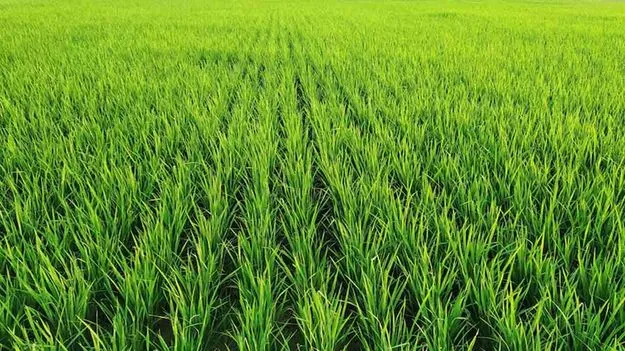
షాబాద్లో రైతుల కన్నీటి సాగు.. ఎండుతున్న వరి పంటను కాపాడుకునేందుకు ట్యాంకర్లతో నీరు!
ఎల్నినో ప్రభావంతో వర్షాభావ పరిస్థితులు.. అడుగంటుతున్న భూగర్భ జలాలు | రోజుకు 10 ట్యాంకర్ల నీటి కొనుగోలు | ఒక్కో ట్యాంకర్కు రూ.1,000 ఖర్చు | ప్రభుత్వ సాయం కోసం రైతుల ఎదురుచూపులు
షాబాద్, రంగారెడ్డి జిల్లా: ఆరుగాలం కష్టపడి సాగు చేసిన పంటను కళ్లముందే ఎండిపోకుండా కాపాడుకునేందుకు రైతులు నానా తంటాలు పడుతున్నారు. వర్షాలు లేక, భూగర్భ జలాలు అడుగంటిపోవడంతో సాగునీటి కోసం తీవ్ర ఇబ్బందులు ఎదుర్కొంటున్నారు. ముఖ్యంగా వరి పంటను కాపాడుకునేందుకు నీటిని కొనుగోలు చేసి పొలాలకు తరలించాల్సిన పరిస్థితి ఏర్పడింది. రంగారెడ్డి జిల్లా షాబాద్ మండల పరిధిలోని తిమ్మారెడ్డిగూడ గ్రామంలో రైతులు ఎదుర్కొంటున్న పరిస్థితులు వ్యవసాయ రంగంలోని నీటి సంక్షోభానికి అద్దం పడుతున్నాయి.
ఎండుతున్న వరి పంట.. తప్పని నీటి కొనుగోలు
తిమ్మారెడ్డిగూడ గ్రామానికి చెందిన రైతులు గుత్తి రాజు, శివయ్యలు తమ వరి పంటను కాపాడుకునేందుకు తీవ్రంగా శ్రమిస్తున్నారు. వర్షాలు కురవకపోవడం, భూగర్భ జలాలు అడుగంటిపోవడంతో పొలాలకు సరిపడా నీరు అందడం లేదు. దీంతో పంట ఎండిపోకుండా ఉండేందుకు ట్యాంకర్ల ద్వారా నీటిని కొనుగోలు చేసి వరి పొలాలకు అందిస్తున్నారు.
రోజుకు సుమారు 10 ట్యాంకర్ల నీటిని కొనుగోలు చేసి పంటకు పెడుతున్నట్లు రైతులు చెబుతున్నారు. ఒక్కో ట్యాంకర్కు రూ.1,000 చొప్పున ఖర్చు చేస్తుండటంతో రోజువారీ నీటి వ్యయం రూ.10,000కు చేరుతోంది. సాగు ఖర్చులతో ఇప్పటికే ఇబ్బందులు పడుతున్న రైతులకు ఈ అదనపు భారం మరింత భారంగా మారింది.
పెట్టుబడికి తోడు పెరిగిన సాగునీటి ఖర్చులు
విత్తనాలు, ఎరువులు, పురుగుమందులు, కూలీల ఖర్చులతో వ్యవసాయం భారంగా మారిన తరుణంలో సాగునీటిని కూడా కొనుగోలు చేయాల్సి రావడం రైతులను ఆర్థికంగా కుంగదీస్తోంది. పంట చేతికొచ్చే వరకు ఎన్నో కష్టాలు ఎదుర్కొనే రైతులకు వర్షాభావ పరిస్థితులు మరింత ఆందోళన కలిగిస్తున్నాయి.
వరి పంటకు కీలకమైన దశల్లో తగినంత నీరు అందకపోతే దిగుబడిపై ప్రభావం పడే ప్రమాదం ఉంది. ఇప్పటికే పంటను కాపాడుకునేందుకు ట్యాంకర్లపై ఆధారపడుతున్న రైతులు, ఇదే పరిస్థితి మరికొంతకాలం కొనసాగితే సాగు ఖర్చులు మరింత పెరుగుతాయని ఆవేదన వ్యక్తం చేస్తున్నారు.
ఎల్నినో ప్రభావం.. భూగర్భ జలాలపై ఒత్తిడి
ఎల్నినో ప్రభావంతో వర్షపాతం తగ్గుతుందనే ఆందోళనల నేపథ్యంలో పలు ప్రాంతాల్లో సాగునీటి లభ్యతపై చర్చ జరుగుతోంది. అయితే తిమ్మారెడ్డిగూడలో రైతులు చెబుతున్న ప్రధాన సమస్య వర్షాలు లేకపోవడం, భూగర్భ జలాలు తగ్గిపోవడం వల్ల పంటకు అవసరమైన నీటిని అందించలేకపోవడమే.
వర్షాభావ పరిస్థితులు కొనసాగితే వ్యవసాయ బోర్లు, బావులపై ఆధారపడే రైతులు మరింత ఇబ్బందులు ఎదుర్కొనే అవకాశం ఉంది. భూగర్భ జలాలపై ఒత్తిడి పెరగడం, నీటి కోసం అదనపు ఖర్చులు చేయాల్సి రావడం గ్రామీణ వ్యవసాయ కుటుంబాల ఆర్థిక పరిస్థితిపై ప్రభావం చూపవచ్చు.
ప్రభుత్వం ఆదుకోవాలని రైతుల విజ్ఞప్తి
ఆరుగాలం శ్రమించి సాగు చేసిన వరి పంటను కాపాడుకునేందుకు తాము పడుతున్న కష్టాలను ప్రభుత్వం గుర్తించాలని రైతులు కోరుతున్నారు. సాగునీటి కొరతను అధిగమించేందుకు తగిన చర్యలు తీసుకోవడంతో పాటు, పంటలను కాపాడుకునేందుకు అవసరమైన సహాయాన్ని అందించాలని విజ్ఞప్తి చేస్తున్నారు.
రైతులకు సాగునీరు అందుబాటులోకి తీసుకురావడం, స్థానికంగా నీటి వనరుల పరిస్థితిని పరిశీలించడం, అర్హులైన రైతులకు ప్రభుత్వ నిబంధనల ప్రకారం అవసరమైన సహాయం అందించడం అత్యవసరమని వారు పేర్కొంటున్నారు.
రైతుల చెమట చుక్కలతో పండాల్సిన పంటను కాపాడుకోవడానికి ఇప్పుడు నీటిని కొనుగోలు చేయాల్సిన పరిస్థితి ఏర్పడింది. తిమ్మారెడ్డిగూడ రైతుల సమస్యకు సంబంధిత అధికారులు, ప్రభుత్వం స్పందించి తగిన చర్యలు తీసుకుంటారా అనేది వేచి చూడాలి.
To get more interesting news, click the link below.
Shabad Farmers Spend ₹10,000 Daily to Save Drying Paddy Crops Amid Water Shortage
Farmers in Thimmareddyguda village struggle with irrigation shortages | 10 water tankers purchased daily at ₹1,000 each | Farmers seek government support as groundwater levels decline
SHABAD, RANGA REDDY DISTRICT: Farmers in Telangana’s Shabad mandal are facing mounting difficulties in protecting their paddy crops amid a shortage of irrigation water. With inadequate rainfall and declining groundwater levels, farmers are being forced to purchase water from tankers to prevent their standing paddy crops from drying up. The situation has placed an additional financial burden on agricultural families already struggling with rising cultivation costs.
In Thimmareddyguda village of Shabad mandal, farmers Gutti Raju and Shivaiah are making every possible effort to save their paddy fields. According to the farmers, the shortage of water has made irrigation increasingly difficult, forcing them to depend on purchased tanker water to sustain their crops.
Shabad Farmers Spend ₹10,000 a Day on Irrigation Water
The financial burden of the water shortage has become a major concern for farmers in Thimmareddyguda. To protect their paddy crops, Gutti Raju and Shivaiah reportedly purchase around 10 water tankers every day.
Each tanker costs approximately ₹1,000, taking their daily expenditure on irrigation water to nearly ₹10,000. This expense comes in addition to the money already spent on seeds, fertilisers, pesticides, labour and other agricultural requirements.
For farmers who depend on a successful harvest to recover their investment, spending thousands of rupees every day simply to maintain water supplies has become a serious challenge.
The situation in Shabad highlights the difficulties faced by farmers when natural water sources fail to meet the irrigation requirements of standing crops. The additional cost of tanker water could further reduce the income farmers receive from their harvest.
Paddy Crops at Risk as Irrigation Water Becomes Scarce
Paddy cultivation requires an adequate and timely supply of water, particularly during critical stages of crop growth. When irrigation becomes irregular or insufficient, crops may experience water stress, potentially affecting plant development and final yields.
In Thimmareddyguda, farmers are attempting to prevent crop damage by arranging water tankers whenever irrigation supplies are inadequate. However, purchasing water regularly is an expensive solution, especially when the shortage continues for an extended period.
The farmers’ experience illustrates how water scarcity can turn routine agricultural operations into a costly struggle. Even after investing months of labour and money, cultivators may face uncertainty over whether they can protect their crops until harvest.
The growing cost of irrigation water is also adding pressure to farm finances. If the shortage persists, farmers may have to spend considerably more to maintain their fields, further increasing the financial risks associated with paddy cultivation.
Groundwater Depletion Adds to Farmers’ Problems
Declining groundwater levels are an important concern for agricultural communities that depend on borewells and wells for irrigation. When rainfall is inadequate and groundwater availability falls, farmers may find it difficult to secure sufficient water for their crops.
The farmers in Thimmareddyguda say the lack of rainfall and declining groundwater availability have made it difficult to irrigate their paddy fields. Their reliance on tanker water reflects the immediate challenges they face in maintaining their crops.
Concerns over El Niño and its possible influence on rainfall have also drawn attention to agricultural water availability. However, the specific contribution of El Niño to the conditions in Shabad would require confirmation from official meteorological data.
For farmers in water-stressed areas, sustainable groundwater management, effective rainwater harvesting and timely irrigation support can play an important role in reducing the impact of rainfall shortages.
Rising Cultivation Costs Increase Financial Pressure
Agriculture already involves substantial expenditure on inputs such as seeds, fertilisers, pesticides, machinery and agricultural labour. When farmers must purchase irrigation water separately, the total cost of cultivation rises further.
For small and medium-scale cultivators, additional expenditure of ₹10,000 per day on tanker water can quickly become a significant financial burden. The actual impact on individual farmers depends on the duration of the water shortage, the area under cultivation and the eventual crop yield.
The farmers’ situation also raises concerns about the financial risks associated with unpredictable rainfall and dependence on groundwater. When irrigation supplies become uncertain, cultivators may have limited options to protect their investments without incurring additional expenses.
The developments in Shabad underline the importance of timely intervention to address irrigation difficulties and help farmers protect standing crops.
Shabad Farmers Seek Government Assistance
Farmers Gutti Raju and Shivaiah have appealed to the government to extend support and help them overcome the irrigation crisis. They want the authorities to recognise the difficulties faced by cultivators who are spending heavily to prevent their paddy crops from drying up.
Farmers facing similar shortages could benefit from an assessment of local water availability, identification of feasible irrigation solutions and information about any applicable government assistance under existing rules.
Timely intervention by the agriculture and groundwater departments could help authorities assess the severity of the problem and identify suitable measures for affected agricultural areas.
The immediate priority for the farmers is to secure enough water to protect their standing paddy crops without allowing irrigation expenses to become financially unsustainable.
Will Authorities Respond to the Farmers’ Plight?
The situation in Thimmareddyguda has brought the issue of irrigation water availability into focus. Farmers who have invested months of hard work in paddy cultivation are now spending additional money to obtain water that is essential for their crops.
With around 10 tankers reportedly being purchased daily at ₹1,000 each, the irrigation expense alone reaches approximately ₹10,000 a day.
The farmers are hoping for timely government assistance and practical measures to address their water shortage. Whether the concerned authorities will intervene to help protect the paddy crops and ease the financial burden on the affected farmers remains to be seen.
For the farmers of Thimmareddyguda, the immediate concern is clear: saving their paddy crops from drying out while managing the rising cost of irrigation water.
Satya Telangana is a Telugu daily newspaper delivering the latest news and updates