
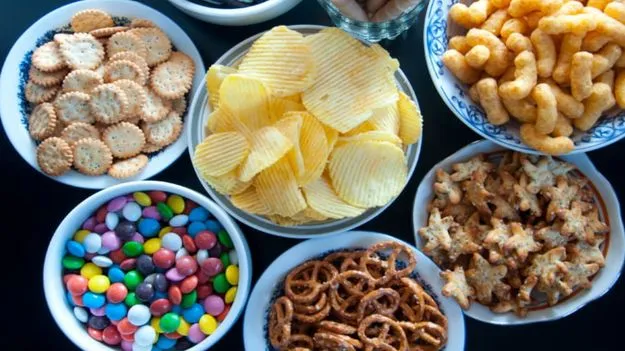
అల్ట్రా ప్రాసెస్డ్ ఫుడ్స్తో పిల్లల మెదడుపై ప్రభావం.. ఊబకాయానికి పెరుగుతున్న ముప్పు!
ఎంఆర్ఐ అధ్యయనంలో కీలక విషయాలు.. ఆహార ఆకర్షణ, అలవాట్లకు సంబంధించిన మెదడు భాగంలో బలమైన స్పందనలు | భవిష్యత్తులో బీఎంఐ పెరిగే ప్రమాదం | పిల్లల ఆహార భద్రతపై హెచ్చరిస్తున్న శాస్త్రవేత్తలు
హైదరాబాద్: పిల్లలు ఇష్టంగా తినే ప్యాకెట్ స్నాక్స్, చిప్స్, బిస్కెట్లు, చక్కెర అధికంగా ఉండే పానీయాలు, ఇతర అల్ట్రా ప్రాసెస్డ్ ఫుడ్స్పై తల్లిదండ్రులు మరింత అప్రమత్తంగా ఉండాల్సిన అవసరం ఉందని తాజా పరిశోధన సూచిస్తోంది. అల్ట్రా ప్రాసెస్డ్ ఫుడ్స్ తీసుకునే పిల్లల్లో మెదడులోని ఆహార ప్రేరణలు, అలవాట్లకు సంబంధించిన కొన్ని ప్రాంతాల్లో బలమైన స్పందనలు కనిపించినట్లు శాస్త్రవేత్తలు గుర్తించారు. ఈ స్పందనలు పిల్లలు ఇలాంటి ఆహారాల వైపు ఎక్కువగా ఆకర్షితులయ్యే తీరుతో సంబంధం కలిగి ఉండవచ్చని అధ్యయనం వెల్లడించింది. అంతేకాకుండా, ఈ ఆహారపు అలవాట్లు భవిష్యత్తులో శరీర ద్రవ్యరాశి సూచీ (బీఎంఐ) పెరుగుదలతోనూ సంబంధం కలిగి ఉండవచ్చని పరిశోధకులు పేర్కొన్నారు.
పిల్లల మెదడుపై అల్ట్రా ప్రాసెస్డ్ ఫుడ్స్ ప్రభావం
యూనివర్సిటీ ఆఫ్ సౌత్ కరోలినా, కైసర్ పర్మనెంటేకు చెందిన పరిశోధకులు సుమారు 8.7 సంవత్సరాల సగటు వయసున్న పిల్లలపై ఎంఆర్ఐ పరీక్షల ఆధారంగా అధ్యయనం నిర్వహించినట్లు అందిన సమాచారం వెల్లడిస్తోంది. ఈ పరిశోధన వివరాలు *జర్నల్ ఆఫ్ ది అమెరికన్ మెడికల్ అసోసియేషన్ (JAMA)*లో ప్రచురితమైనట్లు పేర్కొనబడింది.
ఈ అధ్యయనంలో ప్రధానంగా మెదడులోని డార్సల్ స్ట్రయాటమ్ అనే భాగంపై దృష్టి సారించారు. అలవాట్ల రూపకల్పన, ప్రేరణలు, కొన్ని రకాల ప్రవర్తనా స్పందనల్లో ఈ మెదడు ప్రాంతం కీలక పాత్ర పోషిస్తుంది. అల్ట్రా ప్రాసెస్డ్ ఫుడ్స్ ఎక్కువగా తీసుకునే పిల్లల్లో ఈ ప్రాంతంలో బలమైన స్పందనలు కనిపించినట్లు పరిశోధకులు గుర్తించారు.
అయితే, మెదడులో కనిపించిన ఈ స్పందనలు ఒక్కటే పిల్లలకు ఆహార వ్యసనం ఉందని నిర్ధారించవు. అలాగే, అల్ట్రా ప్రాసెస్డ్ ఫుడ్స్ నేరుగా మెదడులో మార్పులకు కారణమయ్యాయని తేల్చడానికి మరింత పరిశోధన అవసరం. అయినప్పటికీ, పిల్లల ఆహారపు అలవాట్లు, ఆహారంపై మెదడు స్పందనలు, భవిష్యత్తులో బరువు పెరుగుదల మధ్య ఉండే సంబంధాన్ని ఈ అధ్యయనం పరిశీలించాల్సిన ముఖ్యమైన అంశంగా ముందుకు తెచ్చింది.
అల్ట్రా ప్రాసెస్డ్ ఫుడ్స్ అంటే ఏమిటి?
పారిశ్రామిక పద్ధతుల్లో అధికంగా ప్రాసెస్ చేసి, రుచిని పెంచే పదార్థాలు, అదనపు చక్కెరలు, ఉప్పు, కొవ్వులు, వివిధ రకాల అడిటివ్స్ కలిపి తయారు చేసే ఆహారాలను సాధారణంగా అల్ట్రా ప్రాసెస్డ్ ఫుడ్స్గా పరిగణిస్తారు. వీటిలో కొన్ని ఉత్పత్తులు తక్కువ ధరకు, ఆకర్షణీయమైన ప్యాకేజింగ్తో, సులభంగా అందుబాటులో ఉండటం వల్ల పిల్లలు తరచూ వాటిని కోరుకుంటుంటారు.
ఉదాహరణకు, కొన్ని రకాల ప్యాకెట్ చిప్స్, స్వీట్స్, క్రీమ్ బిస్కెట్లు, చక్కెర అధికంగా ఉండే శీతల పానీయాలు, ఇన్స్టంట్ నూడుల్స్, కొన్ని రెడీ-టు-ఈట్ స్నాక్స్ ఈ వర్గంలోకి రావచ్చు. అయితే, ప్రతి ప్యాకేజ్డ్ ఆహారం అల్ట్రా ప్రాసెస్డ్ ఫుడ్ కాదు. ఉత్పత్తి తయారీ విధానం, పదార్థాల జాబితా ఆధారంగా వాటిని వేరు చేయాలి.
కొవ్వులు, పిండిపదార్థాలు నిర్దిష్ట నిష్పత్తుల్లో కలిసిన ఆహారాలు రుచికరంగా అనిపించి, పదేపదే తినాలనే కోరికను పెంచే అవకాశం ఉందని పరిశోధకులు చర్చిస్తున్నారు. ఇలాంటి ఆహారాలను అధికంగా తీసుకోవడం వల్ల సమతుల్య ఆహారం తీసుకునే అవకాశం తగ్గవచ్చు. దీర్ఘకాలంలో అధిక కేలరీల వినియోగం, తక్కువ శారీరక శ్రమ కలిసినప్పుడు పిల్లల్లో అధిక బరువు, ఊబకాయం ప్రమాదం పెరిగే అవకాశం ఉంటుంది.
వచ్చే ఏడాది బీఎంఐ పెరిగే అవకాశంపై పరిశీలన
అధ్యయనంలో గుర్తించిన మరో ముఖ్యమైన అంశం పిల్లల బీఎంఐకి సంబంధించినది. అల్ట్రా ప్రాసెస్డ్ ఫుడ్స్పై ఎక్కువ ఆకర్షణ లేదా వాటికి సంబంధించిన బలమైన మెదడు స్పందనలు ఉన్న చిన్నారుల్లో తరువాతి ఏడాదిలో బీఎంఐ పెరుగుదల కనిపించే అవకాశంతో సంబంధం ఉన్నట్లు పరిశోధకులు పేర్కొన్నట్లు సమాచారం.
బీఎంఐ అంటే బాడీ మాస్ ఇండెక్స్. ఇది ఒక వ్యక్తి బరువును ఎత్తుతో పోల్చి లెక్కించే సూచీ. పిల్లల విషయంలో బీఎంఐని వయసు, లింగానికి అనుగుణంగా అంచనా వేయాలి. ఒక్క బీఎంఐ సంఖ్య ఆధారంగా మాత్రమే పిల్లల ఆరోగ్యాన్ని నిర్ణయించలేం.
ఈ ఫలితాలు పిల్లల ఆహారపు అలవాట్లపై మరింత పరిశోధన చేయాల్సిన అవసరాన్ని తెలియజేస్తున్నాయి. అయితే, బీఎంఐ పెరుగుదలకు ఆహారం ఒక్కటే కారణం కాదు. జన్యుపరమైన అంశాలు, నిద్ర, శారీరక శ్రమ, కుటుంబ ఆహారపు అలవాట్లు, సామాజిక పరిస్థితులు కూడా ప్రభావం చూపుతాయి.
ఊబకాయంపై చర్చకు కొత్త కోణం
న్యూట్రిషన్ అడ్వొకెసీ ఇన్ పబ్లిక్ ఇంట్రెస్ట్ (ఎన్ఏపీఐ) సంస్థ కన్వీనర్ డాక్టర్ అరుణ్ గుప్తా ఈ అధ్యయనం ఊబకాయంపై జరుగుతున్న చర్చకు కొత్త కోణాన్ని అందిస్తోందని అభిప్రాయపడినట్లు సమాచారం. అల్ట్రా ప్రాసెస్డ్ ఫుడ్స్పై పిల్లల్లో పెరుగుతున్న ఆకర్షణను కేవలం వ్యక్తిగత అభిరుచిగా చూడకూడదని, వాటి తయారీ విధానం, మార్కెటింగ్, విస్తృత లభ్యత వంటి అంశాలను కూడా పరిశీలించాలని ఆయన అభిప్రాయం.
పిల్లలు ఏ ఆహారం తినాలనే నిర్ణయంలో తల్లిదండ్రుల మార్గదర్శకత్వం కీలకమైనప్పటికీ, అందుబాటులో ఉన్న ఆహారాల నాణ్యత, పాఠశాలల్లో లభించే స్నాక్స్, ప్రకటనల ప్రభావం, ధరలు కూడా వారి ఎంపికలను ప్రభావితం చేస్తాయి. అందువల్ల పిల్లల ఆరోగ్యకరమైన ఆహారపు అలవాట్లను ప్రోత్సహించడం కుటుంబాల బాధ్యత మాత్రమే కాకుండా, ప్రజారోగ్యానికి సంబంధించిన అంశమని నిపుణులు సూచిస్తున్నారు.
చక్కెర అధికంగా ఉన్న ఆహారాలపై హెచ్చరిక లేబుల్స్ అవసరమా?
చక్కెర అధికంగా ఉండే ఆహార ఉత్పత్తులపై ప్రత్యేక హెచ్చరిక లేబుల్స్ ఏర్పాటు చేయాలనే డిమాండ్ నేపథ్యంలో ఈ అధ్యయనం ప్రాధాన్యం సంతరించుకుంది. అధిక చక్కెర వినియోగం, పిల్లల ఆరోగ్యం, ఊబకాయం వంటి అంశాలపై ఆహార నియంత్రణ విధానాలు మరింత సమగ్రంగా ఉండాలని ప్రజారోగ్య కార్యకర్తలు కోరుతున్నారు.
అందిన సమాచారం ప్రకారం, ఈ అంశానికి సంబంధించిన పిటిషన్పై సుప్రీంకోర్టులో విచారణ కొనసాగుతోంది. ఆహార నియంత్రణ సంస్థ స్పందన, ఉత్పత్తులపై హెచ్చరిక లేబుల్స్ అవసరం, పిల్లలను లక్ష్యంగా చేసుకునే ప్రకటనల నియంత్రణ వంటి అంశాలు చర్చకు వస్తున్నాయి. అయితే, ఈ కేసులో తాజా విచారణ తేదీలు, కోర్టు ఆదేశాలు, సంబంధిత సంస్థల అధికారిక స్పందనలను ప్రచురణకు ముందు ధ్రువీకరించాలి.
అల్ట్రా ప్రాసెస్డ్ ఫుడ్స్ ప్రకటనలపై పరిమితులు విధించాలని ఎన్ఏపీఐ డిమాండ్ చేస్తున్నట్లు సమాచారం. ముఖ్యంగా పిల్లలను ఆకర్షించే ప్రకటనలు, కార్టూన్ పాత్రలు, బహుమతులు, ప్రముఖుల ప్రచారం వంటి మార్కెటింగ్ పద్ధతులు వారి ఆహార ఎంపికలపై ప్రభావం చూపవచ్చనే ఆందోళనలు వ్యక్తమవుతున్నాయి.
పిల్లల ఆరోగ్యాన్ని కాపాడేందుకు తల్లిదండ్రులు ఏం చేయాలి?
పిల్లలు అల్ట్రా ప్రాసెస్డ్ ఫుడ్స్ను పూర్తిగా మానేయాలని భయపెట్టడం కంటే, వాటి వినియోగాన్ని తగ్గించి ఆరోగ్యకరమైన ప్రత్యామ్నాయాలను అలవాటు చేయడం మంచిది.
- పండ్లు, కూరగాయలు: రోజువారీ ఆహారంలో తాజా పండ్లు, కూరగాయలకు ప్రాధాన్యం ఇవ్వాలి.
- ఇంటివంటలకు ప్రోత్సాహం: ఇంట్లో తయారు చేసిన పోషక విలువలున్న అల్పాహారాలు, స్నాక్స్ అందుబాటులో ఉంచాలి.
- లేబుల్స్ చదవాలి: ప్యాకేజ్డ్ ఫుడ్స్లో చక్కెర, సోడియం, సంతృప్త కొవ్వుల పరిమాణాన్ని పరిశీలించాలి.
- చక్కెర పానీయాలను తగ్గించాలి: శీతల పానీయాలు, చక్కెర అధికంగా ఉన్న పానీయాల బదులు నీటిని ప్రోత్సహించాలి.
- కుటుంబమంతా కలిసి ఆరోగ్యకరమైన ఆహారం తీసుకోవాలి: పిల్లలపై మాత్రమే ఆంక్షలు విధించకుండా పెద్దలు కూడా మంచి ఆహారపు అలవాట్లను పాటించాలి.
- శారీరక శ్రమ, నిద్ర: వయసుకు తగిన ఆటలు, వ్యాయామం, సరిపడా నిద్రకు ప్రాధాన్యం ఇవ్వాలి.
పిల్లల బరువు వేగంగా పెరుగుతున్నట్లు కనిపించినా, ఆహారపు అలవాట్లపై నియంత్రణ కష్టంగా ఉన్నా, పిల్లల వైద్యుడు లేదా అర్హత కలిగిన పోషకాహార నిపుణుడి సలహా తీసుకోవాలి.
ప్రజారోగ్య విధానాల్లో మార్పులు అవసరమా?
పిల్లల ఆహారపు అలవాట్లను ప్రభావితం చేసే అంశాలను అర్థం చేసుకోవడానికి తాజా అధ్యయనం ఉపయోగకరమైన ఆధారాన్ని అందిస్తోంది. అయితే, ఒక్క అధ్యయనం ఆధారంగా అన్ని అల్ట్రా ప్రాసెస్డ్ ఫుడ్స్ను ఒకే విధంగా హానికరమైనవిగా ప్రకటించడం శాస్త్రీయంగా సమంజసం కాదు. ఉత్పత్తుల స్వభావం, తీసుకునే పరిమాణం, వినియోగ తరచుదనం, మొత్తం ఆహార విధానం వంటి అంశాలను పరిగణనలోకి తీసుకోవాలి.
పిల్లలకు పోషకాహారంపై అవగాహన కల్పించడం, పాఠశాలల్లో ఆరోగ్యకరమైన ఆహారం అందించడం, ప్యాకేజ్డ్ ఫుడ్స్పై స్పష్టమైన లేబుల్స్ ఏర్పాటు చేయడం, పిల్లలను లక్ష్యంగా చేసుకునే ప్రకటనలను సమీక్షించడం వంటి చర్యలు ప్రజారోగ్య పరిరక్షణలో కీలకంగా మారవచ్చు.
To get more interesting news, click the link below.
Ultra-Processed Foods May Affect Children’s Brain Responses, Raise Childhood Obesity Concerns
MRI study examines brain responses in children aged around 8.7 years | Researchers explore links between ultra-processed foods, eating habits and future BMI increases | Calls grow for stronger food labelling and child-focused advertising regulations
HYDERABAD: Ultra-processed foods may influence children’s brain responses and eating habits, raising fresh concerns about childhood obesity and long-term health. A recent study involving children with an average age of 8.7 years has drawn attention to the relationship between ultra-processed food consumption, brain activity associated with habits and motivation, and subsequent changes in body mass index (BMI).
Researchers associated with the University of South Carolina and Kaiser Permanente reportedly conducted the study using magnetic resonance imaging (MRI). The findings, described in the supplied research report as published in the Journal of the American Medical Association (JAMA), highlight the need to better understand how highly processed foods may influence children’s food preferences and eating behaviour.
The findings add to growing public health concerns about ultra-processed foods, childhood obesity, excessive sugar consumption and the increasing availability of packaged snacks and sugary beverages marketed to young consumers.
Ultra-Processed Foods and Children’s Brain Health: What Did Researchers Find?
The study focused on the dorsal striatum, a brain region involved in habit formation, motivation, reward-related learning and aspects of behavioural control.
According to the reported findings, children with greater exposure to ultra-processed foods showed stronger responses in this brain region. Researchers suggested that these responses could be associated with a stronger attraction to such foods and the development of eating habits.
Ultra-processed foods commonly include certain packaged snacks, confectionery, sugary drinks, instant meals and ready-to-eat products manufactured using extensive industrial processing and combinations of ingredients.
Many of these products are designed to be convenient, affordable, flavourful and readily available. Their packaging and marketing may also appeal strongly to children.
However, stronger brain responses do not, by themselves, establish that a child has a food addiction. Nor do they prove that ultra-processed foods directly cause changes in brain development. Further research is necessary to establish the nature and direction of these relationships.
The findings nevertheless raise important questions about how ultra-processed foods and children’s brain responses may interact with food preferences, eating patterns and long-term health.
Could Ultra-Processed Foods Increase Childhood Obesity Risk?
One of the key concerns highlighted in the reported study is the potential relationship between brain responses to food and subsequent increases in BMI.
Researchers reportedly observed an association between certain responses linked to ultra-processed foods and the likelihood of BMI increases over the following year.
BMI, or body mass index, is calculated using a person’s weight and height. For children, BMI must be interpreted according to age and sex, rather than using adult BMI thresholds alone.
Childhood obesity is a complex public health issue influenced by several factors, including dietary quality, total calorie intake, physical activity, sleep, genetics, family environment and socioeconomic circumstances.
Ultra-processed foods may contribute to unhealthy dietary patterns when they frequently replace nutritious meals or add substantial calories without providing a balanced range of nutrients.
Some products contain high amounts of added sugar, sodium and saturated fat. Regularly consuming these foods in large quantities may make it harder for children to maintain a balanced diet.
However, not every packaged food is ultra-processed, and the health effects of individual products depend on their ingredients, nutritional composition, consumption patterns and the overall diet.
The study therefore highlights a possible connection between ultra-processed food consumption, brain responses and childhood obesity risk rather than establishing a single cause of weight gain.
What Are Ultra-Processed Foods?
Ultra-processed foods are generally industrially formulated products containing ingredients and additives used to improve flavour, texture, appearance, shelf life or convenience.
Examples may include:
- Certain packaged chips and savoury snacks.
- Cream-filled biscuits, confectionery and other highly formulated sweets.
- Sugar-sweetened soft drinks and energy drinks.
- Some instant noodles and ready-to-eat meals.
- Certain packaged cakes, pastries and sweetened breakfast products.
These examples are not automatically classified as ultra-processed solely because they are packaged. The degree of processing, formulation and ingredients determine whether a particular product falls into this category.
Many ultra-processed foods combine refined carbohydrates and fats in proportions that can make them highly palatable. Some also contain added sugars and salt, which may encourage frequent consumption.
When children regularly choose these foods instead of fruit, vegetables, whole grains, pulses and other nutrient-rich foods, the overall nutritional quality of their diet may decline.
For this reason, nutrition experts often recommend examining the entire dietary pattern rather than focusing on one food ingredient or product in isolation.
Why Are Children Particularly Vulnerable to Food Marketing?
Children’s food preferences are shaped by taste, family habits, peer influence, advertising and the availability of different foods at home and school.
Bright packaging, cartoon characters, celebrity endorsements, promotional offers and social media campaigns can make certain snacks and beverages especially attractive to younger consumers.
When ultra-processed foods are inexpensive and widely available, children may encounter them repeatedly in shops, schools and digital environments.
Public health advocates argue that addressing childhood obesity requires more than asking parents to make healthier choices. Food environments, marketing practices, product labelling and access to nutritious alternatives may also influence children’s decisions.
Developing healthy eating habits early in life can help children understand the importance of balanced nutrition and make informed food choices as they grow older.
Calls Grow for Warning Labels on High-Sugar Foods
The reported findings have renewed attention on calls for stronger food labelling regulations, particularly for products containing high levels of added sugar, salt or unhealthy fats.
Public health advocates have argued that clear front-of-package warning labels could help parents identify products with excessive amounts of nutrients associated with health risks.
Such labels may also encourage manufacturers to improve product formulations and make nutritional information easier for consumers to understand.
According to the information provided in the original report, a petition seeking special warning labels for high-sugar food products is under consideration by the Supreme Court of India. The report also refers to concerns about the response of the country’s food regulatory authorities.
The latest hearing dates, specific court directions and the current position of the relevant authorities should be independently verified against official records before publication.
The Nutrition Advocacy in Public Interest (NAPi) organisation has also reportedly called for restrictions on advertisements promoting ultra-processed foods, particularly those aimed at children.
Supporters of stricter regulation argue that protecting children from aggressive marketing should form part of a broader strategy to prevent childhood obesity and improve public health.
How Can Parents Reduce the Risks Associated With Ultra-Processed Foods?
Parents do not need to rely on fear or impose unnecessarily strict food rules. Instead, they can gradually encourage balanced eating habits and make nutritious alternatives easier for children to access.
1. Offer nutritious snacks
Fresh fruit, vegetables, nuts where age-appropriate and safe, plain yoghurt and other suitable nutrient-rich snacks can provide alternatives to heavily processed products.
2. Limit sugary drinks
Encourage children to drink water regularly and reduce their consumption of sugar-sweetened soft drinks and other beverages with high added-sugar content.
3. Read food labels
Check ingredient lists and nutrition information, particularly the amounts of added sugar, sodium and saturated fat. Compare similar products before making purchasing decisions.
4. Prepare balanced meals at home
Home-cooked meals containing vegetables, pulses, whole grains and suitable sources of protein can help improve overall dietary quality.
5. Build healthy family habits
Children are more likely to develop healthy eating habits when parents and other family members follow similar practices. Avoid singling out children or using food as a punishment.
6. Encourage physical activity and adequate sleep
Regular play, age-appropriate physical activity and sufficient sleep are important components of healthy growth and weight management.
7. Seek professional advice when necessary
If a child’s weight changes rapidly or there are concerns about eating behaviour, parents should consult a qualified paediatrician or registered nutrition professional for an individual assessment.
What Does the Study Mean for Public Health Policy?
The reported research adds to the discussion about the relationship between ultra-processed foods, children’s brain responses, eating habits and obesity.
However, a single study cannot establish that all ultra-processed foods have identical health effects or that food processing alone determines a child’s weight.
Future research can help clarify how the type and quantity of food consumed, repeated exposure to food cues, family environments and other lifestyle factors interact with children’s brain responses.
Potential public health measures include clearer nutrition labelling, improved school food environments, nutrition education, access to affordable healthy foods and appropriate safeguards against marketing practices that target children.
Governments, food manufacturers, schools, healthcare professionals and parents all have potential roles in creating environments that support healthier dietary choices.
Satya Telangana is a Telugu daily newspaper delivering the latest news and updates