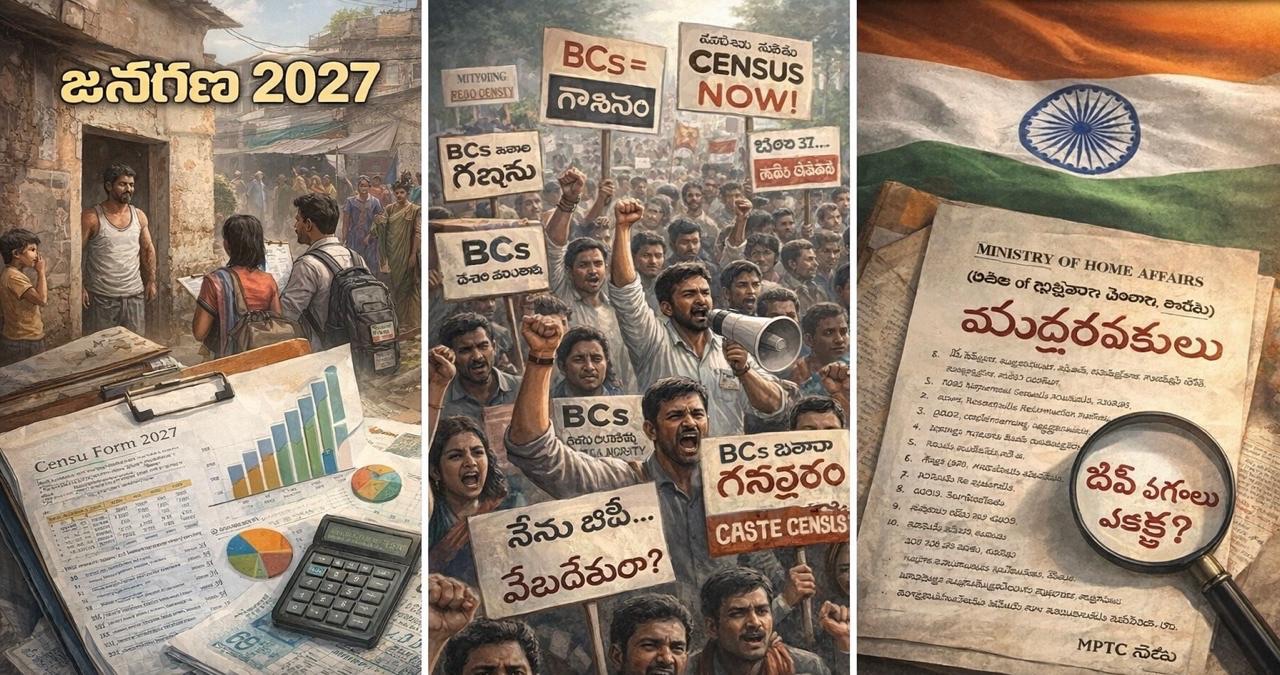
జనగణన 2027: బీసీలను “ఇతరులు”గా ముద్రవేసే కుట్ర – సామాజిక న్యాయానికి తూట్లు..
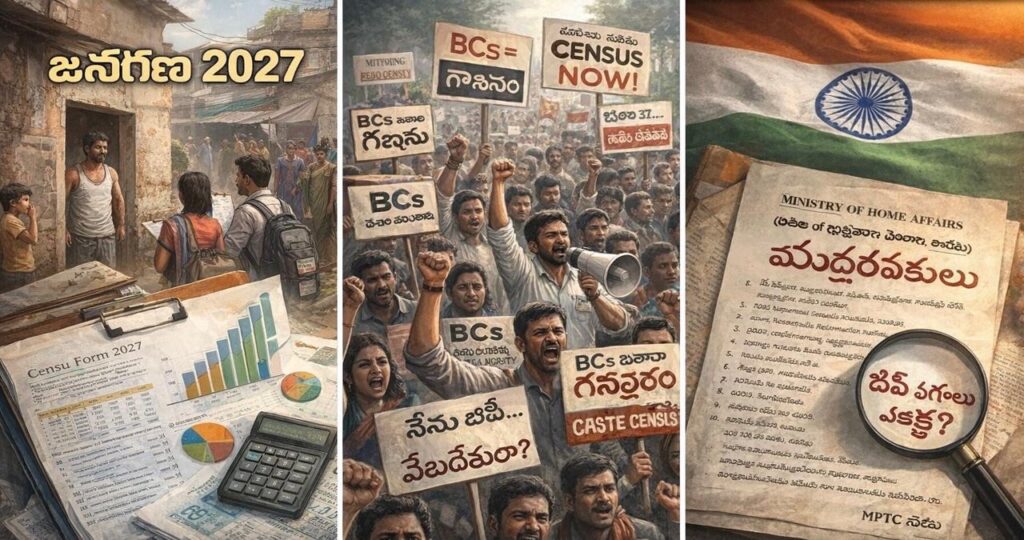
Caste Census : భారత ప్రభుత్వం జనగణన–2027కు సంబంధించిన ఇంటి లెక్కింపు నోటిఫికేషన్ను జారీ చేసింది. ఈ నోటిఫికేషన్ను పైకి చూస్తే ఇది ఒక సాధారణ పరిపాలనా ప్రక్రియగా కనిపించవచ్చు. కానీ లోతుగా పరిశీలిస్తే, ఈ పత్రం భారత సామాజిక నిర్మాణం, రాజకీయ భవిష్యత్తు, సంక్షేమ విధానాల దిశను నిర్ణయించే అత్యంత కీలక దస్తావేజుగా మారుతుంది.
ఇంటి నిర్మాణం ఏ పదార్థంతో ఉందో, కుటుంబంలో ఎన్ని గదులు ఉన్నాయో, ఇంట్లో టెలివిజన్, మొబైల్, ఇంటర్నెట్ ఉన్నాయో వంటి సూక్ష్మ విషయాల వరకూ ప్రభుత్వం ప్రశ్నిస్తోంది. కానీ అదే ప్రభుత్వం భారత సమాజంలో అతిపెద్ద వర్గమైన వెనుకబడిన తరగతుల (బీసీలు) విషయంలో మాత్రం స్పష్టమైన లెక్కలను అడగడంలో వెనుకడుగు వేస్తోంది.
ఇదే ఈ జనగణనలోని మౌలిక విరుద్ధత.
గణాంకాల ఖచ్చితత్వం – సామాజిక లెక్కల్లో నిర్లక్ష్యం
నోటిఫికేషన్లో మొత్తం 33 అంశాలు ఉన్నాయి. ఇంటి పైకప్పు పదార్థం నుంచి మొదలుకొని, వంటకు ఉపయోగించే ఇంధనం, కుటుంబం వినియోగించే ప్రధాన ధాన్యం వరకూ సమాచారం సేకరిస్తారు. ఇది ప్రభుత్వానికి ప్రజల జీవన ప్రమాణాలను అర్థం చేసుకోవడానికి ఉపయోగపడుతుంది అనడంలో ఎలాంటి సందేహం లేదు.
కానీ కుటుంబ పెద్ద SC / ST / Other వర్గానికి చెందినవారా అని మాత్రమే ప్రశ్నించడం ద్వారా ప్రభుత్వం ఒక కీలకమైన అంశాన్ని దాటవేస్తోంది. ఇక్కడ “Other” అనే ఒక్క పదంలో బీసీలను పూర్తిగా కలిపివేయడం అనేది యాదృచ్ఛిక చర్య కాదు — ఇది దశాబ్దాలుగా కొనసాగుతున్న విధానపరమైన నిర్లక్ష్యానికి కొనసాగింపే.
దేశ జనాభాలో 50 నుంచి 60 శాతం వరకు ఉన్న బీసీలకు ప్రత్యేక గణాంకాలు లేకుండా, సమాన అవకాశాలు ఎలా కల్పించగలం? ఇది సమాధానం లేని ప్రశ్న కాదు — సమాధానం తెలిసే ప్రభుత్వం మౌనం పాటిస్తున్న ప్రశ్న.
మండల్ తరువాత కూడా అర్ధసత్యమేనా?
మండల్ కమిషన్ నివేదిక వచ్చి మూడు దశాబ్దాలు గడిచాయి. అప్పట్లో బీసీలు దేశ జనాభాలో సుమారు 52 శాతం ఉంటారని అంచనా వేశారు. కానీ అది అంచనా మాత్రమే. అధికారిక కులగణన లేకపోవడం వల్ల, ఆ అంచనానే ఇప్పటికీ ఆధారంగా కొనసాగుతోంది.
27 శాతం రిజర్వేషన్తో బీసీలకు న్యాయం జరిగిపోయిందని చెప్పడం గణాంకపరంగా, సామాజికంగా అసత్యం. ఎందుకంటే:
• బీసీల జనాభా ఎంత పెరిగింది?
• ఏ వర్గాలు ఇంకా వెనుకబడి ఉన్నాయి?
• ఎవరు నిజంగా సంక్షేమానికి అర్హులు?
ఈ ప్రశ్నలకు సమాధానం చెప్పే డేటా ప్రభుత్వానికి లేదు. డేటా లేకుండా విధానాలు రూపొందించడం అంటే, చీకట్లో బాణం విసరడమే.
డిజిటల్ ఇండియా – కానీ సామాజికంగా అంధత్వం
ఈ జనగణనలో ఇంటర్నెట్, స్మార్ట్ఫోన్, ల్యాప్టాప్ వంటి అంశాలను చేర్చారు. ఇది డిజిటల్ ఇండియాపై ప్రభుత్వ ఆసక్తిని చూపుతుంది. కానీ అదే ప్రభుత్వం సామాజిక డిజిటలైజేషన్ విషయంలో మాత్రం పూర్తిగా వెనుకబడింది. స్మార్ట్ఫోన్ ఉందా అని అడిగే ప్రభుత్వం, బీసీ ఎంతమంది ఉన్నారు అని ఎందుకు అడగదు?ఇదే ఈ నోటిఫికేషన్పై దేశవ్యాప్తంగా వినిపిస్తున్న ప్రధాన ప్రశ్న.
కులగణన లేకుండా సంక్షేమం సాధ్యమా?
ప్రభుత్వ సంక్షేమ పథకాల లక్ష్యం “అవసరమైనవారికి సహాయం అందించడం”. కానీ అవసరమైనవారు ఎవరో నిర్ణయించడానికి సరైన గణాంకాలు లేకపోతే, ఆ పథకాలు కేవలం రాజకీయ ప్రకటనలుగానే మిగులుతాయి.
బీసీల్లో కూడా:
• అత్యంత వెనుకబడిన వర్గాలు (EBC)
• మద్యస్థ వర్గాలు
• కొంతమేర అభివృద్ధి చెందిన వర్గాలు ఉన్నాయి. ఈ అంతర్గత అసమానతలను గుర్తించాలంటే వర్గాల వారీ కులగణన తప్పనిసరి. లేకపోతే బలమైనవారే మళ్లీ లబ్ధి పొందుతారు; బలహీనులు ఎప్పటిలాగే పక్కకు నెట్టబడతారు.
“ఇతరులు” అనే పదంలో దాగిన రాజకీయ ఉద్దేశం
SC/STలను స్పష్టంగా గుర్తించడం రాజ్యాంగబద్ధమైన బాధ్యత. అదే సమయంలో బీసీలను “ఇతరులు”గా పిలవడం రాజ్యాంగ ఆత్మకు విరుద్ధం. ఎందుకంటే బీసీలు “ఇతరులు” కాదు — వారు ఈ దేశానికి వెన్నెముక.
వ్యవసాయం, చేతివృత్తులు, చిన్న వ్యాపారాలు, సేవా రంగాలు — వీటన్నింటిలో బీసీలే ప్రధాన శక్తి. అలాంటి వర్గాన్ని లెక్కల్లో కనిపించనివ్వకుండా చేయడం అంటే, వారి హక్కులపై ముసుగు వేసినట్లే.
రాజకీయ భయమేనా? పరిపాలనా సమస్యేనా?
ప్రభుత్వం తరచూ చెబుతున్న వాదన ఏమిటంటే — “కులగణన సామాజిక ఉద్రిక్తతలకు దారితీస్తుంది.” కానీ ఇది వాస్తవానికి దూరమైన వాదన.
నిజం ఏమిటంటే:
• కులగణన సామాజిక ఉద్రిక్తతలు సృష్టించదు
• ఉన్న అసమానతలను బయటపెడుతుంది
అసమానతలు బయటపడతాయన్న భయమే ఈ నిరాకరణకు కారణం. ఎందుకంటే ఆ లెక్కలు బయటపడితే, రిజర్వేషన్ల పునఃపరిశీలన తప్పదు. సంక్షేమ పథకాల పునర్విభజన తప్పదు. రాజకీయ లెక్కలు మారిపోతాయి.
భవిష్యత్ భారత్ – లెక్కలపై ఆధారపడే న్యాయం
భారతదేశం యువ దేశం. రాబోయే దశాబ్దాల్లో విద్య, ఉపాధి, వనరుల పంపిణీ వంటి అంశాలు మరింత క్లిష్టమవుతాయి. ఈ సవాళ్లను ఎదుర్కోవాలంటే ఖచ్చితమైన సామాజిక డేటా అత్యవసరం.
అర్ధసత్యాలపై నిర్మితమైన విధానాలు:
• అసంతృప్తిని పెంచుతాయి
• అసమానతలను లోతుగా చేస్తాయి
• ప్రజాస్వామ్యంపై నమ్మకాన్ని దెబ్బతీస్తాయి
గణాంకాలు కాదు – గౌరవం కావాలి
జనగణన 2027 కేవలం సంఖ్యల ఆట కాదు. ఇది భారత సమాజం తనను తాను అర్థం చేసుకునే అవకాశం. ఆ అవకాశాన్ని ప్రభుత్వం అర్ధాంతరంగా వదిలేస్తే, అది చారిత్రక తప్పిదంగా మిగిలిపోతుంది.
కులగణన లేకుండా జనగణన అపూర్ణమే.
బీసీల లెక్కలు లేకుండా సామాజిక న్యాయం అసాధ్యం. ఇది డిమాండ్ కాదు — ఇది రాజ్యాంగ హక్కు. ఇది రాజకీయ కోరిక కాదు ఇది ప్రజాస్వామ్య అవసరం. ఇప్పుడు నిర్ణయం ప్రభుత్వ చేతుల్లో ఉంది.
లెక్కలు మాత్రమే కావాలా?
లేదా న్యాయం కూడా కావాలా?
To get more interesting news, click the link below.
Caste Census India 2027: Numbers or Justice?
The Government of India has issued the India Census 2027 Notification for house listing operations. At first glance, it may appear to be a routine administrative exercise. However, a deeper look reveals that this document will shape India’s social structure, political future, and welfare policies for decades to come.
The census seeks detailed information—ranging from the material used to build a house, the number of rooms, and access to television, mobile phones, and the internet. These aspects align with the broader goals of a Socio Economic Census India, helping the government assess living standards.
Yet, a critical gap stands out.
While the government is collecting micro-level household data, it is avoiding precise enumeration of one of the largest sections of Indian society—the Backward Classes. This raises serious concerns about BC Population Census India and the absence of reliable Backward Classes Data India.
Accurate Data, Selective Silence
The notification includes 33 data points, covering everything from roofing materials to cooking fuel and food consumption. However, when it comes to social identity, it only asks whether a household belongs to SC, ST, or “Other.”
This single category of “Other” effectively subsumes the entire OBC population, ignoring the long-standing OBC Census Demand India. This is not accidental—it reflects a continued policy neglect.
With OBCs estimated to form 50–60% of India’s population, how can equitable policies be designed without precise data? This question lies at the heart of the ongoing Caste Enumeration India Debate.
Mandal Legacy and Missing Data
More than three decades have passed since the Mandal Commission, which provided the foundational Mandal Commission OBC Data estimating OBCs at around 52% of the population. However, this remains an estimate, not an official count.
Despite this, policies like reservations continue to rely on outdated assumptions. The current OBC Reservation India Statistics are not backed by updated demographic data.
Key questions remain unanswered:
- What is the current OBC Population Percentage India?
- Which communities remain most backward?
- Who truly benefits from welfare schemes?
Without updated data, policymaking becomes guesswork—essentially governance in the dark.
Digital India vs Social Inequality
The inclusion of data points like internet access, smartphones, and laptops highlights the government’s focus on modernization. But this creates a paradox—Digital India vs Social Inequality.
Why does a government that tracks digital access fail to measure social realities? Why ask about smartphones but not about caste-based disparities?
This contradiction is central to the criticism of the Census Without Caste Data approach.
Can Welfare Exist Without Data?
The goal of welfare policies is to reach those in need. However, without accurate data, BC Welfare Policies India risk becoming symbolic rather than effective.
Within OBCs themselves, there are deep internal inequalities:
- Extremely Backward Classes (EBC)
- Intermediate groups
- Relatively advanced sections
Without detailed caste enumeration, these differences remain invisible. As a result, stronger groups continue to benefit, while the most marginalized remain excluded.
The Politics of “Other”
Recognizing SC/ST categories is a constitutional obligation. But grouping OBCs under “Other” contradicts the spirit of social justice.
Backward Classes are not “others”—they are the backbone of India’s economy, contributing significantly to agriculture, traditional occupations, small businesses, and services.
Erasing them statistically is equivalent to denying them visibility and rights.
Fear or Governance Challenge?
The common argument against caste enumeration is that it may trigger social tensions. However, this claim does not hold up under scrutiny.
The reality is:
- A caste census does not create inequality
- It reveals existing inequality
The reluctance may stem from fear—because once real numbers emerge, policy changes will become unavoidable. Reservation structures, welfare allocations, and political strategies may all need reassessment.
Future India Needs Data-Driven Justice
India is a young and rapidly evolving nation. Issues like education, employment, and resource distribution will become increasingly complex.
Without accurate Indian Social Inequality Statistics, policymaking risks deepening disparities rather than resolving them.
Policies based on partial truths:
- Increase dissatisfaction
- Deepen inequality
- Undermine trust in democracy
Not Just Numbers—It’s About Justice
The 2027 Census is not just about counting people; it is an opportunity for India to understand itself. Ignoring caste data would make it an incomplete exercise.
A true Social Justice Census India must include comprehensive caste enumeration.
Without it, equality remains a promise, not a reality.
This is not merely a political demand—it is a constitutional necessity and a democratic imperative.
The Real Question
Do we want just numbers?
Or do we want justice?
Satya Telangana is a Telugu daily newspaper delivering the latest news and updates.